
Floral scent
The aroma released by flowers to attract pollinators and signal other plants
Floral scent is the mix of aroma compounds that flowers release into the air. These scents help attract pollinators like insects and bats, and also serve to deter some plant-eating animals. Each flower species has its own blend of scent chemicals, which can be highly specific and complex.
- Floral scent is made up of many volatile organic compounds (VOCs).
- It helps flowers attract pollinators and deter some herbivores.
- Each plant species has its own unique scent blend.
- Scent strength and composition can change during the day and after pollination.
What is Floral scent?
Floral scent is the collection of volatile organic compounds (VOCs) that flowers release from their petals and other tissues. These scents can be made up of dozens or even hundreds of different chemicals, and each plant species has its own unique blend. The scent is usually strongest when the flower is ready for pollination. Insects, bats, and other animals detect these scents using specialized receptors, allowing them to find and recognize flowers. The scent can be subtle or strong, and its composition changes as the flower ages or after pollination.
Where does Floral scent come from?
Floral scent comes from the natural chemicals that flowers produce and release into the air. These chemicals have evolved mainly to attract pollinators, such as bees or moths, and to deter animals that might eat the plant. The mix of scent compounds is highly specific to each species, and even individual flowers can have slightly different scents. Over time, plants have developed these scents as a way to communicate with both animals and other plants, helping them survive and reproduce.
How Floral scent is made
Flowers produce their scent by creating volatile organic compounds through different chemical pathways inside their cells. The main groups of these compounds are terpenoids, fatty acid derivatives, and aromatic compounds. The amount and type of scent released can change during the day, often peaking when pollinators are most active. Environmental factors like temperature and plant health also affect how much scent is produced. Scientists collect and analyze these scents using special techniques such as gas chromatography.

When and where Floral scent is used
Floral scent is mainly used by plants to attract pollinators and to signal to other plants. Animals like insects and bats use these scents to find flowers that offer nectar or pollen. The scent also helps some plants deter herbivores or warn neighboring plants of threats. In some cases, the scent changes after pollination to signal that the flower no longer needs to be visited. People have studied and used floral scents in perfumes and for scientific research.
Forms of Floral scent
The composition of floral scent varies widely between plant species and even among individual plants. Some flowers release scent only at certain times of day, while others change their scent after pollination. The main chemical groups—terpenoids, fatty acid derivatives, and aromatic compounds—can be present in different amounts and combinations. Orchids, for example, may stop producing scent immediately after pollination.
What Floral scent means
Floral scent plays a key role in how people experience flowers, and it has long been valued in making perfumes and fragrances. Scientists study floral scents to understand how plants interact with pollinators and their environment. The scent of flowers is also important in cultural practices, though the article does not mention specific traditions or symbolic meanings.
Questions people ask about Floral scent
What is floral scent made of?
Floral scent is made up of volatile organic compounds (VOCs) that flowers release into the air. These compounds can include terpenoids, fatty acid derivatives, and aromatic compounds, and each flower species has its own unique mix.
Why do flowers produce scent?
Flowers produce scent mainly to attract pollinators such as insects and bats. The scent can also help deter herbivores and signal to other plants about their environment or readiness for pollination.
How do animals detect floral scent?
Animals like insects and bats detect floral scents using specialized chemoreceptors. These allow them to recognize, locate, and choose flowers based on the specific blend of scent compounds each flower emits.
Does the scent of a flower change over time?
Yes, the scent of a flower can change throughout the day and after pollination. Emissions are often strongest when pollinators are active and may decrease or change once the flower has been pollinated.
How do scientists study floral scent?
Scientists collect floral scent compounds using adsorbent materials and analyze them with techniques like gas chromatography and mass spectrometry to identify and measure the different chemicals present.
Good reading and sources
The facts on this page come from the Wikipedia article "Floral scent", written by its contributors and used under the CC BY-SA 4.0 licence, and from its Wikidata record (CC0). Phool rewrote the text in its own words, with AI assistance, and compares every page with the article to make sure no passage is copied. It may be reused under the same CC BY-SA 4.0 licence with a link back.
It may contain mistakes. If something is wrong, tell us. Last refreshed 2026-10-03.
More of the same kind
 Decoration
Bonsai盆栽
The Japanese art of shaping miniature trees in shallow pots
🇯🇵 Japan and 7 more · Art or design
Decoration
Bonsai盆栽
The Japanese art of shaping miniature trees in shallow pots
🇯🇵 Japan and 7 more · Art or design
 Decoration
Tokonoma床の間
A Japanese alcove for displaying scrolls and flower arrangements
🇯🇵 Japan · Arrangement
Decoration
Tokonoma床の間
A Japanese alcove for displaying scrolls and flower arrangements
🇯🇵 Japan · Arrangement
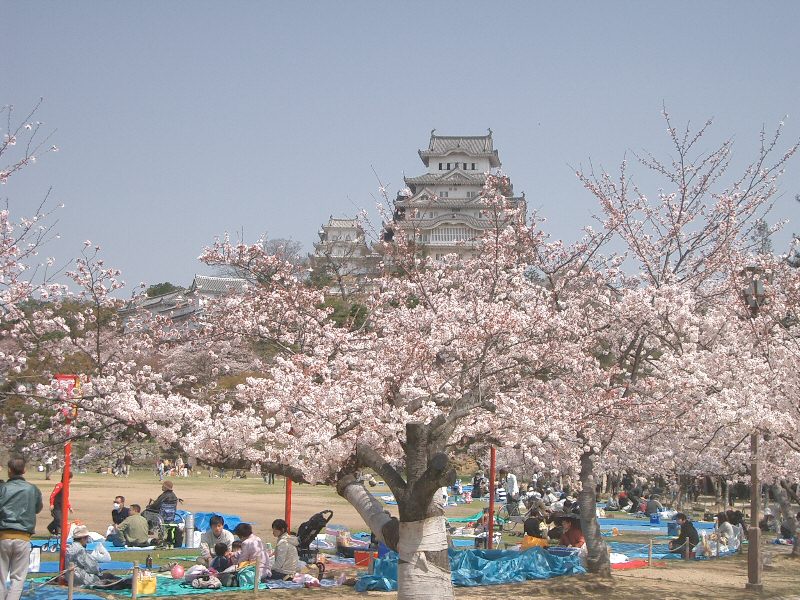 Decoration
Hanami花見
The Japanese tradition of gathering to enjoy cherry blossoms in spring
🇯🇵 Japan and 7 more · Custom, Jan to May
Decoration
Hanami花見
The Japanese tradition of gathering to enjoy cherry blossoms in spring
🇯🇵 Japan and 7 more · Custom, Jan to May
 Decoration
Sōgetsu草月流
A modern school of Japanese ikebana open to all materials and styles
🇯🇵 Japan · Arrangement
Decoration
Sōgetsu草月流
A modern school of Japanese ikebana open to all materials and styles
🇯🇵 Japan · Arrangement