
Floralia
Ancient Roman spring festival for the goddess Flora, marked by games and floral rites
Floralia was a Roman festival held in late April and early May to honor Flora, the goddess of flowers and fertility. The celebration included games, theatrical shows, colorful clothing, and rituals with flowers, animals, and legumes, reflecting themes of renewal and abundance.
- Held in Rome from late April to early May for six days
- Honored Flora, the goddess of flowers and fertility
- Featured games, theater, and circus events
- Participants wore colorful garments and released hares and goats
- Legumes like beans and vetches were scattered as fertility symbols
What is Floralia?
Floralia was a lively festival in ancient Rome, celebrated with games, performances, and rituals dedicated to Flora, the goddess of flowers and fertility. People wore multi-colored garments, and the festivities included the release of hares and goats, scattering of legumes, and offerings of flowers and wheat. The atmosphere was playful and open, with both theatrical and circus events, and sometimes included nocturnal celebrations lit by lamps.
Where does Floralia come from?
The festival began in the Roman Republic, with its origins tied to the worship of Flora, one of Rome’s oldest goddesses. Flora had her own high priest and temples, including one near the Circus Maximus, established after a drought in the 3rd century BCE. The Floralia became an annual event from 173 BCE, following crop failures. The games were organized by plebeian officials and funded by fines from encroachments on public land.
How Floralia is made
Floralia took place from late April to early May, beginning with theatrical performances and ending with circus games and a sacrifice to Flora. Rituals included releasing fertile animals and scattering beans and other legumes among the crowd. Participants wore bright, multi-colored clothes, and some rites involved carrying wheat ears into a shrine. The festival was known for its open, festive spirit and sometimes included night-time gatherings.


When and where Floralia is used
The festival was attended by a broad section of Roman society, including plebeians and prostitutes, who took part in dances and mock gladiator contests. Offerings of flowers and agricultural produce were made to Flora, and the festival celebrated fertility, renewal, and the coming of spring. Theatrical and circus events, as well as communal feasting and revelry, were central to the observance.
Forms of Floralia
Floralia was distinct from other Roman festivals like the Cerealia and Rosalia, with its focus on colorful dress and fertility symbols. Related rites such as the Florifertum involved offerings of wheat, though details varied and sometimes overlapped with other deities’ celebrations. Flora was also honored in rural temples and by different priesthoods.
What Floralia means
Floralia symbolized renewal, fertility, and the pleasures of spring. Its inclusive atmosphere set it apart from more formal Roman festivals. The goddess Flora was central to Roman ideas about growth and abundance, and the festival’s customs reflected a society attuned to the cycles of nature. The event is remembered for its vibrant, permissive spirit and its celebration of life’s renewal.
Questions people ask about Floralia
What is Floralia?
Floralia was an ancient Roman festival held in honor of Flora, the goddess of flowers and fertility. It featured games, performances, and rituals celebrating spring and renewal.
When and where was Floralia celebrated?
Floralia took place in Rome, usually from April 28 to May 3, with festivities centered around temples dedicated to Flora, especially near the Circus Maximus.
What happened during the Floralia festival?
The festival included theatrical shows, circus games, the release of hares and goats, scattering of legumes, and wearing of colorful clothes. It was known for its lively and open atmosphere.
Who participated in Floralia?
Floralia was attended by plebeians and included the participation of prostitutes, who danced and took part in mock gladiator contests, reflecting the festival’s inclusive and festive nature.
What did Floralia symbolize?
Floralia symbolized fertility, renewal, and the pleasures of spring, honoring the goddess Flora and celebrating the abundance and growth of the season.
Good reading and sources
The facts on this page come from the Wikipedia article "Floralia", written by its contributors and used under the CC BY-SA 4.0 licence, and from its Wikidata record (CC0). Phool rewrote the text in its own words, with AI assistance, and compares every page with the article to make sure no passage is copied. It may be reused under the same CC BY-SA 4.0 licence with a link back.
It may contain mistakes. If something is wrong, tell us. Last refreshed 2026-10-03.
More of the same kind
 Decoration
Bonsai盆栽
The Japanese art of shaping miniature trees in shallow pots
🇯🇵 Japan and 7 more · Art or design
Decoration
Bonsai盆栽
The Japanese art of shaping miniature trees in shallow pots
🇯🇵 Japan and 7 more · Art or design
 Decoration
Tokonoma床の間
A Japanese alcove for displaying scrolls and flower arrangements
🇯🇵 Japan · Arrangement
Decoration
Tokonoma床の間
A Japanese alcove for displaying scrolls and flower arrangements
🇯🇵 Japan · Arrangement
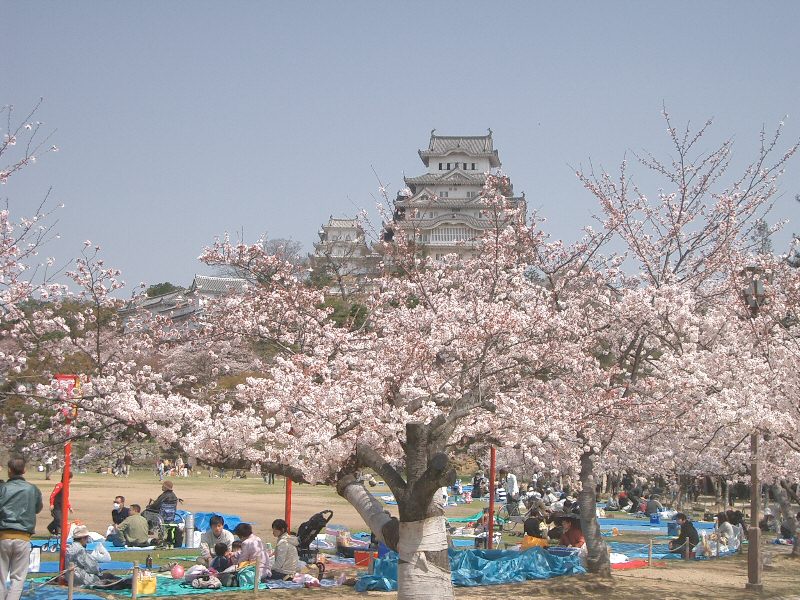 Decoration
Hanami花見
The Japanese tradition of gathering to enjoy cherry blossoms in spring
🇯🇵 Japan and 7 more · Custom, Jan to May
Decoration
Hanami花見
The Japanese tradition of gathering to enjoy cherry blossoms in spring
🇯🇵 Japan and 7 more · Custom, Jan to May
 Decoration
Sōgetsu草月流
A modern school of Japanese ikebana open to all materials and styles
🇯🇵 Japan · Arrangement
Decoration
Sōgetsu草月流
A modern school of Japanese ikebana open to all materials and styles
🇯🇵 Japan · Arrangement