
Flower Sermon
In its own language: 拈花微笑
A Zen Buddhist story of silent teaching with a single flower
The Flower Sermon is a Chan and Zen Buddhist story where the Buddha silently holds up a flower before his disciples. Only Mahākāśyapa responds with a smile, marking the wordless transmission of wisdom and the origins of Zen’s direct teaching.
- The Buddha held up a single white flower in silence.
- Only Mahākāśyapa smiled, showing his understanding.
- The story is central to Zen Buddhism’s teaching style.
- Earliest written version appeared in 1036 in China.
What is Flower Sermon?
The Flower Sermon is not a physical arrangement but a story central to Zen Buddhism. In this account, the Buddha stands before his followers and lifts a single white flower. The act is silent and simple, with no words spoken. Among all present, only Mahākāśyapa understands the gesture and responds with a smile. This moment is seen as the Buddha passing on wisdom directly, without speech or scripture.
Where does Flower Sermon come from?
The story comes from Chinese Chan Buddhist tradition and is known in Chinese as Niān huā wéi xiào, meaning 'Picking up a flower and smiling.' The earliest known written version dates to 1036. It is considered a founding story for Zen (Chan) Buddhism, showing how teaching can happen without words. The tale is included in classic Zen collections and has shaped how Zen values direct experience.
How Flower Sermon is made
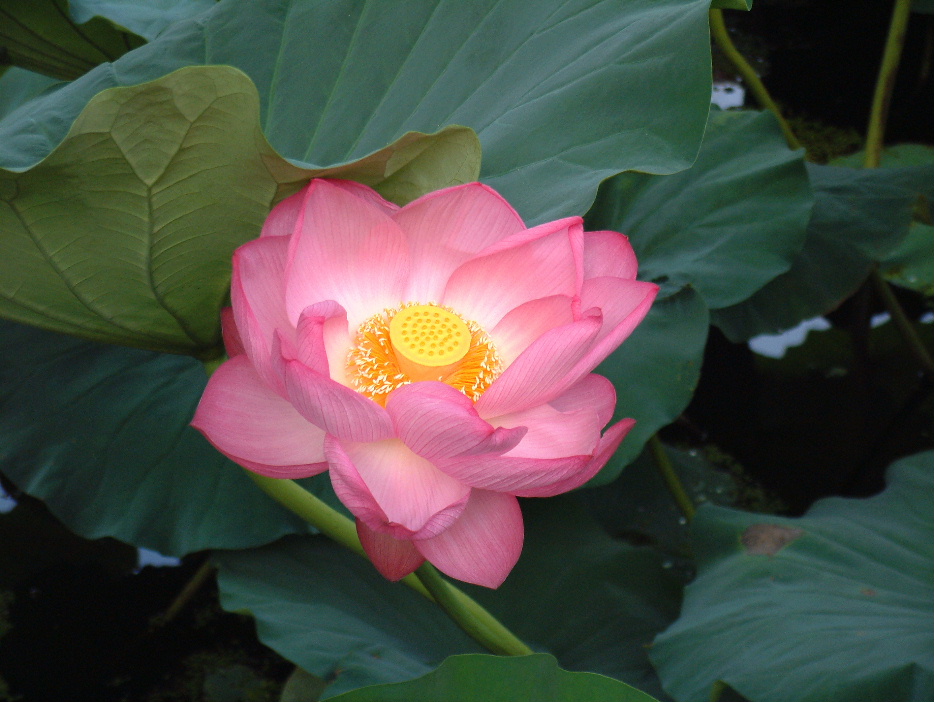
The story describes the Buddha holding up a white flower in front of his disciples. There is no ritual or physical object made; the focus is on the silent act itself. The white flower is not specified by species, only by its color and the gesture of being held up. The meaning is found in the shared moment rather than in any arrangement or offering.

When and where Flower Sermon is used
This story is recounted in Zen and Chan Buddhist teaching to illustrate the idea of direct, wordless transmission of insight. It is not tied to a specific festival or ceremony but is referenced in teachings, sermons, and koan practice. The Flower Sermon is used to explain the value of understanding that goes beyond words.
Forms of Flower Sermon
The Flower Sermon appears in various Zen texts, most notably as a case in the koan collection The Gateless Barrier. While the core story remains the same, some retellings may differ in detail or emphasis. The central figures and the silent gesture are consistent across versions.
What Flower Sermon means
Within Zen Buddhism, the Flower Sermon stands for the idea that true understanding can be passed directly from teacher to student, without reliance on language. It marks Mahākāśyapa as the first to receive this silent transmission, a key moment in Zen lineage. The story is often cited to highlight the ineffable nature of enlightenment.
Questions people ask about Flower Sermon
What is the Flower Sermon?
It is a Zen Buddhist story where the Buddha silently holds up a white flower before his disciples. Only Mahākāśyapa understands and smiles, symbolizing the direct transmission of wisdom without words.
Where does the Flower Sermon come from?
The story comes from Chinese Chan Buddhist tradition, with the earliest known written version dating to 1036. It is known in Chinese as Niān huā wéi xiào.
What does the Flower Sermon mean in Zen Buddhism?
It represents the idea that true understanding or enlightenment can be passed directly from teacher to student without words, emphasizing experience over scripture.
Is the Flower Sermon connected to any specific flower?
The story only mentions a white flower, without naming a particular species. The focus is on the gesture rather than the flower itself.
Good reading and sources
The facts on this page come from the Wikipedia article "Flower Sermon", written by its contributors and used under the CC BY-SA 4.0 licence, and from its Wikidata record (CC0). Phool rewrote the text in its own words, with AI assistance, and compares every page with the article to make sure no passage is copied. It may be reused under the same CC BY-SA 4.0 licence with a link back.
It may contain mistakes. If something is wrong, tell us. Last refreshed 2026-10-03.
More of the same kind
 Decoration
Bonsai盆栽
The Japanese art of shaping miniature trees in shallow pots
🇯🇵 Japan and 7 more · Art or design
Decoration
Bonsai盆栽
The Japanese art of shaping miniature trees in shallow pots
🇯🇵 Japan and 7 more · Art or design
 Decoration
Tokonoma床の間
A Japanese alcove for displaying scrolls and flower arrangements
🇯🇵 Japan · Arrangement
Decoration
Tokonoma床の間
A Japanese alcove for displaying scrolls and flower arrangements
🇯🇵 Japan · Arrangement
 Decoration
Hanami花見
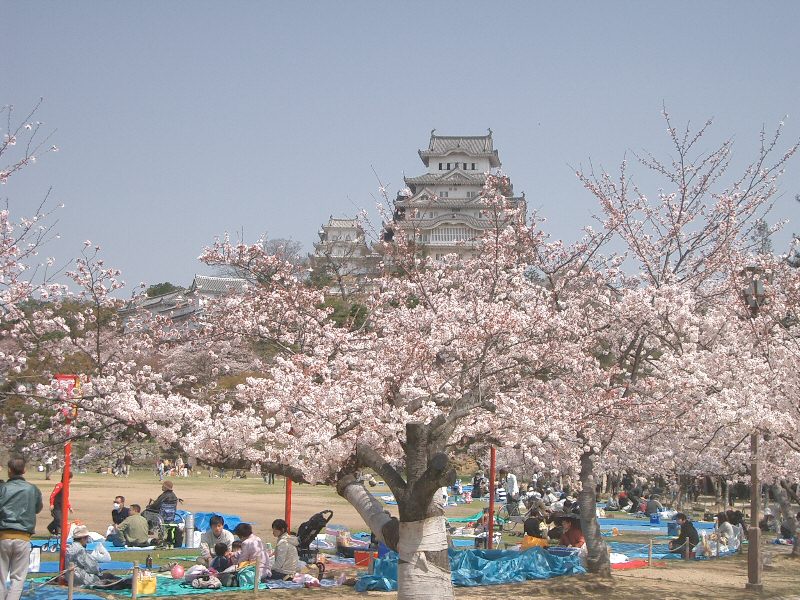
The Japanese tradition of gathering to enjoy cherry blossoms in spring
🇯🇵 Japan and 7 more · Custom, Jan to May
Decoration
Hanami花見
The Japanese tradition of gathering to enjoy cherry blossoms in spring
🇯🇵 Japan and 7 more · Custom, Jan to May
 Decoration
Sōgetsu草月流
A modern school of Japanese ikebana open to all materials and styles
🇯🇵 Japan · Arrangement
Decoration
Sōgetsu草月流
A modern school of Japanese ikebana open to all materials and styles
🇯🇵 Japan · Arrangement