
Garden design
The art and planning of garden layout, planting, and features
Garden design is the planning and creation of gardens, shaping both their layout and the choice of plants and features. It blends practical needs, aesthetic ideas, and knowledge of plants to make spaces for enjoyment, beauty, or utility in many cultures and climates.
- Garden design plans both plantings and built features like paths and walls
- Styles range from formal symmetry to naturalistic layouts
- Soil, sunlight, and climate shape what plants can be used
- Persian, Japanese, and European traditions have influenced designs worldwide
What is Garden design?
Garden design is the process of planning how a garden will look and function. It involves deciding on the layout of paths, lawns, walls, water features, and places to sit, as well as choosing which plants to grow and where to put them. Designers consider the needs of the people who will use the garden, the style they want, and how the garden fits with its surroundings. The design also takes into account practical matters like soil, sunlight, and how much care the garden will need.
Where does Garden design come from?
The roots of garden design stretch back to ancient times. Persian gardens, divided into four parts with water as a key feature, are among the earliest known examples and influenced later Islamic and Mughal gardens. In Europe, medieval gardens often mixed herbs, vegetables, and flowers, but purely decorative planting became common in the Renaissance. Asian traditions, such as Chinese and Japanese gardens, developed naturalistic and asymmetrical styles. Over time, garden design has evolved in many regions, reflecting local climate, culture, and ideas about beauty and use.
How Garden design is made
A garden design starts with a plan, which may be drawn up by a professional or the garden owner. The plan sets out the layout of hard features like paths and walls, and the arrangement of plants. Soil is often improved with compost or other materials before planting. The choice of plants depends on the climate, soil, and the look or function wanted. Maintenance needs, such as how much time or money can be spent on care, also shape the design.


When and where Garden design is used
Garden design is used by homeowners, public parks, and institutions to create spaces for relaxation, beauty, or growing food and flowers. It can be formal or informal, modern or traditional, and may reflect cultural or historical styles. Some gardens are designed for private enjoyment, while others are open to the public. The design process helps ensure that gardens meet the needs of their users and suit their setting.
Forms of Garden design
There are many styles of garden design. Persian and Islamic gardens use water and symmetry. Japanese and Chinese gardens favor natural forms and asymmetry. European gardens range from the geometric layouts of the Italian Renaissance to the informal English landscape garden. Mediterranean, Mughal, and Moorish gardens each have their own traditions. Modern garden design may blend these influences or create new styles.
What Garden design means
Garden design is closely tied to culture and history. In some regions, gardens reflect religious or philosophical ideas, such as the symbolism in Persian or Japanese gardens. Famous gardens, like those at the Taj Mahal or the Alhambra, are celebrated for their design. The art of garden design has shaped public parks, private homes, and historic sites, and continues to evolve with new ideas and needs.
Questions people ask about Garden design
What is garden design?
Garden design is the art and process of planning the layout, planting, and features of a garden. It combines practical needs with aesthetic choices to create spaces for enjoyment, beauty, or utility.
Where did garden design originate?
Garden design has ancient roots, with Persian gardens among the earliest known examples. Traditions also developed in China, Japan, and Europe, each with their own styles and influences.
What are the main elements of garden design?
Key elements include the layout of paths, walls, water features, sitting areas, and the selection and arrangement of plants. Soil, sunlight, and maintenance needs are also important considerations.
What styles of garden design exist?
Styles include formal geometric gardens, naturalistic layouts, and region-specific traditions like Persian, Mughal, Japanese, and Mediterranean gardens.
Who uses garden design?
Garden design is used by homeowners, professionals, and public institutions to create gardens for private or public enjoyment, reflecting local culture, climate, and personal taste.
Good reading and sources
- Garden design on WikipediaEncyclopedia
- More photos on Wikimedia CommonsPhotos
- Wikidata recordOpen data
The facts on this page come from the Wikipedia article "Garden design", written by its contributors and used under the CC BY-SA 4.0 licence, and from its Wikidata record (CC0). Phool rewrote the text in its own words, with AI assistance, and compares every page with the article to make sure no passage is copied. It may be reused under the same CC BY-SA 4.0 licence with a link back.
It may contain mistakes. If something is wrong, tell us. Last refreshed 2026-10-03.
More of the same kind
 Decoration
Islamic garden
A walled garden of water, shade and scent inspired by paradise
🇮🇷 Iran and 5 more · Garden style
Decoration
Islamic garden
A walled garden of water, shade and scent inspired by paradise
🇮🇷 Iran and 5 more · Garden style
 Decoration
Mughal garden
A formal garden style of pools, canals, and symmetry from the Mughal era
🇮🇳 India and 3 more · Garden style
Decoration
Mughal garden
A formal garden style of pools, canals, and symmetry from the Mughal era
🇮🇳 India and 3 more · Garden style
 Decoration
Trellis
An open lattice framework for supporting climbing plants
Garden style
Decoration
Trellis
An open lattice framework for supporting climbing plants
Garden style
 Decoration
Korean garden
A natural garden style shaped by rocks, ponds, and harmony with the land
🇰🇷 South Korea and 5 more · Garden style
Decoration
Korean garden
A natural garden style shaped by rocks, ponds, and harmony with the land
🇰🇷 South Korea and 5 more · Garden style
More from Japan
All the flowers of Japan Decoration
Bonsai盆栽
The Japanese art of shaping miniature trees in shallow pots
🇯🇵 Japan and 7 more · Art or design
Decoration
Bonsai盆栽
The Japanese art of shaping miniature trees in shallow pots
🇯🇵 Japan and 7 more · Art or design
 Decoration
Tokonoma床の間
A Japanese alcove for displaying scrolls and flower arrangements
🇯🇵 Japan · Arrangement
Decoration
Tokonoma床の間
A Japanese alcove for displaying scrolls and flower arrangements
🇯🇵 Japan · Arrangement
 Decoration
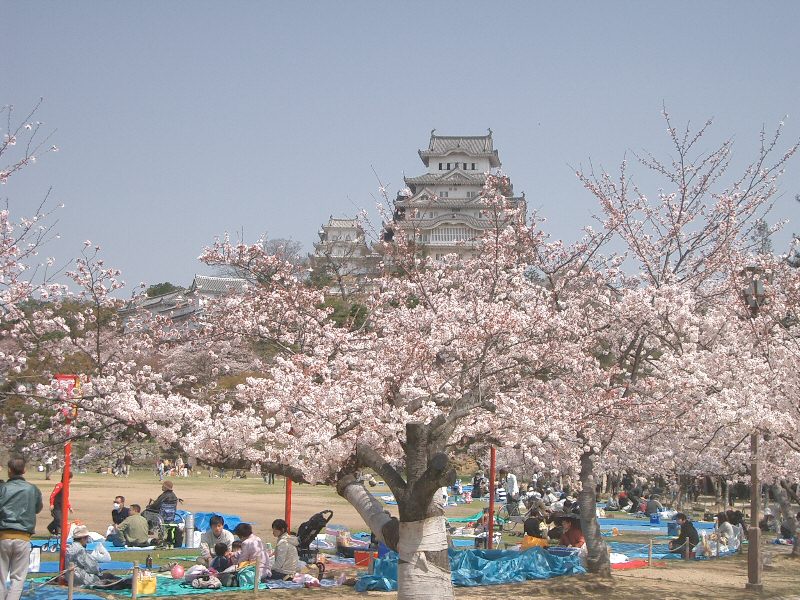
Hanami花見
The Japanese tradition of gathering to enjoy cherry blossoms in spring
🇯🇵 Japan and 7 more · Custom, Jan to May
Decoration
Hanami花見
The Japanese tradition of gathering to enjoy cherry blossoms in spring
🇯🇵 Japan and 7 more · Custom, Jan to May
 Decoration
Sōgetsu草月流
A modern school of Japanese ikebana open to all materials and styles
🇯🇵 Japan · Arrangement
Decoration
Sōgetsu草月流
A modern school of Japanese ikebana open to all materials and styles
🇯🇵 Japan · Arrangement