
Harvest festival
A yearly celebration marking the end of the harvest with feasts and decorations
A harvest festival is an annual event held at the end of the main crop harvest, celebrated in many cultures with feasts, songs, and decorations using produce and flowers. Traditions include sharing food, decorating with fruits and grains, and community gatherings, with customs varying by region and faith.
- Harvest festivals are held at the end of the main crop harvest.
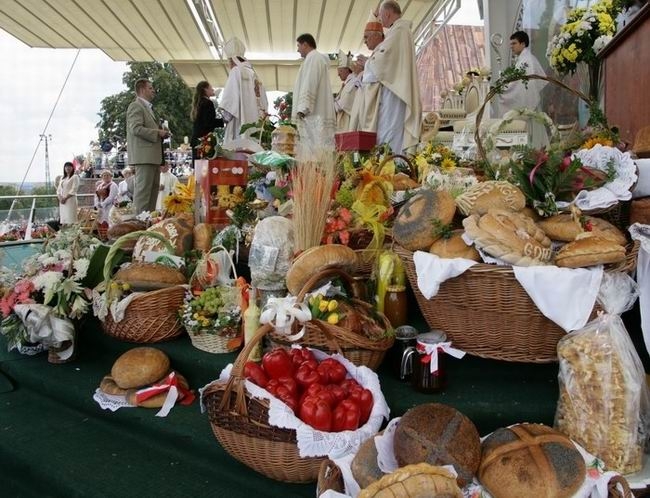
- Decorations include baskets of fruit, grains, and sometimes flowers.
- In Britain, churches are decorated and food is shared with the needy.
- Sukkot, Onam, and Irreecha are major harvest festivals in other cultures.
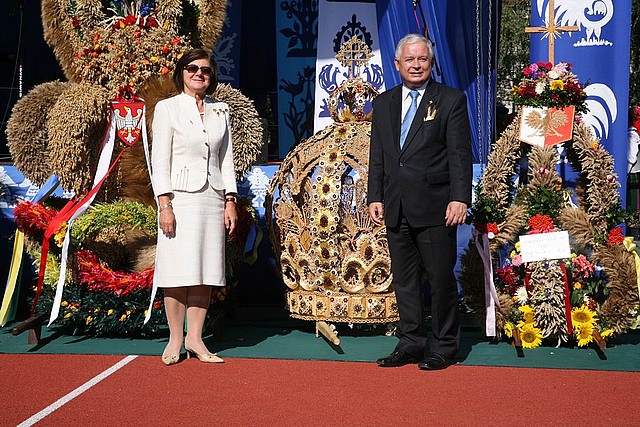
- The corn dolly is a traditional symbol made from the last sheaf.
What is Harvest festival?
A harvest festival is a community celebration held at the close of the main crop harvest. People gather for feasts, decorate spaces with baskets of fruit, vegetables, grains, and sometimes flowers. Churches, homes, and public spaces may be adorned with produce displays. In some places, special breads or cakes are made from the new grain, and symbolic items like corn dollies are crafted from the last sheaf. Singing, prayers, and games often accompany the festivities.
Where does Harvest festival come from?
Harvest festivals have ancient roots, with customs shaped by local crops and beliefs. In Britain, giving thanks for the harvest dates back to pagan times, and traditions evolved through the centuries. Early English settlers brought these customs to North America, inspiring Thanksgiving. In Ethiopia, Irreecha marks the end of the rainy season and the start of harvest. In Iran, Mehrgan was celebrated with gifts and feasts. Many Asian and Jewish communities also hold harvest festivals, each with unique rituals.
How Harvest festival is made
Preparations begin as the harvest nears completion. People gather fruits, grains, and vegetables from fields, gardens, or allotments. These are arranged in baskets or displays, often in churches or community halls. In some traditions, a corn dolly is woven from the last sheaf. The harvest feast is prepared using fresh produce, and special breads or cakes may be baked. Decorations can include garlands of flowers and ribbons, especially on the last cartload brought in from the fields.

When and where Harvest festival is used
Harvest festivals are held in late summer or autumn, timed to local harvests. Communities come together to share meals, give thanks, and support those in need by distributing food. In churches, produce is offered and sometimes donated to charity. In Jewish tradition, Sukkot involves building and living in a sukkah. In India, various harvest festivals are tied to regional crops and seasons. The festival fosters gratitude, generosity, and community spirit.
Forms of Harvest festival
Different regions and cultures have their own forms of harvest festivals. In Britain, names like Lammas, Mell-supper, and Horkey reflect local customs. In Ethiopia, Irreecha is a thanksgiving celebration. Iran’s Mehrgan was marked by royal gatherings. India has Makar Sankranti, Pongal, and Onam, each with distinct rituals. Jewish communities celebrate Sukkot by building temporary huts. Decorations, foods, and timing vary widely according to tradition.
What Harvest festival means
Harvest festivals symbolize gratitude for a successful crop and hope for the future. They often blend religious and secular elements, with hymns, prayers, and offerings. The corn dolly and decorated carts are traditional symbols in Britain. In modern times, the festival also highlights global concerns about food security and charity. Harvest festivals are a time for community, remembrance, and sharing, and remain important in many cultures worldwide.
Days and festivals
Questions people ask about Harvest festival
What is a harvest festival?
A harvest festival is an annual celebration marking the end of the main crop harvest. It features feasts, decorations with produce and flowers, and community gatherings to give thanks and share food.
Where do harvest festivals come from?
Harvest festivals have ancient origins and are found worldwide. They developed from local customs of giving thanks for the harvest, with traditions shaped by climate, crops, and religious beliefs.
What happens at a harvest festival?
People gather for meals, decorate with fruits, grains, and flowers, sing songs, and offer prayers. Food is often shared with the community or given to charity, and symbolic items like corn dollies may be made.
Which countries celebrate harvest festivals?
Many countries celebrate harvest festivals, including the United Kingdom, India, Ethiopia, Iran, Israel, and Canada. Each has its own customs and timing based on local harvests.
What do harvest festivals symbolize?
They symbolize gratitude for a successful harvest, community spirit, and hope for the future. In some cultures, they also have religious significance and involve offerings or prayers.
Good reading and sources
- Harvest festival on WikipediaEncyclopedia
- More photos on Wikimedia CommonsPhotos
- Wikidata recordOpen data
The facts on this page come from the Wikipedia article "Harvest festival", written by its contributors and used under the CC BY-SA 4.0 licence, and from its Wikidata record (CC0). Phool rewrote the text in its own words, with AI assistance, and compares every page with the article to make sure no passage is copied. It may be reused under the same CC BY-SA 4.0 licence with a link back.
It may contain mistakes. If something is wrong, tell us. Last refreshed 2026-10-03.
More of the same kind
 Decoration
Bonsai盆栽
The Japanese art of shaping miniature trees in shallow pots
🇯🇵 Japan and 7 more · Art or design
Decoration
Bonsai盆栽
The Japanese art of shaping miniature trees in shallow pots
🇯🇵 Japan and 7 more · Art or design
 Decoration
Tokonoma床の間
A Japanese alcove for displaying scrolls and flower arrangements
🇯🇵 Japan · Arrangement
Decoration
Tokonoma床の間
A Japanese alcove for displaying scrolls and flower arrangements
🇯🇵 Japan · Arrangement
 Decoration
Hanami花見
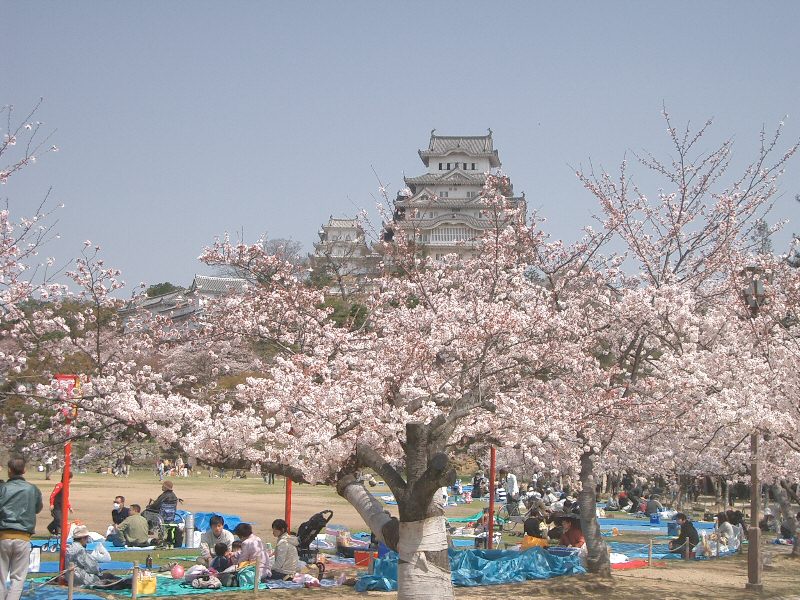
The Japanese tradition of gathering to enjoy cherry blossoms in spring
🇯🇵 Japan and 7 more · Custom, Jan to May
Decoration
Hanami花見
The Japanese tradition of gathering to enjoy cherry blossoms in spring
🇯🇵 Japan and 7 more · Custom, Jan to May
 Decoration
Sōgetsu草月流
A modern school of Japanese ikebana open to all materials and styles
🇯🇵 Japan · Arrangement
Decoration
Sōgetsu草月流
A modern school of Japanese ikebana open to all materials and styles
🇯🇵 Japan · Arrangement
More from India
All the flowers of India Decoration
Varamalaवरमाला
A flower garland exchanged by bride and groom in Hindu weddings
🇮🇳 India · Garland or wreath
Decoration
Varamalaवरमाला
A flower garland exchanged by bride and groom in Hindu weddings
🇮🇳 India · Garland or wreath
 Decoration
Rangoliरंगोली
Indian floor art made with coloured powders, rice, or petals for festivals and daily welcome
🇮🇳 India and 1 more · Carpet or floor pattern
Decoration
Rangoliरंगोली
Indian floor art made with coloured powders, rice, or petals for festivals and daily welcome
🇮🇳 India and 1 more · Carpet or floor pattern
 Decoration
Onam
Kerala’s ten-day harvest festival with flower carpets, feasts and boat races
🇮🇳 India and 1 more · Custom, Aug to Sep
Decoration
Onam
Kerala’s ten-day harvest festival with flower carpets, feasts and boat races
🇮🇳 India and 1 more · Custom, Aug to Sep
 Decoration
Garland
A string or braid of flowers, leaves, or other materials for decoration or ceremony
🇮🇳 India and 3 more · Garland or wreath
Decoration
Garland
A string or braid of flowers, leaves, or other materials for decoration or ceremony
🇮🇳 India and 3 more · Garland or wreath