
Dry landscape garden
In its own language: 枯山水
A Japanese garden of rocks, moss, and raked gravel for meditation
A dry landscape garden, or karesansui, is a Japanese garden style using rocks, moss, and raked gravel to suggest natural scenes. These gardens, often found at Zen temples, are designed for quiet viewing and meditation, with carefully arranged stones and patterns symbolizing mountains and water.
- Raked gravel patterns represent water or waves
- Rocks are arranged to suggest mountains or islands
- Most gardens are viewed from a single spot, not walked through
- Linked to Zen Buddhist temples and meditation
- The tradition dates back to at least the 11th century
What is Dry landscape garden?
A dry landscape garden is a stylized Japanese garden made with rocks, gravel or sand, moss, and a few pruned trees or bushes. The gravel or sand is raked into patterns that look like rippling water, while rocks are arranged to suggest mountains, islands, or waterfalls. Most gardens are small, enclosed by walls or buildings, and meant to be viewed from a single spot, often from a temple porch. Moss may cover the ground or surround the stones, adding green to the scene.
Where does Dry landscape garden come from?
Dry landscape gardens have existed in Japan since at least the Heian period (794–1185), described in the garden manual Sakuteiki. They were influenced by Chinese garden ideas, where rocks symbolized legendary mountains. The style developed further in the Muromachi period (1336–1573), especially at Zen Buddhist temples in Kyoto. These gardens were designed to capture the essence of nature in abstract form and to aid meditation. Over time, features like raked gravel and symbolic rock groupings became central.
How Dry landscape garden is made
To make a dry landscape garden, designers select rocks of different shapes and sizes, placing them in groups to represent mountains or islands. Gravel or sand is spread and raked into wave-like patterns. Moss is often used to suggest land or forest. Trees and bushes are pruned to fit the scene. The arrangement follows traditional rules, such as balancing vertical and horizontal stones and avoiding symmetry. Maintenance includes regular raking and careful upkeep of the moss and plants.


When and where Dry landscape garden is used
These gardens are mainly found at Zen temples, where they serve as places for meditation and contemplation. Visitors usually view the garden from a seated position outside, rather than walking through it. The raked gravel and stone arrangements are meant to help focus the mind. In Shinto tradition, white sand and gravel also symbolize purity. Today, dry landscape gardens are admired for their calm beauty and are sometimes created outside Japan as well.
Forms of Dry landscape garden
Notable examples include the moss-covered Saihō-ji garden, the abstract stone groupings of Ryōan-ji, and the symbolic sand mound at Ginkaku-ji. Some gardens use more moss, while others focus on gravel and rocks. Modern versions may include new patterns or arrangements, but all follow the tradition of representing nature in a simplified, stylized way.
What Dry landscape garden means
Dry landscape gardens are closely linked to Zen Buddhism and Japanese culture. They symbolize simplicity, purity, and the essence of nature. The act of raking gravel is a meditative practice for monks. These gardens appear in art and literature and are considered a high form of Japanese garden design. Some, like those in Kyoto, are famous cultural landmarks.
Questions people ask about Dry landscape garden
Where did dry landscape gardens originate?
Dry landscape gardens began in Japan, with early examples described in the 11th-century Sakuteiki manual. The style developed further at Zen Buddhist temples in Kyoto during the Muromachi period.
What is the purpose of a dry landscape garden?
These gardens are designed for meditation and contemplation. The abstract arrangement of rocks and raked gravel helps focus the mind and represents the essence of nature, not its exact appearance.
What materials are used in a dry landscape garden?
The main materials are rocks, gravel or sand, moss, and a few pruned trees or bushes. Gravel is often raked into patterns to suggest water, while rocks represent mountains or islands.
Are dry landscape gardens only found in Japan?
While they originated in Japan and are most common at Japanese Zen temples, similar gardens have been created in other countries in recent times.
Do dry landscape gardens have any religious meaning?
Yes, they are closely tied to Zen Buddhism and are used as aids for meditation. White gravel also has a symbolic meaning of purity in Shinto tradition.
Good reading and sources
- Japanese dry garden on WikipediaEncyclopedia
- More photos on Wikimedia CommonsPhotos
- Wikidata recordOpen data
The facts on this page come from the Wikipedia article "Japanese dry garden", written by its contributors and used under the CC BY-SA 4.0 licence, and from its Wikidata record (CC0). Phool rewrote the text in its own words, with AI assistance, and compares every page with the article to make sure no passage is copied. It may be reused under the same CC BY-SA 4.0 licence with a link back.
It may contain mistakes. If something is wrong, tell us. Last refreshed 2026-10-03.
More of the same kind
 Decoration
Islamic garden
A walled garden of water, shade and scent inspired by paradise
🇮🇷 Iran and 5 more · Garden style
Decoration
Islamic garden
A walled garden of water, shade and scent inspired by paradise
🇮🇷 Iran and 5 more · Garden style
 Decoration
Mughal garden
A formal garden style of pools, canals, and symmetry from the Mughal era
🇮🇳 India and 3 more · Garden style
Decoration
Mughal garden
A formal garden style of pools, canals, and symmetry from the Mughal era
🇮🇳 India and 3 more · Garden style
 Decoration
Trellis
An open lattice framework for supporting climbing plants
Garden style
Decoration
Trellis
An open lattice framework for supporting climbing plants
Garden style
 Decoration
Korean garden
A natural garden style shaped by rocks, ponds, and harmony with the land
🇰🇷 South Korea and 5 more · Garden style
Decoration
Korean garden
A natural garden style shaped by rocks, ponds, and harmony with the land
🇰🇷 South Korea and 5 more · Garden style
More from Japan
All the flowers of Japan Decoration
Bonsai盆栽
The Japanese art of shaping miniature trees in shallow pots
🇯🇵 Japan and 7 more · Art or design
Decoration
Bonsai盆栽
The Japanese art of shaping miniature trees in shallow pots
🇯🇵 Japan and 7 more · Art or design
 Decoration
Tokonoma床の間
A Japanese alcove for displaying scrolls and flower arrangements
🇯🇵 Japan · Arrangement
Decoration
Tokonoma床の間
A Japanese alcove for displaying scrolls and flower arrangements
🇯🇵 Japan · Arrangement
 Decoration
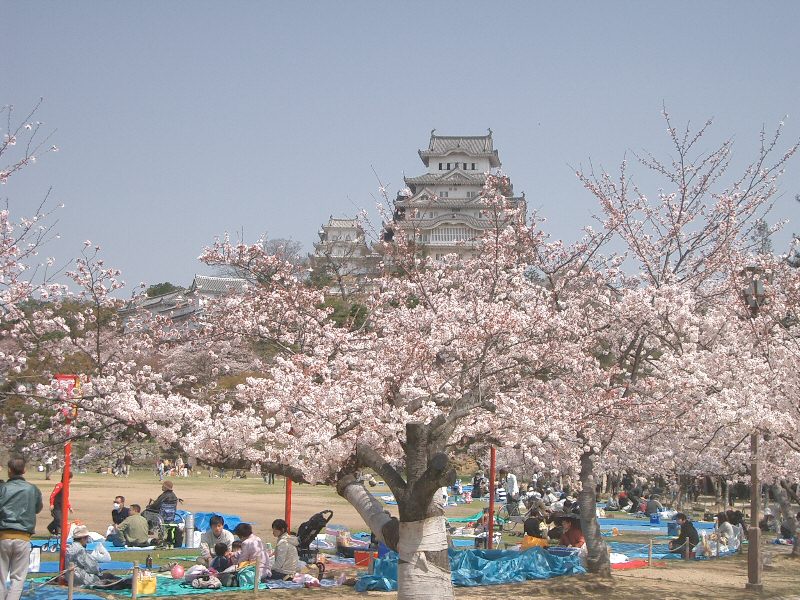
Hanami花見
The Japanese tradition of gathering to enjoy cherry blossoms in spring
🇯🇵 Japan and 7 more · Custom, Jan to May
Decoration
Hanami花見
The Japanese tradition of gathering to enjoy cherry blossoms in spring
🇯🇵 Japan and 7 more · Custom, Jan to May
 Decoration
Sōgetsu草月流
A modern school of Japanese ikebana open to all materials and styles
🇯🇵 Japan · Arrangement
Decoration
Sōgetsu草月流
A modern school of Japanese ikebana open to all materials and styles
🇯🇵 Japan · Arrangement