
Pomander
A scented ball or container worn or carried to perfume the air
A pomander is a ball or container filled with fragrant materials like ambergris, musk, or herbs. Used from the Middle Ages to freshen the air or ward off bad smells, pomanders were often worn as jewelry or carried in pouches, and today are sometimes made by studding fruit with cloves.
- Pomanders were worn or carried to mask bad smells and for protection.
- They were often made of gold or silver with openwork designs.
- Modern pomanders can be made by studding fruit with cloves.
- The word comes from French, meaning 'apple of amber'.
What is Pomander?
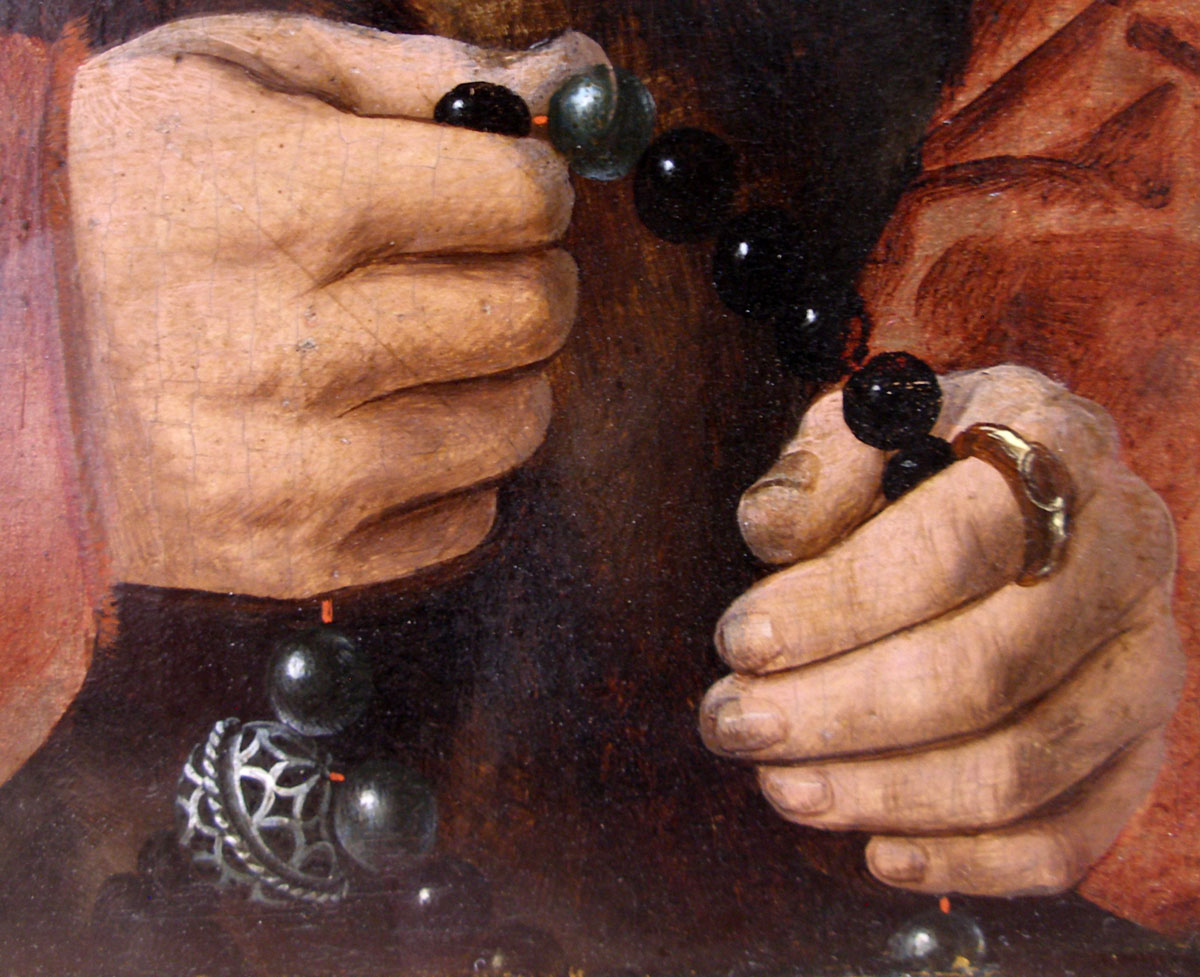
A pomander is a small ball or container designed to hold scented materials. Traditionally, it could be made from gold, silver, or other metals, often with openwork designs to let the fragrance escape. The container might be worn on a chain, attached to a belt, or even used as a bead in jewelry or a button. The scented filling could be a paste of resins, spices, and animal perfumes, or, in modern times, a fruit like an orange studded with cloves. Pomanders were used to perfume the air around the wearer and sometimes as a protective charm.
Where does Pomander come from?
The word pomander comes from the French 'pomme d'ambre', meaning 'apple of amber', referring to ambergris, a traditional ingredient. Pomanders first appeared in literature in the mid-13th century and were popular through the Middle Ages and Renaissance. They were initially religious keepsakes, later becoming fashionable accessories among the aristocracy. Over time, the design evolved from simple balls to elaborate containers shaped like hearts, books, or ships. By the 18th century, pomanders were largely replaced by vinaigrette boxes.
How Pomander is made
To make a traditional pomander, resins like benzoin, labdanum, and storax were ground, mixed with rose water, and cooked. The mixture was shaped into a ball, coated with spices such as cinnamon and cloves, and infused with animal scents like ambergris, musk, and civet. The finished ball was placed inside a decorative, often perforated, metal container. In modern times, a common method is to stud an orange or other fruit with dried cloves and let it dry, creating a long-lasting scented ball for freshening air or linens.



When and where Pomander is used
Pomanders were carried or worn to mask unpleasant odors and, in times of plague, were believed to protect against disease. They were popular among royalty and the upper classes, often worn as jewelry or attached to clothing. In the home, pomanders were placed in drawers or closets to keep clothes and linens smelling fresh. Today, clove-studded fruit pomanders are made as crafts, especially around holidays, for their pleasant scent and decorative appeal.
Forms of Pomander
Pomanders came in many forms: large balls, tiny beads for rosaries, buttons, lockets, and even cape fasteners. The pouncet box, a related item, was designed to hold liquid perfumes absorbed on cotton or sponge and became popular in the late 16th century. Pomander containers could be simple or highly ornate, sometimes shaped like nuts, skulls, or ships, and made from precious metals.
What Pomander means
Pomanders were once considered protective and were associated with both personal hygiene and spiritual well-being. They appear in historical records, literature, and art, such as in Shakespeare's plays and in the film 'Rosemary's Baby'. The tradition of making clove-studded fruit pomanders continues as a seasonal craft. The pomander's evolution reflects changing ideas about scent, health, and personal adornment.
Questions people ask about Pomander
What is a pomander?
A pomander is a ball or container filled with fragrant materials like ambergris, musk, herbs, or spices. It was worn or carried to perfume the air and sometimes believed to protect against illness.
Where did pomanders originate?
Pomanders first appeared in the mid-13th century in Europe, with the name coming from French. They became popular in the Middle Ages and Renaissance, especially among the upper classes.
How were traditional pomanders made?
Traditional pomanders were made by mixing resins and animal scents into a paste, shaping it into a ball, and placing it inside a decorative, perforated metal container. Modern versions use fruit and cloves.
What were pomanders used for?
Pomanders were used to mask unpleasant odors, freshen the air, and were believed to protect against disease. They were also worn as jewelry or carried as keepsakes.
What does the pomander symbolize?
Pomanders symbolized personal care, protection, and sometimes spiritual well-being. They were also a sign of status when made from precious materials and worn as jewelry.
Good reading and sources
The facts on this page come from the Wikipedia article "Pomander", written by its contributors and used under the CC BY-SA 4.0 licence, and from its Wikidata record (CC0). Phool rewrote the text in its own words, with AI assistance, and compares every page with the article to make sure no passage is copied. It may be reused under the same CC BY-SA 4.0 licence with a link back.
It may contain mistakes. If something is wrong, tell us. Last refreshed 2026-10-03.
More of the same kind
 Decoration
Garland
A string or braid of flowers, leaves, or other materials for decoration or ceremony
🇮🇳 India and 3 more · Garland or wreath
Decoration
Mărțișor
Red and white string brooches worn for spring in Romania and Moldova
🇷🇴 Romania and 3 more · Custom, March
Decoration
Garland
A string or braid of flowers, leaves, or other materials for decoration or ceremony
🇮🇳 India and 3 more · Garland or wreath
Decoration
Mărțișor
Red and white string brooches worn for spring in Romania and Moldova
🇷🇴 Romania and 3 more · Custom, March
 Decoration
Kanzashi簪
Traditional Japanese hair ornaments, often crafted as folded silk flowers
🇯🇵 Japan · Arrangement
Decoration
Kanzashi簪
Traditional Japanese hair ornaments, often crafted as folded silk flowers
🇯🇵 Japan · Arrangement
 Decoration
Bouquet
A creative arrangement of flowers, given or displayed for many occasions
🇨🇳 China and 1 more · Arrangement
Decoration
Bouquet
A creative arrangement of flowers, given or displayed for many occasions
🇨🇳 China and 1 more · Arrangement