
Ugadi
In its own language: ఉగాది / ಯುಗಾದಿ
South Indian New Year marked by flowers, rangoli, and mango leaf decorations
Ugadi is the New Year's festival for Telugu and Kannada communities, celebrated in parts of southern India and by their diaspora. Homes are decorated with mango leaves and colorful floor patterns, and families gather for rituals, special foods, and temple visits to mark the start of a new year.
- Homes are decorated with mango leaves and colorful rangoli designs
- Ugadi pachadi combines six tastes to symbolize life’s experiences
- Families gather to listen to the new year’s almanac reading
- Celebrated as the New Year by Telugu and Kannada communities
- Linked to similar festivals like Gudi Padwa and Nyepi
What is Ugadi?
Ugadi is a festival that marks the start of the Hindu lunar calendar year for Telugu and Kannada communities. On this day, homes are cleaned and decorated with fresh mango leaves hung above doorways and colorful rangoli or muggulu patterns drawn on the ground. Special dishes, including a mix of six tastes called pachadi, are prepared. The festival brings families together for prayers, rituals, and sharing of festive foods.
Where does Ugadi come from?
The name Ugadi comes from Sanskrit words meaning 'beginning of a new era.' The festival's roots go back to ancient times, with records from dynasties like the Chalukyas and Vijayanagara showing that kings made donations and granted land to temples on this day. Ugadi is observed on the first day of the waxing moon in the month of Chaitra, which usually falls in late March or early April, marking the start of spring.
How Ugadi is made
Preparations for Ugadi begin days ahead, with thorough cleaning of homes and buying new clothes. On the festival day, people decorate entrances with mango leaves and draw intricate floor designs using colored powders. A special dish, pachadi, is made by mixing neem flowers, jaggery, tamarind, raw mango, salt, and chili to represent life's different flavors. Families gather for prayers and listen to the reading of the new year's almanac.


When and where Ugadi is used
Ugadi is celebrated by Telugu and Kannada families in southern India and by their communities abroad. The day starts with ritual baths and prayers, followed by decorating homes and making offerings at temples. The festival is a time for family gatherings, sharing festive foods, and giving gifts. Listening to the Panchanga, or almanac, is a key ritual, offering predictions and guidance for the year ahead.
Forms of Ugadi
While Ugadi is mainly celebrated by Telugu and Kannada people, similar New Year festivals take place in other regions: Gudi Padwa in Maharashtra, Cheti Chand among Sindhis, and Nyepi in Bali. In Karnataka, the festival is also called Souramana Ugadi when it aligns with the solar calendar. Each region has its own special foods and customs, but the use of flowers, mango leaves, and floor art is common.
What Ugadi means
Ugadi holds deep meaning as a time of renewal and hope. The six-flavor pachadi dish symbolizes the varied experiences of life. The festival is linked to the idea of cosmic creation and the start of a new cycle. Historically, it has been a day for charity and community support. Ugadi is also a public holiday in some places outside India, reflecting its importance for the diaspora.
Questions people ask about Ugadi
Where is Ugadi celebrated?
Ugadi is mainly celebrated by Telugu and Kannada communities in southern India, especially in Andhra Pradesh, Karnataka, Telangana, and by their diaspora in places like Mauritius and Indonesia.
What do people do on Ugadi?
People clean and decorate their homes with mango leaves and rangoli, prepare special foods like pachadi, visit temples, gather with family, and listen to the reading of the new year’s almanac.
What is the meaning behind Ugadi pachadi?
Ugadi pachadi is a dish made with six different tastes, each representing a different emotion or experience, reminding people to accept all aspects of life in the new year.
What flowers or plants are used in Ugadi decorations?
Fresh mango leaves are hung above doors, and neem flowers are used in the special pachadi dish. Colorful floral patterns are drawn on the ground as part of the celebration.
Is Ugadi connected to any other festivals?
Yes, similar New Year festivals are held in other regions, such as Gudi Padwa in Maharashtra, Cheti Chand among Sindhis, and Nyepi in Bali.
Good reading and sources
The facts on this page come from the Wikipedia article "Ugadi", written by its contributors and used under the CC BY-SA 4.0 licence, and from its Wikidata record (CC0). Phool rewrote the text in its own words, with AI assistance, and compares every page with the article to make sure no passage is copied. It may be reused under the same CC BY-SA 4.0 licence with a link back.
It may contain mistakes. If something is wrong, tell us. Last refreshed 2026-10-03.
More of the same kind
 Decoration
Bonsai盆栽
The Japanese art of shaping miniature trees in shallow pots
🇯🇵 Japan and 7 more · Art or design
Decoration
Bonsai盆栽
The Japanese art of shaping miniature trees in shallow pots
🇯🇵 Japan and 7 more · Art or design
 Decoration
Tokonoma床の間
A Japanese alcove for displaying scrolls and flower arrangements
🇯🇵 Japan · Arrangement
Decoration
Tokonoma床の間
A Japanese alcove for displaying scrolls and flower arrangements
🇯🇵 Japan · Arrangement
 Decoration
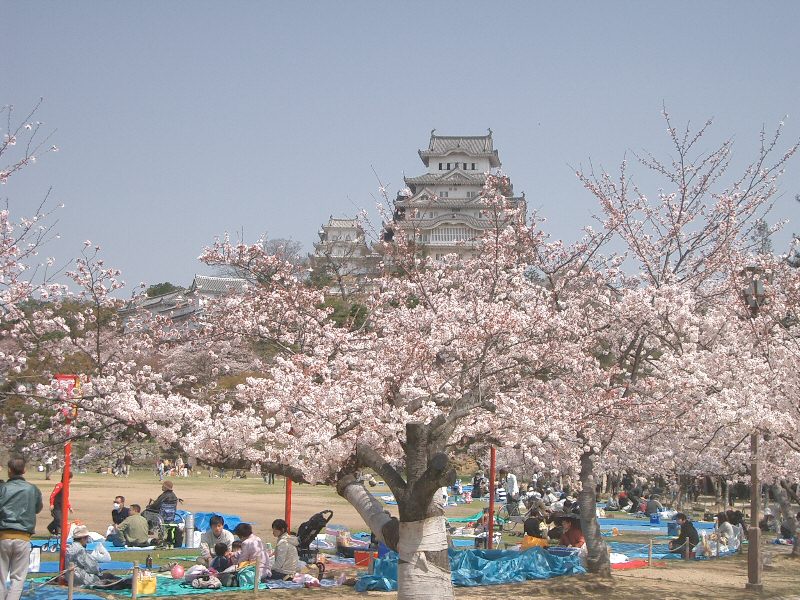
Hanami花見
The Japanese tradition of gathering to enjoy cherry blossoms in spring
🇯🇵 Japan and 7 more · Custom, Jan to May
Decoration
Hanami花見
The Japanese tradition of gathering to enjoy cherry blossoms in spring
🇯🇵 Japan and 7 more · Custom, Jan to May
 Decoration
Sōgetsu草月流
A modern school of Japanese ikebana open to all materials and styles
🇯🇵 Japan · Arrangement
Decoration
Sōgetsu草月流
A modern school of Japanese ikebana open to all materials and styles
🇯🇵 Japan · Arrangement
More from India
All the flowers of India Decoration
Varamalaवरमाला
A flower garland exchanged by bride and groom in Hindu weddings
🇮🇳 India · Garland or wreath
Decoration
Varamalaवरमाला
A flower garland exchanged by bride and groom in Hindu weddings
🇮🇳 India · Garland or wreath
 Decoration
Rangoliरंगोली
Indian floor art made with coloured powders, rice, or petals for festivals and daily welcome
🇮🇳 India and 1 more · Carpet or floor pattern
Decoration
Rangoliरंगोली
Indian floor art made with coloured powders, rice, or petals for festivals and daily welcome
🇮🇳 India and 1 more · Carpet or floor pattern
 Decoration
Onam
Kerala’s ten-day harvest festival with flower carpets, feasts and boat races
🇮🇳 India and 1 more · Custom, Aug to Sep
Decoration
Onam
Kerala’s ten-day harvest festival with flower carpets, feasts and boat races
🇮🇳 India and 1 more · Custom, Aug to Sep
 Decoration
Garland
A string or braid of flowers, leaves, or other materials for decoration or ceremony
🇮🇳 India and 3 more · Garland or wreath
Decoration
Garland
A string or braid of flowers, leaves, or other materials for decoration or ceremony
🇮🇳 India and 3 more · Garland or wreath