
Lotus Lantern Festival
In its own language: 연등회
Korea’s lantern festival held for Buddha’s Birthday
The Lotus Lantern Festival, or Yeondeunghoe, is a Korean celebration marking Buddha’s Birthday. On the eighth day of the fourth lunar month, people across South Korea light lanterns shaped like lotus flowers and other figures, filling temples, streets, and homes with glowing displays that symbolize hope and unity.
- Held on the eighth day of the fourth lunar month for Buddha’s Birthday
- Lanterns are made from bamboo, wire, and traditional Korean paper
- UNESCO Intangible Cultural Heritage since 2020
- Lotus flower lanterns symbolize dignity and awakening in Buddhism
- Seoul’s Jongno district hosts the largest celebrations
What is Lotus Lantern Festival?
The Lotus Lantern Festival fills Korean cities and temples with lanterns of many shapes, from simple lotus flowers to intricate animals, ships, and figures from history. Lanterns are made from frames of bamboo or wire, covered with colored paper or silk, and lit from within. Parades, temple displays, and workshops invite people of all ages to take part, creating a bright and lively atmosphere in the streets and at home.
Where does Lotus Lantern Festival come from?
This festival traces its roots back over a thousand years to the Silla Dynasty, with the earliest records from the 6th and 9th centuries. Originally, it combined Buddhist rituals with ceremonies for local spirits, asking for protection and good harvests. Over time, it became closely tied to Buddha’s Birthday, and the lotus flower became its main symbol, reflecting Buddhist ideas of dignity and spiritual awakening.
How Lotus Lantern Festival is made
Lanterns are built using a frame of split bamboo or wire, shaped and held together with tape or thin wire. Hanji, a traditional Korean paper made from mulberry bark, is cut and glued over the frame. Some lanterns use silk instead. For simple lotus lanterns, people glue colored tissue paper petals onto a round paper base. While candles were once used, most lanterns now shine with LED lights for safety.


When and where Lotus Lantern Festival is used
The festival takes place each spring, with the biggest events in Seoul’s Jongno district and at Jogyesa Temple. Lanterns are displayed at temples, in homes, and along parade routes. Workshops teach families and visitors how to make their own lanterns. The festival brings people together to celebrate, wish for happiness, and take part in Buddhist ceremonies such as bathing a statue of the infant Buddha.
Forms of Lotus Lantern Festival
Lanterns come in many forms, from traditional lotus flowers to creative shapes like animals, historical figures, and ships. Some years, lanterns from Japanese festivals have joined the displays. Community workshops and family gatherings produce both simple and elaborate designs, reflecting both Buddhist themes and modern creativity.
What Lotus Lantern Festival means
Recognized as a UNESCO Intangible Cultural Heritage since 2020, the festival is valued for its inclusiveness and ability to bring people together. The lanterns stand for hope, light, and unity. The event is a major part of Korean Buddhist tradition and national culture, with a history of adapting to changing times and welcoming all who wish to join.
The flowers of Lotus Lantern Festival


Days and festivals
Questions people ask about Lotus Lantern Festival
What is the Lotus Lantern Festival?
It is a Korean festival where people create and display lanterns, especially lotus-shaped ones, to celebrate Buddha’s Birthday. The event fills temples and streets with light and brings communities together each spring.
Where did the festival originate?
The festival began during the Silla Dynasty over a thousand years ago, combining Buddhist rituals with local ceremonies for protection and good harvests. It has been celebrated in Korea since at least the 6th century.
What do the lanterns represent?
Lanterns symbolize light, hope, and unity. In Buddhist tradition, the lotus flower stands for dignity and spiritual awakening.
How are the lanterns made?
Frames are shaped from bamboo or wire, then covered with Hanji paper or silk. Colored tissue paper petals are glued on for lotus lanterns. Most are now lit by LEDs instead of candles.
When does the festival take place?
It is held on the eighth day of the fourth lunar month, which usually falls in April or May, according to the Korean lunar calendar.
Good reading and sources
The facts on this page come from the Wikipedia article "Yeondeunghoe", written by its contributors and used under the CC BY-SA 4.0 licence, and from its Wikidata record (CC0). Phool rewrote the text in its own words, with AI assistance, and compares every page with the article to make sure no passage is copied. It may be reused under the same CC BY-SA 4.0 licence with a link back.
It may contain mistakes. If something is wrong, tell us. Last refreshed 2026-10-03.
More of the same kind
 Decoration
Floriculture
The science and business of growing flowers and ornamental plants
Arrangement
Decoration
Floriculture
The science and business of growing flowers and ornamental plants
Arrangement
 Decoration
Onam
Kerala’s ten-day harvest festival with flower carpets, feasts and boat races
🇮🇳 India and 1 more · Custom, Aug to Sep
Decoration
Onam
Kerala’s ten-day harvest festival with flower carpets, feasts and boat races
🇮🇳 India and 1 more · Custom, Aug to Sep
 Decoration
Day of the DeadDía de (los) Muertos
Mexico’s festival of remembrance with altars, marigolds, and sugar skulls
🇲🇽 Mexico · Custom, November
Decoration
Day of the DeadDía de (los) Muertos
Mexico’s festival of remembrance with altars, marigolds, and sugar skulls
🇲🇽 Mexico · Custom, November
 Decoration
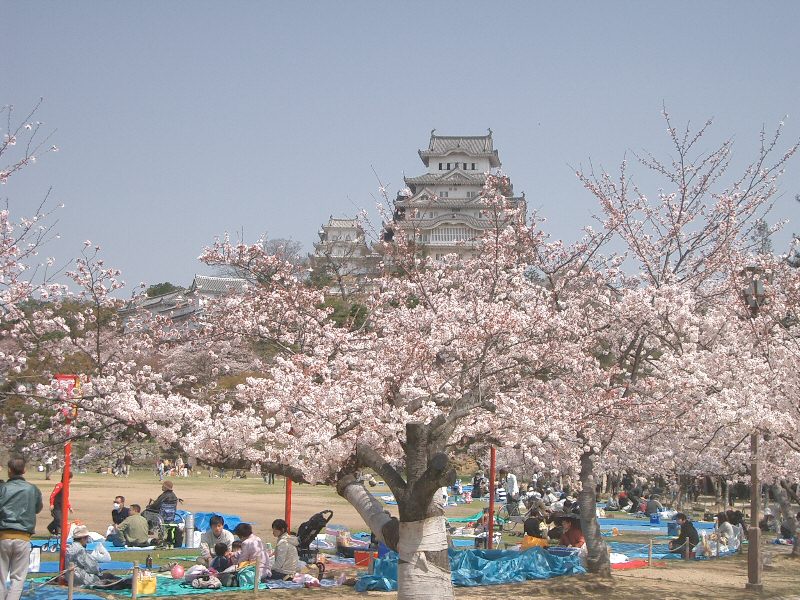
Hanami花見
The Japanese tradition of gathering to enjoy cherry blossoms in spring
🇯🇵 Japan and 7 more · Custom, Jan to May
Decoration
Hanami花見
The Japanese tradition of gathering to enjoy cherry blossoms in spring
🇯🇵 Japan and 7 more · Custom, Jan to May
More from South Korea
All the flowers of South Korea Decoration
Bonsai盆栽
The Japanese art of shaping miniature trees in shallow pots
🇯🇵 Japan and 7 more · Art or design
Decoration
Bonsai盆栽
The Japanese art of shaping miniature trees in shallow pots
🇯🇵 Japan and 7 more · Art or design
 Decoration
White Dayホワイトデー
March 14 gift-giving day in Japan and East Asia, one month after Valentine's Day
🇯🇵 Japan and 4 more · Custom, March
Decoration
White Dayホワイトデー
March 14 gift-giving day in Japan and East Asia, one month after Valentine's Day
🇯🇵 Japan and 4 more · Custom, March
 Decoration
Buddha's Birthday佛诞
A festival marking the birth of Gautama Buddha, celebrated across Asia in spring
🇮🇳 India and 3 more · Custom, Apr to May
Decoration
Buddha's Birthday佛诞
A festival marking the birth of Gautama Buddha, celebrated across Asia in spring
🇮🇳 India and 3 more · Custom, Apr to May
 Decoration
Double Ninth Festival重陽節
A day for mountain walks, chrysanthemums, and honoring ancestors in East Asia
🇨🇳 China and 5 more · Custom, Sep to Oct
Decoration
Double Ninth Festival重陽節
A day for mountain walks, chrysanthemums, and honoring ancestors in East Asia
🇨🇳 China and 5 more · Custom, Sep to Oct