Yarrow
Achillea, family Asteraceae
A group of aromatic, frilly-leaved plants with flat-topped flower clusters
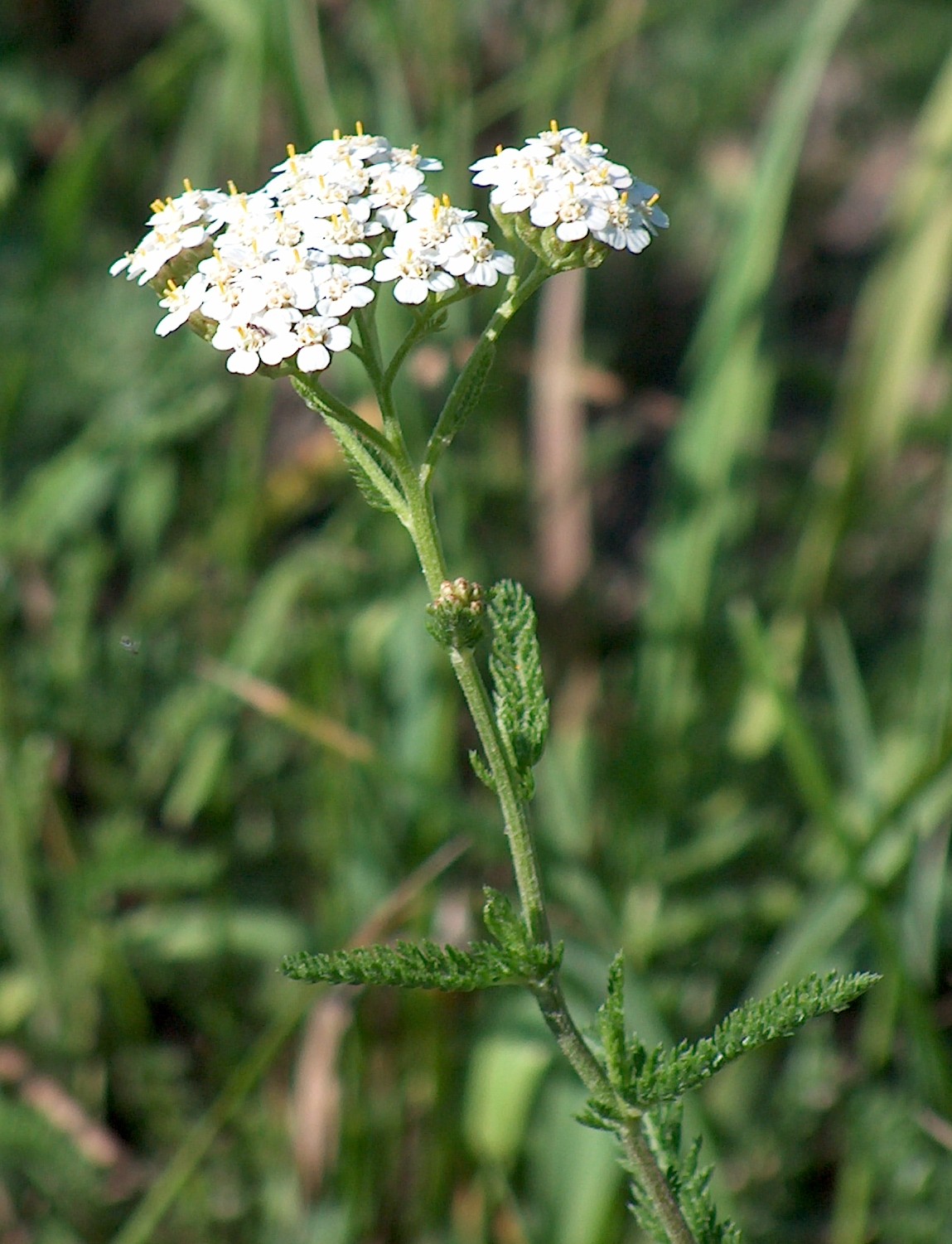
Yarrow refers to plants in the Achillea genus, which have finely divided, scented leaves and grow flat-topped clusters of small flowers. These plants are native to parts of Europe, temperate Asia, and North America, and are often grown in gardens for their colourful blooms and aromatic foliage.
- Named after the Greek hero Achilles
- Grows naturally in Europe, temperate Asia, and North America
- Flowers attract many kinds of insects
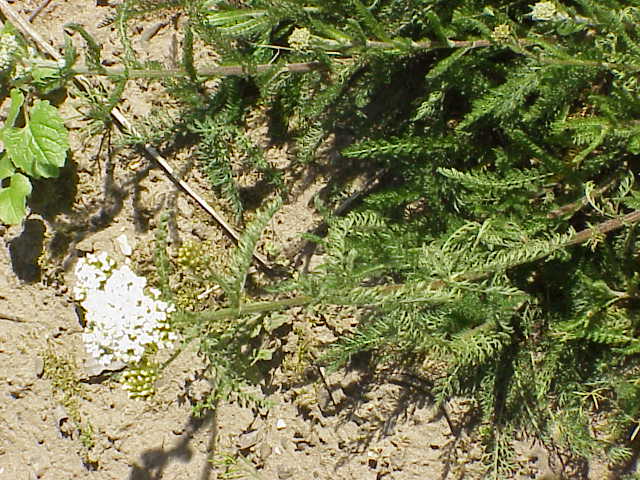
- Leaves are finely divided and aromatic
- Commonly called yarrow, especially Achillea millefolium
What does Yarrow look like?
Plants in the Achillea genus are easily recognised by their finely cut, often hairy leaves that give off a scent when touched. At the top of each stem, they produce broad, flat groupings of many small flowers. These blooms come in a range of colours, including white, yellow, orange, pink, and red. The flowers attract a variety of insects, making them a lively part of the garden.
Where does Yarrow come from?
Achillea grows wild across Europe, temperate regions of Asia, and North America. The name comes from the Greek hero Achilles, who, according to legend, used the plant to help heal wounds. The genus was first described by Carl Linnaeus in 1753. Over time, many species and varieties have been named, though experts often disagree on how to classify them.
When and how Yarrow blooms
Yarrows bloom from clusters at the top of upright stems. They thrive in temperate climates and are commonly grown in gardens for their easy care and colourful display. The plants are usually started from seed or divided roots and prefer well-drained soil. Their aromatic leaves and long-lasting flowers make them popular among gardeners.



How Yarrow is used
People grow Achillea species mainly for their decorative value in gardens, where their flowers and foliage add texture and colour. Traditionally, some species have been used for their supposed healing properties, as suggested by names like allheal and bloodwort. The flowers also support insect life by attracting pollinators.
Kinds of Yarrow
There are many species and cultivated varieties within Achillea, with Achillea millefolium being the most widely known as yarrow. Some cultivars have received awards for their garden performance. The exact number of species is debated, as botanists differ on which forms should be considered distinct.
What Yarrow means
Achillea’s connection to healing is reflected in its legend and common names. The story of Achilles using the plant for wounds is well known. Today, yarrow is valued for its role in gardens and its support of insect life, rather than for any symbolic or ceremonial use.
Questions people ask about Yarrow
Where does yarrow come from?
Yarrow, or Achillea, is native to Europe, temperate parts of Asia, and North America. It grows wild in meadows and open areas across these regions.
What does the Achillea plant look like?
Achillea plants have finely divided, sometimes hairy leaves that give off a scent. Their flower heads are broad and flat, made up of many small blooms in white, yellow, orange, pink, or red.
Why is it called Achillea?
The genus is named after Achilles, a figure from Greek mythology. Legends say his soldiers used yarrow to treat wounds, which is why it is also called allheal or bloodwort.
How is yarrow used?
Yarrow is mainly grown for its decorative flowers and aromatic leaves in gardens. Traditionally, some species were used in folk medicine, but today it is valued mostly for its garden appeal.
Are there different types of Achillea?
Yes, there are many species and cultivated varieties within the Achillea genus. Achillea millefolium is the most familiar, but the group includes many forms with different flower colours and growth habits.
Good reading and sources
- Encyclopaedia BritannicaArticle
- Index Nominum Genericorum (ING), Botany, Smithsonian InstitutionSmithsonian, Article
- Achillea ageratifoliaRoyal Horticultural Society, Article
- Plants of the World OnlineRoyal Botanic Gardens, Kew, Plant database
- Where it has been recordedGBIF, Plant database
- Sightings and photos by naturalistsiNaturalist, Plant database
The facts on this page come from the Wikipedia article "Achillea", written by its contributors and used under the CC BY-SA 4.0 licence, and from its Wikidata record (CC0). Phool rewrote the text in its own words, with AI assistance, and compares every page with the article to make sure no passage is copied. It may be reused under the same CC BY-SA 4.0 licence with a link back.
It may contain mistakes. It is not medical or foraging advice: many flowers are poisonous, and traditional uses are reported, not recommended. If something is wrong, tell us. Last refreshed 2026-10-03.
Others in the family Asteraceae
The whole family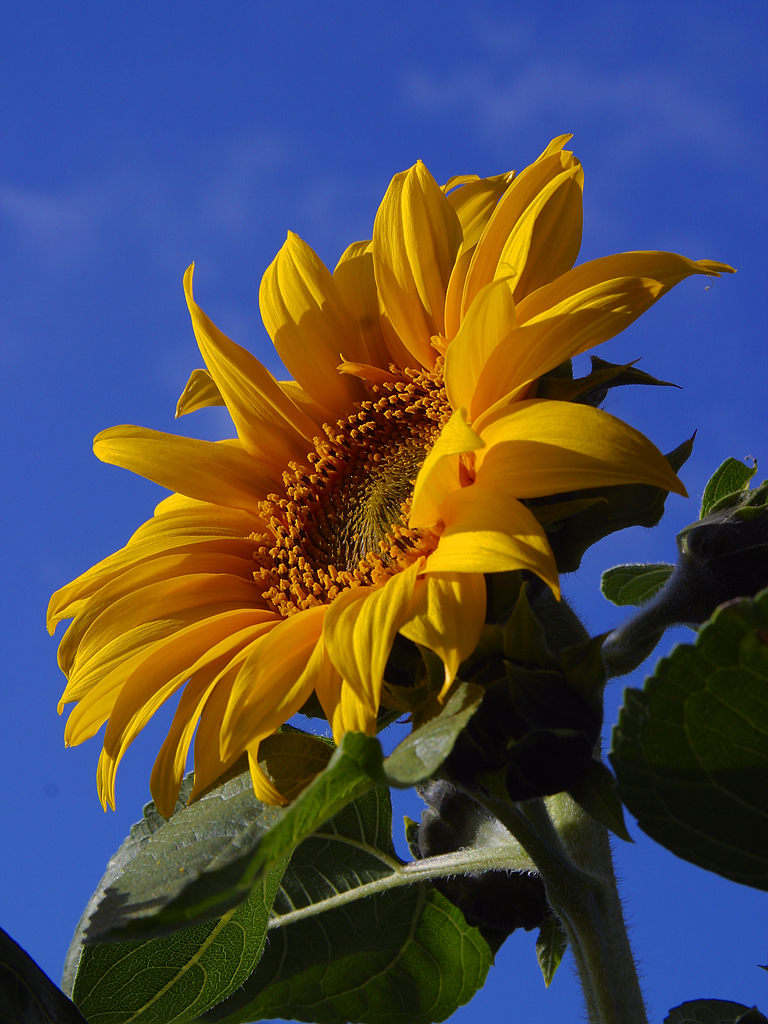 Common sunflowerHelianthus annuus
A tall annual plant grown for its large yellow flower heads and edible seeds
🇨🇦 Canada and 4 more · Wildflower
Common sunflowerHelianthus annuus
A tall annual plant grown for its large yellow flower heads and edible seeds
🇨🇦 Canada and 4 more · Wildflower
 Chrysanthemum菊花
Autumn-blooming flower with thousands of varieties, cherished in East Asia and beyond
🇨🇳 China and 6 more · Wildflower
Chrysanthemum菊花
Autumn-blooming flower with thousands of varieties, cherished in East Asia and beyond
🇨🇳 China and 6 more · Wildflower
 Asteraceae
The vast family of daisies, asters, and sunflowers with star-like flower heads
Asteraceae · Wildflower
Asteraceae
The vast family of daisies, asters, and sunflowers with star-like flower heads
Asteraceae · Wildflower
 DandelionTaraxacum
A yellow-flowered perennial found in fields, lawns, and gardens worldwide
Taraxacum · Wildflower
DandelionTaraxacum
A yellow-flowered perennial found in fields, lawns, and gardens worldwide
Taraxacum · Wildflower