
Ageratum
Fluffy blue, pink, or white flowers grown in gardens and containers
Ageratum is a group of flowering plants from warm parts of the Americas, with soft, tufted blooms in blue, pink, lilac, or white. These compact annuals and perennials are popular in gardens and pots for their long-lasting color, but some species can be toxic and may become invasive outside their home range.
- Ageratum flowers are fluffy and come in blue, pink, lilac, or white
- Most garden ageratums are compact, but taller types exist
- Some species are toxic and can harm the liver if eaten
- Ageratum can become invasive outside its home region
What does Ageratum look like?
Ageratum plants form low, bushy mounds or clumps, reaching up to about 76 cm tall, though many garden types are much shorter. Their leaves are opposite, heart-shaped or oval, and often covered in soft hairs. The edges of the leaves are gently toothed. The flowers are small, fluffy, and grouped in clusters, with shades ranging from blue and violet to pink and white. These blooms are light and airy in appearance.
Where does Ageratum come from?
Ageratum is native to tropical and warm temperate regions of the Americas, especially Central America, Mexico, and a few areas in the United States. Over time, gardeners have spread these plants widely for their attractive flowers. The genus belongs to the Asteraceae family, which includes many familiar daisy-like plants. Some species once placed in Ageratum have been moved to other genera as botanists have learned more about their relationships.
When and how Ageratum blooms
Ageratum is usually grown from seed and thrives in sunny or partially shaded spots. It flowers from early summer until the first frost. Garden varieties range from very short types, such as 'Hawaii', to taller forms up to 46 cm. The most common garden kinds are blue, but pink, violet, and white are also available. These plants are often used in beds, borders, rock gardens, and containers.

How Ageratum is used
People grow ageratum mainly for its decorative flowers, which provide color in gardens and pots through the warm months. The fluffy blooms are valued for their long season and ability to fill spaces with soft color. Some species, however, contain toxic compounds and can become weeds if they escape cultivation.
Kinds of Ageratum
There are 40 to 60 species in the genus. Ageratum houstonianum is the most widely grown for gardens. Varieties differ in height, with some bred for compact growth and others for taller displays. Color forms include blue, violet, pink, and white, and some cultivars have bi-colored flowers, such as white tips over blue.
What Ageratum means
Ageratum is known as whiteweed in the United States. While it is mainly valued for its ornamental qualities, some species have become invasive outside their native areas. Certain types contain chemicals that are harmful to animals and humans if consumed. The plant does not have a strong role in symbolism or ritual.
Questions people ask about Ageratum
Where does ageratum come from?
Ageratum is native to warm regions of Central America, Mexico, and a few parts of the United States. It has been widely grown elsewhere for its ornamental flowers.
What do ageratum flowers look like?
The flowers are small, fluffy, and grouped in clusters. They appear in shades of blue, pink, lilac, violet, or white, and are often used to add soft color to gardens.
Is ageratum poisonous?
Yes, several ageratum species contain toxic compounds called pyrrolizidine alkaloids, which can cause liver damage if eaten.
How is ageratum used in gardens?
Ageratum is planted in beds, borders, rock gardens, and containers for its long-lasting, colorful blooms. It is valued for its ability to flower from summer to autumn.
Can ageratum become a weed?
Some species, such as Ageratum conyzoides and Ageratum houstonianum, can spread aggressively and become environmental weeds outside their native range.
Good reading and sources
- Encyclopaedia BritannicaArticle
- USDA Plants DatabaseUS Department of Agriculture, Article
- Plants of the World OnlineRoyal Botanic Gardens, Kew, Plant database
- Where it has been recordedGBIF, Plant database
- Sightings and photos by naturalistsiNaturalist, Plant database
The facts on this page come from the Wikipedia article "Ageratum", written by its contributors and used under the CC BY-SA 4.0 licence, and from its Wikidata record (CC0). Phool rewrote the text in its own words, with AI assistance, and compares every page with the article to make sure no passage is copied. It may be reused under the same CC BY-SA 4.0 licence with a link back.
It may contain mistakes. It is not medical or foraging advice: many flowers are poisonous, and traditional uses are reported, not recommended. If something is wrong, tell us. Last refreshed 2026-10-03.
Others in the family Asteraceae
The whole family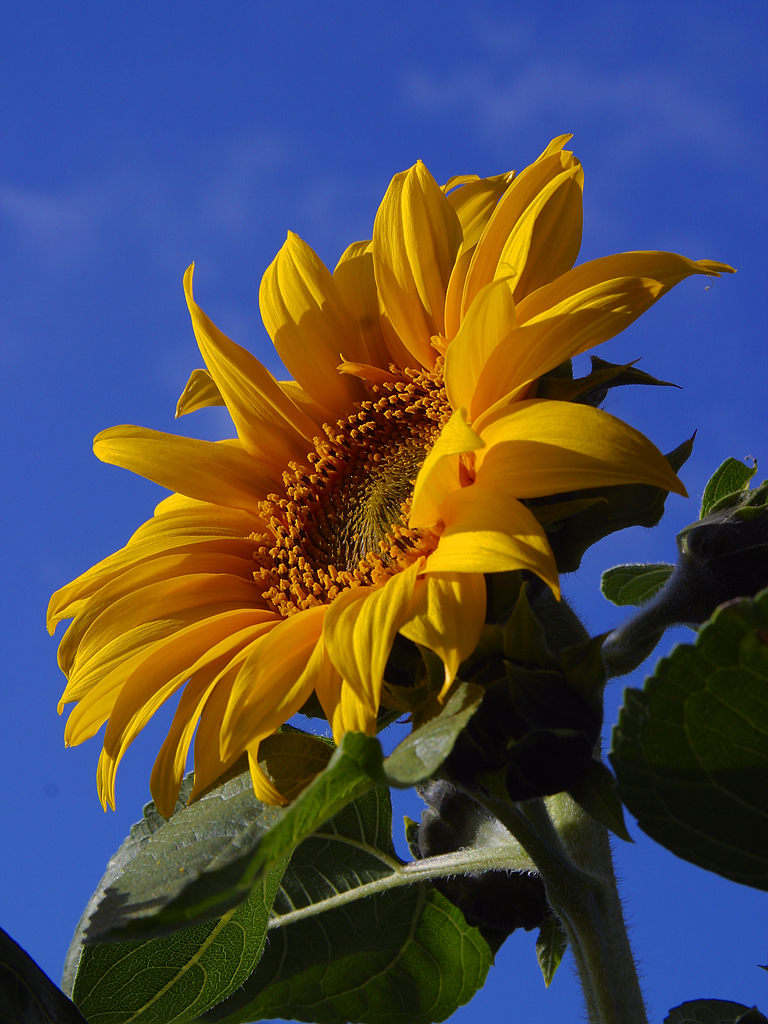 Common sunflowerHelianthus annuus
A tall annual plant grown for its large yellow flower heads and edible seeds
🇨🇦 Canada and 4 more · Wildflower
Common sunflowerHelianthus annuus
A tall annual plant grown for its large yellow flower heads and edible seeds
🇨🇦 Canada and 4 more · Wildflower
 Chrysanthemum菊花
Autumn-blooming flower with thousands of varieties, cherished in East Asia and beyond
🇨🇳 China and 6 more · Wildflower
Chrysanthemum菊花
Autumn-blooming flower with thousands of varieties, cherished in East Asia and beyond
🇨🇳 China and 6 more · Wildflower
 Asteraceae
The vast family of daisies, asters, and sunflowers with star-like flower heads
Asteraceae · Wildflower
Asteraceae
The vast family of daisies, asters, and sunflowers with star-like flower heads
Asteraceae · Wildflower
 DandelionTaraxacum
A yellow-flowered perennial found in fields, lawns, and gardens worldwide
Taraxacum · Wildflower
DandelionTaraxacum
A yellow-flowered perennial found in fields, lawns, and gardens worldwide
Taraxacum · Wildflower