
Arctotis
In its own language: Gousblom
A group of daisy-like flowers from southern Africa grown for their bright blooms
Arctotis is a group of flowering plants from southern Africa, known for their bold, daisy-shaped flowers. These plants are grown in gardens for their wide range of colours, with some varieties bred to keep their blooms open longer throughout the day.
- Native to southern Africa's dry regions
- Flowers close in late afternoon or cloudy weather in the wild
- Garden hybrids bloom in many colours and stay open longer
- 'Flame' cultivar has received a major horticultural award
- Known as 'African daisy' and 'Gousblom'
What does Arctotis look like?
Arctotis plants can be annuals or perennials, forming clumps of leaves with upright stems. Their blooms resemble daisies, with a central disc surrounded by colourful petals. The flowers come in many shades, including reds, pinks, oranges, yellows, whites, and purples. In their natural setting, the blooms often close up later in the day or when skies are overcast. Garden varieties have been bred to stay open longer and show off their colours.
Where does Arctotis come from?
These plants come from the dry, rocky areas of southern Africa. Some species have also been grouped under the name Venidium. The Afrikaans name for Arctotis is 'Gousblom'. Over time, gardeners outside Africa have taken an interest in these flowers, especially for their striking appearance and adaptability to garden settings.
When and how Arctotis blooms
Arctotis flowers are grown from seed or cuttings, often started indoors in cooler climates. They prefer well-drained soil and sunny spots. In regions with cold winters, tender types are treated as annuals, while in milder areas, they can survive year-round. Gardeners choose from many hybrids and cultivars, some bred to keep their flowers open longer or to offer unusual colours.


How Arctotis is used
These flowers are popular in garden borders and containers for their long-lasting and colourful blooms. Some types are also used as cut flowers. Their ability to thrive in dry, sunny spots makes them a favourite for low-maintenance gardens.
Kinds of Arctotis
There are many cultivated forms of Arctotis, including hybrids like 'Flame', which has been recognised by horticultural societies for its garden performance. Varieties such as 'Pink Sugar' and 'Large Marge' are chosen for their vibrant colours and strong growth.
What Arctotis means
Arctotis is often called 'African daisy', reflecting its origin. The plant is valued mainly for its ornamental qualities in gardens and landscaping. Some cultivars have received awards for their performance and beauty. The flowers are also known by their Afrikaans name, 'Gousblom'.
Where Arctotis is used and seen

Traditions that use it
Where to see Arctotis

Questions people ask about Arctotis
Where does Arctotis come from?
Arctotis originates from southern Africa, where it grows in dry, rocky areas.
What do Arctotis flowers look like?
They have daisy-shaped blooms with a central disc and colourful petals in shades like red, yellow, pink, white, and orange.
How are Arctotis plants used?
They are mainly grown in gardens for their bright flowers and are sometimes used as cut flowers.
Are there different types of Arctotis?
Yes, there are many hybrids and cultivars, including popular ones like 'Flame', 'Pink Sugar', and 'Large Marge'.
Why are some Arctotis flowers called 'African daisy'?
The name 'African daisy' refers to their daisy-like appearance and African origin.
Good reading and sources
- Arctotis × hybrida hort. 'Flame' [1]Royal Horticultural Society, Article
- USDA Plants DatabaseUS Department of Agriculture, Article
- Plants of the World OnlineRoyal Botanic Gardens, Kew, Plant database
- Where it has been recordedGBIF, Plant database
- Sightings and photos by naturalistsiNaturalist, Plant database
The facts on this page come from the Wikipedia article "Arctotis", written by its contributors and used under the CC BY-SA 4.0 licence, and from its Wikidata record (CC0). EveryPhool rewrote the text in its own words, with AI assistance, and compares every page with the article to make sure no passage is copied. It may be reused under the same CC BY-SA 4.0 licence with a link back.
It may contain mistakes. It is not medical or foraging advice: many flowers are poisonous, and traditional uses are reported, not recommended. If something is wrong, tell us. Last refreshed 2026-10-03.
Others in the family Asteraceae
The whole family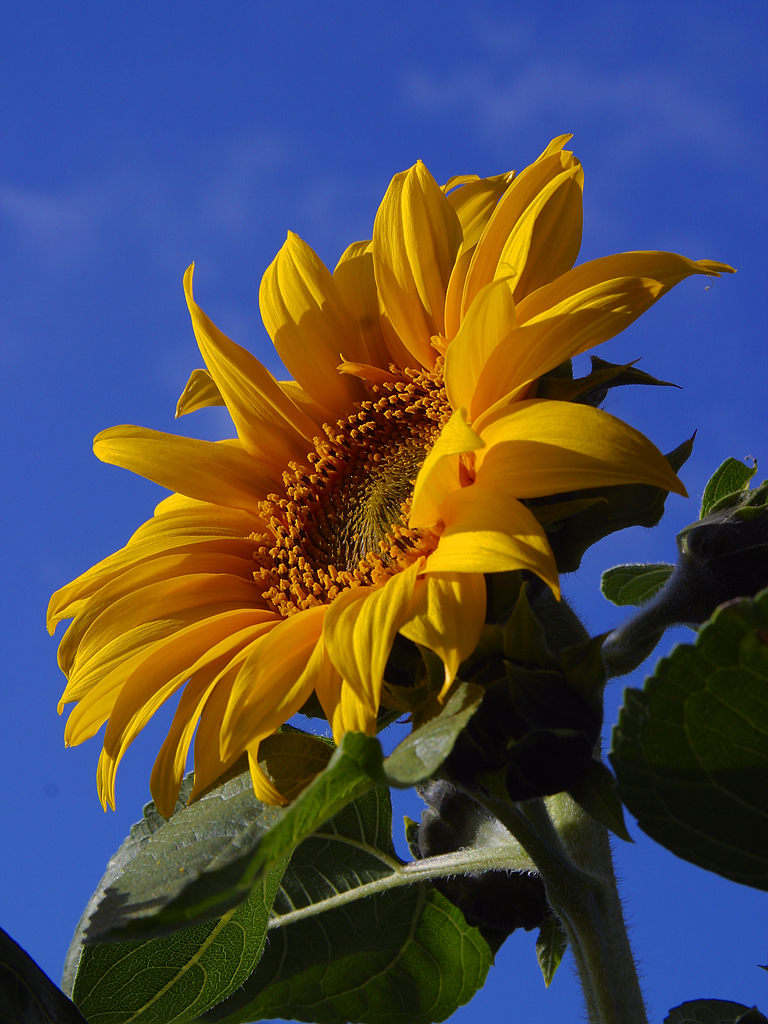 Common sunflowerHelianthus annuus
A tall annual plant grown for its large yellow flower heads and edible seeds
🇨🇦 Canada and 4 more · Wildflower
Common sunflowerHelianthus annuus
A tall annual plant grown for its large yellow flower heads and edible seeds
🇨🇦 Canada and 4 more · Wildflower
 Chrysanthemum菊花
Autumn-blooming flower with thousands of varieties, cherished in East Asia and beyond
🇨🇳 China and 6 more · Wildflower
Chrysanthemum菊花
Autumn-blooming flower with thousands of varieties, cherished in East Asia and beyond
🇨🇳 China and 6 more · Wildflower
 DandelionTaraxacum
A yellow-flowered perennial found in fields, lawns, and gardens worldwide
Taraxacum · Wildflower
DandelionTaraxacum
A yellow-flowered perennial found in fields, lawns, and gardens worldwide
Taraxacum · Wildflower
 Dahlia
A bushy perennial with tuberous roots and bright, star-shaped blooms
🇲🇽 Mexico and 1 more · Garden flower
Dahlia
A bushy perennial with tuberous roots and bright, star-shaped blooms
🇲🇽 Mexico and 1 more · Garden flower