
Aster
Star-shaped perennial flowers from Eurasia, popular in gardens for late blooms
Aster is a group of perennial flowering plants in the daisy family, mostly native to Eurasia. Known for their star-like flower heads, asters are valued in gardens for their colourful blooms, especially in late summer and autumn. The name comes from the Greek word for 'star.'
- Aster flowers are shaped like stars, which inspired their name.
- Nearly all Aster species are native to Eurasia.
- Asters are popular for their late summer and autumn blooms.
- The Hungarian Aster Revolution was named after this flower.
- Many garden asters are hybrids or cultivars.
What does Aster look like?
Asters are perennial plants with flower heads shaped like stars, which is reflected in their name. The blooms are made up of many small florets, giving them a daisy-like appearance. While the sources do not specify colours, asters are known for their attractive and colourful flowers. The plants vary in size and are often grown for their showy display in gardens, especially when many other flowers have faded.
Where does Aster come from?
Aster is native mainly to Eurasia, with nearly all of its roughly 180 species found there. The genus once included many North American species, but these have been reclassified into related genera. The name 'Aster' comes from Ancient Greek, meaning 'star', in reference to the shape of the flower head. Aster amellus is the type species for the genus and the family Asteraceae.
When and how Aster blooms
Asters are perennials, returning each year and blooming mainly in late summer and autumn. They can grow in all hardiness zones, making them adaptable to a range of climates. Gardeners often choose asters for their reliable late-season colour. Many hybrids and varieties exist, some of which have been recognised for their garden merit.

How Aster is used
Asters are widely grown as garden plants for their attractive flowers, especially valued for blooming late in the season. The flowers are also associated with historical events, such as the Aster Revolution in Hungary. Some species serve as food plants for the larvae of various Lepidoptera (butterflies and moths).
Kinds of Aster
There are around 180 species in the genus Aster, with many hybrids and cultivars developed for gardens. Notable hybrids include Aster × frikartii and its varieties, some of which have received awards for garden merit. The genus has been narrowed, with many former species now placed in other genera.
What Aster means
Asters are sometimes called Michaelmas daisies because they bloom around the time of Michaelmas in the British Isles. They are one of the few flowers still blooming at this time, inspiring poetry and tradition. The flower was a symbol in the Hungarian 'Aster Revolution' of 1918, where protesters wore asters.
Questions people ask about Aster
Where do asters come from?
Most asters are native to Eurasia. The genus once included North American species, but these have been reclassified into other related genera.
What do aster flowers look like?
Aster flowers have a star-shaped head made up of many small florets, giving them a daisy-like appearance. They are known for their colourful and attractive blooms.
When do asters bloom?
Asters typically bloom in late summer and autumn, making them popular for gardens when other flowers have faded.
Are asters used for anything special?
Asters are mainly grown for their decorative value in gardens. Some species are also food plants for butterfly and moth larvae. The flower has been used as a symbol in historical events.
Why are asters called Michaelmas daisies?
They are called Michaelmas daisies because they bloom around the time of Michaelmas, a festival in the British Isles, and are among the few flowers left blooming then.
Good reading and sources
- Visiting the garden at UptonNational Trust, Article
- Plants of the World OnlineRoyal Botanic Gardens, Kew, Plant database
- Where it has been recordedGBIF, Plant database
- Sightings and photos by naturalistsiNaturalist, Plant database
- Aster (genus) on WikipediaEncyclopedia
- More photos on Wikimedia CommonsPhotos
- Wikidata recordOpen data
The facts on this page come from the Wikipedia article "Aster (genus)", written by its contributors and used under the CC BY-SA 4.0 licence, and from its Wikidata record (CC0). Phool rewrote the text in its own words, with AI assistance, and compares every page with the article to make sure no passage is copied. It may be reused under the same CC BY-SA 4.0 licence with a link back.
It may contain mistakes. It is not medical or foraging advice: many flowers are poisonous, and traditional uses are reported, not recommended. If something is wrong, tell us. Last refreshed 2026-10-03.
Others in the family Asteraceae
The whole family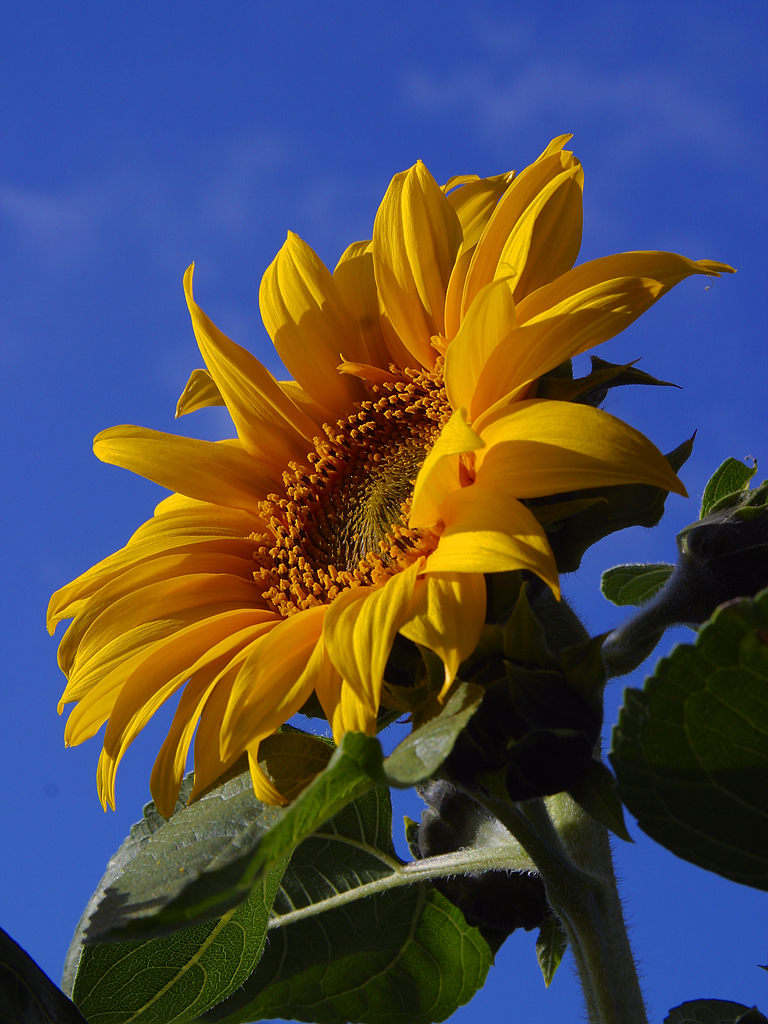 Common sunflowerHelianthus annuus
A tall annual plant grown for its large yellow flower heads and edible seeds
🇨🇦 Canada and 4 more · Wildflower
Common sunflowerHelianthus annuus
A tall annual plant grown for its large yellow flower heads and edible seeds
🇨🇦 Canada and 4 more · Wildflower
 Chrysanthemum菊花
Autumn-blooming flower with thousands of varieties, cherished in East Asia and beyond
🇨🇳 China and 6 more · Wildflower
Chrysanthemum菊花
Autumn-blooming flower with thousands of varieties, cherished in East Asia and beyond
🇨🇳 China and 6 more · Wildflower
 Asteraceae
The vast family of daisies, asters, and sunflowers with star-like flower heads
Asteraceae · Wildflower
Asteraceae
The vast family of daisies, asters, and sunflowers with star-like flower heads
Asteraceae · Wildflower
 DandelionTaraxacum
A yellow-flowered perennial found in fields, lawns, and gardens worldwide
Taraxacum · Wildflower
DandelionTaraxacum
A yellow-flowered perennial found in fields, lawns, and gardens worldwide
Taraxacum · Wildflower