
Beach Barringtonia
Barringtonia asiatica, family Lecythidaceae
A coastal tree with fragrant night-blooming flowers and buoyant toxic fruit
Beach Barringtonia is a tropical shoreline tree growing up to 30 metres tall, with glossy pear-shaped leaves and large white-and-pink fragrant flowers. It bears square-based, pyramid-shaped fruit that float for years, spreading across oceans; its seeds and bark are traditionally used to stun fish.
- Flowers open at night and are pollinated by bats and moths
- Fruit can float for up to fifteen years in seawater
- Seeds and bark contain saponins used to stun fish
- Globally listed as least concern but critically endangered in Singapore
- Among the first plants to return to Anak Krakatau after 1883
What does Beach Barringtonia look like?
This tree reaches 20 to 30 metres in height with a leaning, irregular trunk and coarse dark bark. Its leaves are glossy, waxy, and pear-shaped, up to 40 cm long. The flowers bloom at branch tips in upright clusters, each about 15 cm wide, with four white petals and many stamens that fade from white at the base to pink or purple at the tips. They open at night and carry a strong fragrance.
Where does Beach Barringtonia come from?
First named Mammea asiatica by Linnaeus in 1753 from a specimen collected in Java, it was moved to the genus Barringtonia by Wilhelm Sulpiz Kurz in 1875. The genus honours English naturalist Daines Barrington. It grows naturally along tropical shores from East Africa across South and Southeast Asia to northern Australia and numerous Pacific islands.
When and how Beach Barringtonia blooms
It thrives on beaches and in coastal forests below 100 metres elevation. Its night-opening flowers attract bats and moths for pollination. After flowering, it produces large, square-in-cross-section fruit with a spongy outer layer that keeps them afloat. These can drift on ocean currents for months or even years, enabling long-distance dispersal.


How Beach Barringtonia is used
Coastal communities have long crushed its bark and seeds to release saponins, using them to stun fish in lagoons and slow streams. The hollow fruit serve as net floats. Parts of the plant also feature in traditional remedies for headaches, sores, and backaches. In places like Cairns, Australia, it is planted in parks and streets for shade and its showy blooms.
What Beach Barringtonia means
Known by many local names, such as putat laut in Singapore, butun in Indonesia, and 'utu in the Cook Islands, it reflects its wide reach across island cultures. Though globally secure, it is critically endangered in Singapore. Its buoyant fruit have washed ashore as far as Ireland and the Netherlands, and it was among the first plants to recolonise Anak Krakatau after the 1883 eruption.
Questions people ask about Beach Barringtonia
Where does Beach Barringtonia come from?
It is native to tropical coastlines stretching from Tanzania and Madagascar through India and Southeast Asia to northern Australia and many western Pacific islands.
Why is it called Fish Poison Tree?
Traditional cultures crush its bark and seeds to release saponins that stun or kill fish in slow-moving water, making them easier to catch.
Are the flowers fragrant?
Yes, the large white-and-pink flowers open at night and emit a strong scent to attract bat and moth pollinators.
Is Beach Barringtonia safe to handle?
No, the plant is highly toxic to humans, especially the seeds and bark used in fish poisoning.
How does it spread across oceans?
Its fruit have a thick spongy layer that makes them buoyant, allowing ocean currents to carry them for months or even years to distant shores.
Good reading and sources
- IUCN Red List of Threatened SpeciesIUCN Red List, Article
- USDA Plants DatabaseUS Department of Agriculture, Article
- NParksNational Parks Board, Singapore, Article
- Plants of the World OnlineRoyal Botanic Gardens, Kew, Plant database
- Where it has been recordedGBIF, Plant database
- Sightings and photos by naturalistsiNaturalist, Plant database
- Barringtonia asiatica on WikipediaEncyclopedia
- More photos on Wikimedia CommonsPhotos
- Wikidata recordOpen data
The facts on this page come from the Wikipedia article "Barringtonia asiatica", written by its contributors and used under the CC BY-SA 4.0 licence, and from its Wikidata record (CC0). Phool rewrote the text in its own words, with AI assistance, and compares every page with the article to make sure no passage is copied. It may be reused under the same CC BY-SA 4.0 licence with a link back.
It may contain mistakes. It is not medical or foraging advice: many flowers are poisonous, and traditional uses are reported, not recommended. If something is wrong, tell us. Last refreshed 2026-10-03.

More from Tanzania
All the flowers of Tanzania African violetSaintpaulia
A small, velvety-leaved house plant with violet, blue or white flowers from East Africa
🇹🇿 Tanzania and 1 more · Wildflower
African violetSaintpaulia
A small, velvety-leaved house plant with violet, blue or white flowers from East Africa
🇹🇿 Tanzania and 1 more · Wildflower
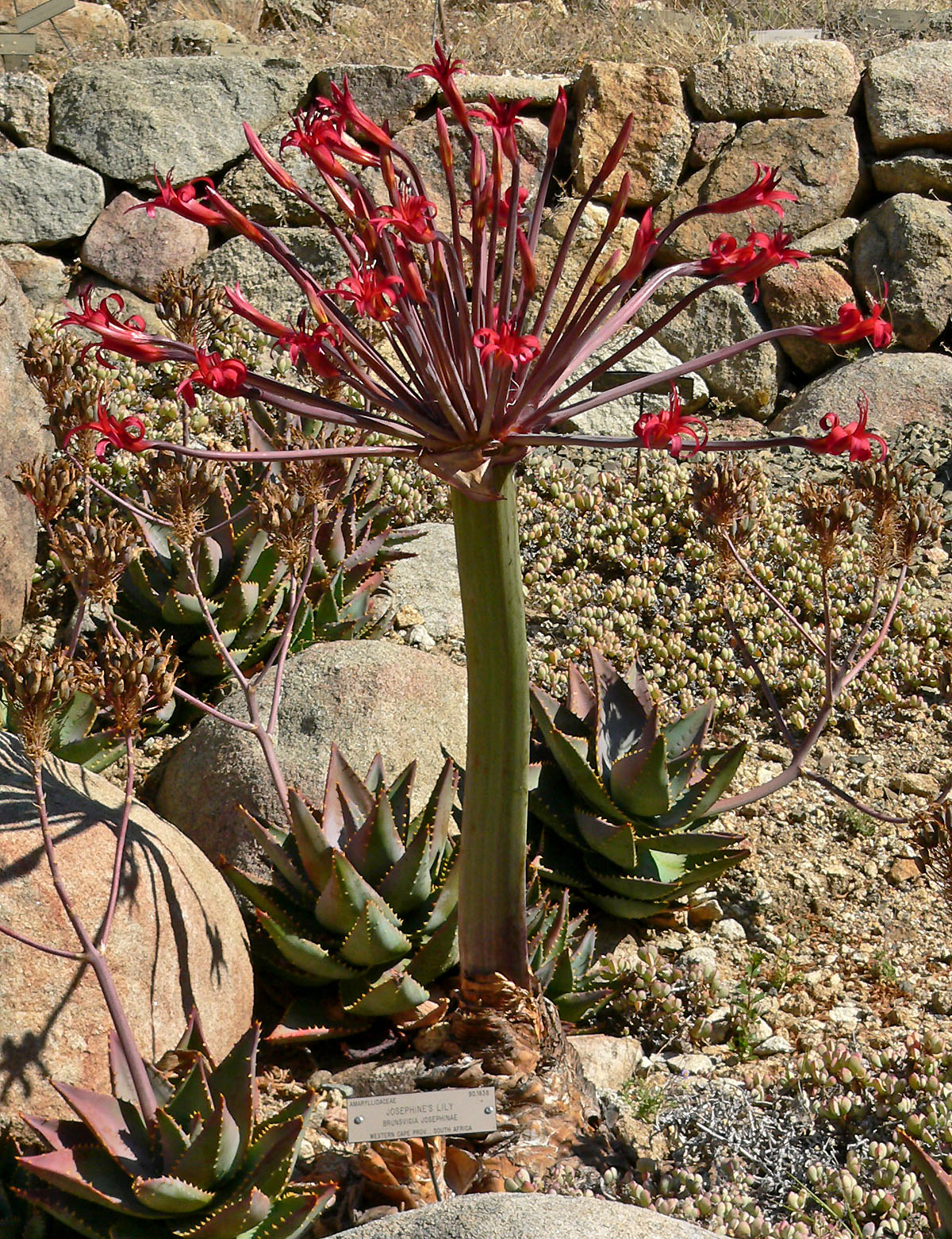 Brunsvigia
Bulbous plants with striking pink or red flowers from southern Africa
🇹🇿 Tanzania and 1 more · Wildflower
Brunsvigia
Bulbous plants with striking pink or red flowers from southern Africa
🇹🇿 Tanzania and 1 more · Wildflower
 Cape primroseStreptocarpus
A houseplant with tubular blooms from African mountains and forests
🇿🇦 South Africa and 7 more · Wildflower
Cape primroseStreptocarpus
A houseplant with tubular blooms from African mountains and forests
🇿🇦 South Africa and 7 more · Wildflower
 Tritonia
Strongly scented yellow to brown flowers from southern Africa
🇿🇦 South Africa and 7 more · Wildflower
Tritonia
Strongly scented yellow to brown flowers from southern Africa
🇿🇦 South Africa and 7 more · Wildflower