
Easter orchid
Cattleya mossiae, family Orchidaceae
A very fragrant Cattleya orchid, called the Easter orchid, with a white form
Cattleya mossiae is an orchid of the Cattleya group, known in English as the Easter orchid. Its flowers carry a lip, and the species belongs with the exceptionally fragrant orchids; a white-flowered form is sometimes called Cattleya wagneri.
- Commonly called the Easter orchid, it is a species in the Cattleya group.
- The sources count it among the exceptionally fragrant orchids.
- A white-flowered form of it is sometimes known as Cattleya wagneri.
- Its chromosome counts are 2n = 40 and n = 20.
- Its name reads literally as Moss' Cattleya.
What does Easter orchid look like?
Cattleya mossiae is an orchid of the Cattleya group. Its flowers are labiate, a word that means lipped: the bloom carries a distinct lip, the petal that stands forward in many orchids. Scent is one of its distinctions. The sources place it with the exceptionally fragrant orchids, so perfume is part of what the plant is known for. Colour is only partly described; the white form is the one singled out, and growers have sometimes named it Cattleya wagneri. The species name carries a possessive, written in English as Moss' Cattleya.
Where does Easter orchid come from?
The material for this page gives no wild range, no home country and no collection history for Cattleya mossiae, so it cannot say where the plant grows on its own. What it does record is the name. The Latin reads literally as Moss' Cattleya, as if the orchid belonged to someone called Moss, and the species epithet is built to carry that possessive. Beyond the name there are no dates, no places and no account of how the plant reached gardens.

Kinds of Easter orchid
One variation is noted in the sources. Besides the usual plant there is a white-flowered form, and that form is sometimes called Cattleya wagneri. No other cultivars, colour forms or regional races are named in the material here. The chromosome counts belong to the species as a whole and they are orderly: forty chromosomes in an ordinary body cell, twenty pairs of them, and half that number, twenty, where a single set is carried.
What Easter orchid means
The name is the main cultural thread in the material. Cattleya mossiae is known as the Easter orchid, so it is tied in ordinary speech to the Easter season, though the sources do not explain the link and record no rite, emblem or festival around it. Nothing is said of symbolism, art, literature or conservation. What is recorded is botanical: the chromosome numbers, the white form with its second name, and the plant's place among the orchids kept for strong fragrance.
Days and festivals
Questions people ask about Easter orchid
Where does Cattleya mossiae come from?
The sources used here name no wild range and no home country for Cattleya mossiae. They describe the plant, its scent and its name, but give no habitat and no history of where it was first collected or found.
Why is it called the Easter orchid?
Cattleya mossiae is commonly known as the Easter orchid, but the sources give only the name, not the reason behind it. Nothing in the material here ties the plant to a season, a festival or a church custom.
What does the flower look like?
The flowers are labiate, which means lipped: each bloom carries a lip, the petal that gives many orchids their shape. A white-flowered form exists and is sometimes called Cattleya wagneri. Size and number of blooms are not described in the sources.
Does it have a scent?
Yes. The sources place Cattleya mossiae among the exceptionally fragrant orchids, so scent is part of its character. What the perfume is like, or how far it carries, is not described.
What is Cattleya wagneri?
Cattleya wagneri is a name used for the white-flowered form of Cattleya mossiae. The sources mention it in passing and add no further detail about that form.
Good reading and sources
- Cattleya mossiaeRoyal Horticultural Society, Article
- Plants of the World OnlineRoyal Botanic Gardens, Kew, Plant database
- Where it has been recordedGBIF, Plant database
- Sightings and photos by naturalistsiNaturalist, Plant database
- Cattleya mossiae on WikipediaEncyclopedia
- More photos on Wikimedia CommonsPhotos
- Wikidata recordOpen data
The facts on this page come from the Wikipedia article "Cattleya mossiae", written by its contributors and used under the CC BY-SA 4.0 licence, and from its Wikidata record (CC0). Phool rewrote the text in its own words, with AI assistance, and compares every page with the article to make sure no passage is copied. It may be reused under the same CC BY-SA 4.0 licence with a link back.
It may contain mistakes. It is not medical or foraging advice: many flowers are poisonous, and traditional uses are reported, not recommended. If something is wrong, tell us. Last refreshed 2026-10-03.
Others in the family Orchidaceae
The whole family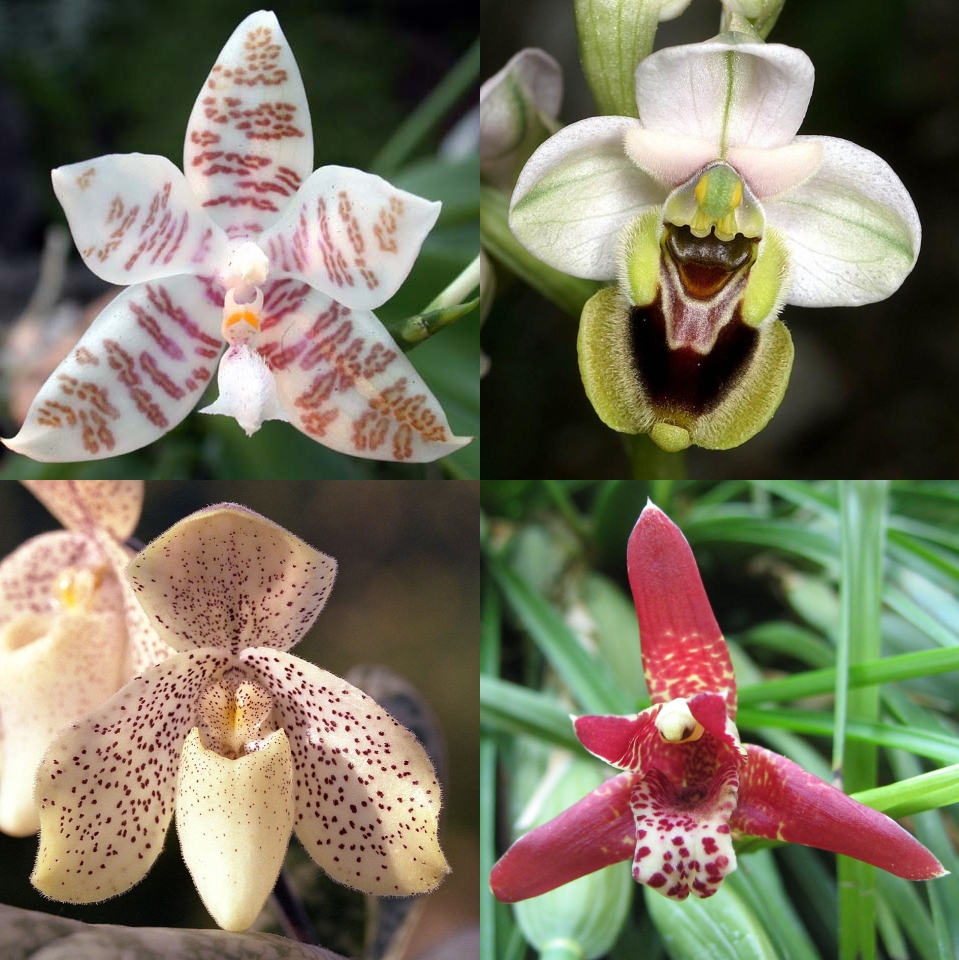 OrchidOrchidaceae
A vast family of colourful, often fragrant flowers found almost everywhere on earth
Orchidaceae · Wildflower
OrchidOrchidaceae
A vast family of colourful, often fragrant flowers found almost everywhere on earth
Orchidaceae · Wildflower
 Vanilla
Climbing orchids with pods used for the world’s most popular flavor
🇲🇽 Mexico and 7 more · Wildflower
Vanilla
Climbing orchids with pods used for the world’s most popular flavor
🇲🇽 Mexico and 7 more · Wildflower
 Orchis
A group of wild orchids with tuberous roots from Europe, North Africa and Asia
🇹🇷 Turkey and 7 more · Wildflower
Orchis
A group of wild orchids with tuberous roots from Europe, North Africa and Asia
🇹🇷 Turkey and 7 more · Wildflower
 VanillaVanilla planifolia
The climbing orchid behind most of the world’s vanilla flavour
🇲🇽 Mexico and 8 more · Wildflower
VanillaVanilla planifolia
The climbing orchid behind most of the world’s vanilla flavour
🇲🇽 Mexico and 8 more · Wildflower