
Vanilla
Vanilla planifolia, family Orchidaceae
The climbing orchid behind most of the world’s vanilla flavour
Vanilla planifolia is an evergreen vine from tropical forests in southern Mexico, Central America, and northern Brazil. Its greenish-yellow flowers produce long pods, which are the main source of natural vanilla flavouring. The plant is grown worldwide for its aromatic pods, but is endangered in the wild.
- Main source of natural vanilla flavouring worldwide
- Native to tropical forests of Mexico, Central America, and Brazil
- Endangered in the wild due to habitat loss
- Flowers last only one day and must be hand-pollinated on farms
- Pods are harvested and cured to produce vanilla extract
What does Vanilla look like?
Vanilla planifolia is a climbing orchid with long, fleshy green stems that can reach up to 30 meters. Its leaves are glossy, bright green, and shaped like narrow ovals, growing up to 25 cm long. The flowers are greenish-yellow, about 5 cm wide, and appear in clusters. Each flower lasts only a day and has a faint scent. After pollination, the plant produces slender pods, often called beans, which are 15–23 cm long and look a bit like small bananas.
Where does Vanilla come from?
This orchid is native to the humid forests stretching from southern Mexico through Central America to northern Brazil. It was first described scientifically in 1808, though it was known and used long before then. The plant spread from its native forests as people began to cultivate it for its valuable pods, which are now grown in tropical regions worldwide. Much of the world’s vanilla comes from plants descended from a single introduction to the Indian Ocean islands in the 1800s. Wild populations are now rare and declining due to habitat loss.
When and how Vanilla blooms
Vanilla planifolia blooms once a year, with flowers opening in spring. In the wild, pollination is rare and depends on certain bees, but on farms, flowers are pollinated by hand. The plant needs a warm, humid climate, well-drained soil, and some shade. It is usually grown from cuttings. After pollination, pods take eight to nine months to mature. Once ripe, they are harvested and cured through fermentation and drying to develop the familiar vanilla flavour.


How Vanilla is used
The main use of Vanilla planifolia is for its pods, which are the source of natural vanilla flavouring used in food and perfume. The pods are also valued for their aroma and are sometimes used in traditional medicine. Because natural pollinators are scarce, most cultivated vanilla is pollinated by hand. The sap can cause skin irritation, so care is needed during harvest.
Kinds of Vanilla
There are only a few named cultivars of Vanilla planifolia, with 'Handa' being the only patented one as of 2023. Most commercial vanilla comes from 'Mansa' types. Two variegated forms are grown as ornamentals. Almost all vanilla grown around the Indian Ocean descends from a single introduction, which has led to low genetic diversity.
What Vanilla means
Vanilla planifolia is the world’s main source of natural vanilla, a flavour prized in cooking and fragrance. Its cultivation was central to rural economies in Mexico and later spread globally. The species is now listed as Endangered due to habitat loss and declining wild populations. The plant’s sap can cause dermatitis in workers. Vanilla’s unique pollination and seed dispersal by animals and bees are rare among orchids.
Where Vanilla is used and seen

Questions people ask about Vanilla
Where does Vanilla planifolia originate?
Vanilla planifolia comes from the tropical forests of southern Mexico, Central America, and northern Brazil. It has since been cultivated in many tropical regions around the world.
What does the vanilla plant look like?
It is a climbing orchid with long, green, fleshy stems and glossy, oval leaves. The flowers are greenish-yellow and grow in clusters, while the pods are long and slender, resembling small bananas.
How is vanilla produced from this plant?
After hand-pollination, the pods mature over eight to nine months. They are then harvested and undergo fermentation and drying, which brings out the vanilla flavour used in foods and perfumes.
Is Vanilla planifolia at risk in the wild?
Yes, it is considered Endangered due to habitat loss and declining numbers in its native forests. Most vanilla is now grown on farms.
Can the plant cause skin irritation?
Yes, the sap from cut stems or pods can cause moderate to severe dermatitis if it touches bare skin, but it can be washed off with water.
Good reading and sources
- Encyclopaedia BritannicaArticle
- IUCN Red List of Threatened SpeciesIUCN Red List, Article
- USDA Plants DatabaseUS Department of Agriculture, Article
- Plants of the World OnlineRoyal Botanic Gardens, Kew, Plant database
- Where it has been recordedGBIF, Plant database
- Sightings and photos by naturalistsiNaturalist, Plant database
- Vanilla planifolia on WikipediaEncyclopedia
- More photos on Wikimedia CommonsPhotos
- Wikidata recordOpen data
The facts on this page come from the Wikipedia article "Vanilla planifolia", written by its contributors and used under the CC BY-SA 4.0 licence, and from its Wikidata record (CC0). Phool rewrote the text in its own words, with AI assistance, and compares every page with the article to make sure no passage is copied. It may be reused under the same CC BY-SA 4.0 licence with a link back.
It may contain mistakes. It is not medical or foraging advice: many flowers are poisonous, and traditional uses are reported, not recommended. If something is wrong, tell us. Last refreshed 2026-10-03.
Others in the family Orchidaceae
The whole family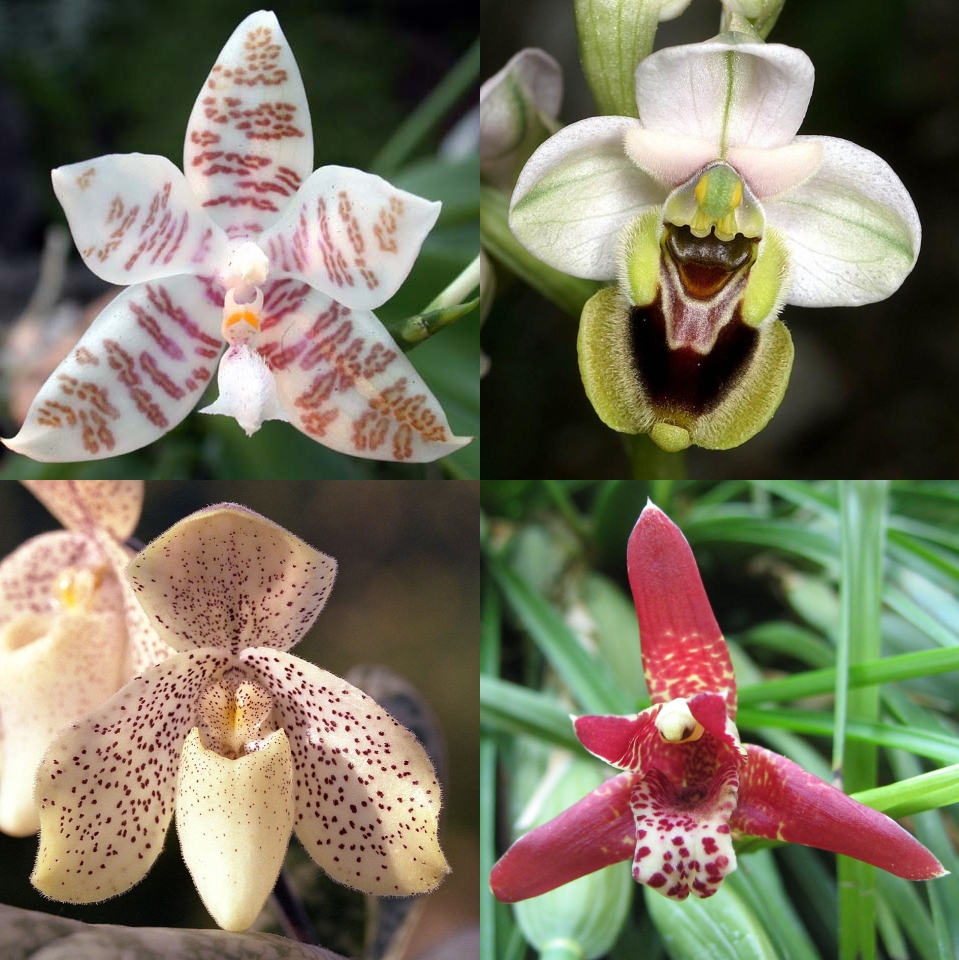 OrchidOrchidaceae
A vast family of colourful, often fragrant flowers found almost everywhere on earth
Orchidaceae · Wildflower
OrchidOrchidaceae
A vast family of colourful, often fragrant flowers found almost everywhere on earth
Orchidaceae · Wildflower
 Vanilla
Climbing orchids with pods used for the world’s most popular flavor
🇲🇽 Mexico and 7 more · Wildflower
Vanilla
Climbing orchids with pods used for the world’s most popular flavor
🇲🇽 Mexico and 7 more · Wildflower
 Orchis
A group of wild orchids with tuberous roots from Europe, North Africa and Asia
🇹🇷 Turkey and 7 more · Wildflower
Orchis
A group of wild orchids with tuberous roots from Europe, North Africa and Asia
🇹🇷 Turkey and 7 more · Wildflower
 Fire star orchidEpidendrum radicans
A bright orange orchid that roots along its whole stem
🇲🇽 Mexico and 7 more · Orchid
Fire star orchidEpidendrum radicans
A bright orange orchid that roots along its whole stem
🇲🇽 Mexico and 7 more · Orchid
More from Mexico
All the flowers of Mexico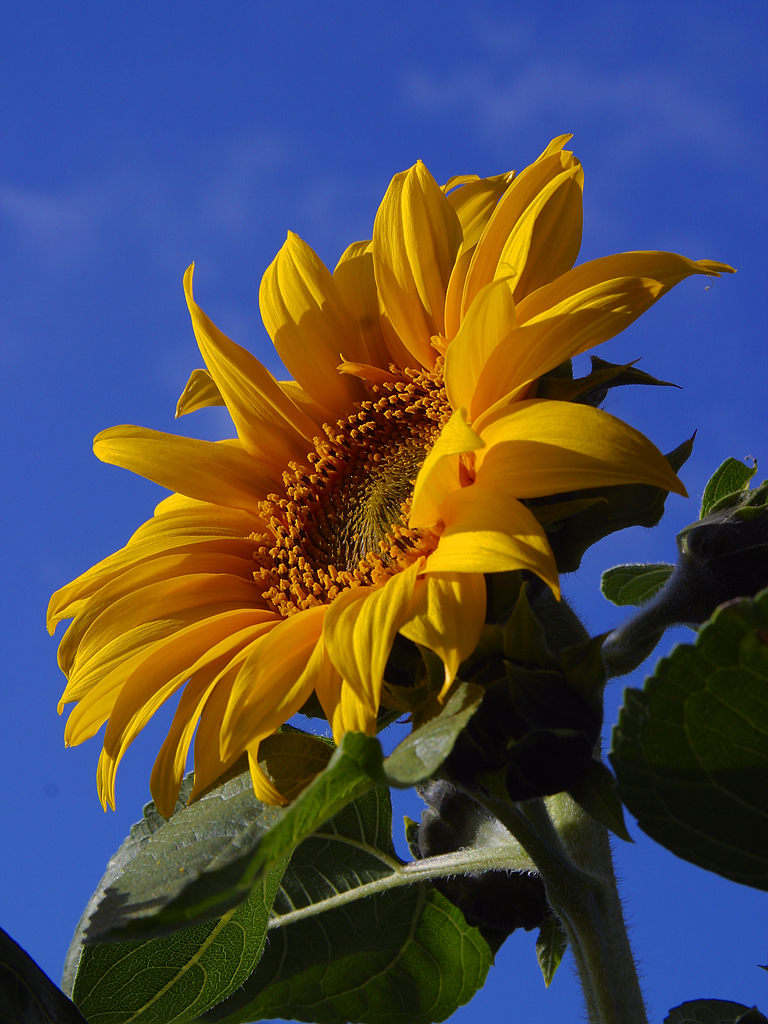 Common sunflowerHelianthus annuus
A tall annual plant grown for its large yellow flower heads and edible seeds
🇨🇦 Canada and 4 more · Wildflower
Common sunflowerHelianthus annuus
A tall annual plant grown for its large yellow flower heads and edible seeds
🇨🇦 Canada and 4 more · Wildflower
 CactusCactaceae
Succulent plants with spines, native to the Americas
🇲🇽 Mexico and 7 more · Wildflower
CactusCactaceae
Succulent plants with spines, native to the Americas
🇲🇽 Mexico and 7 more · Wildflower
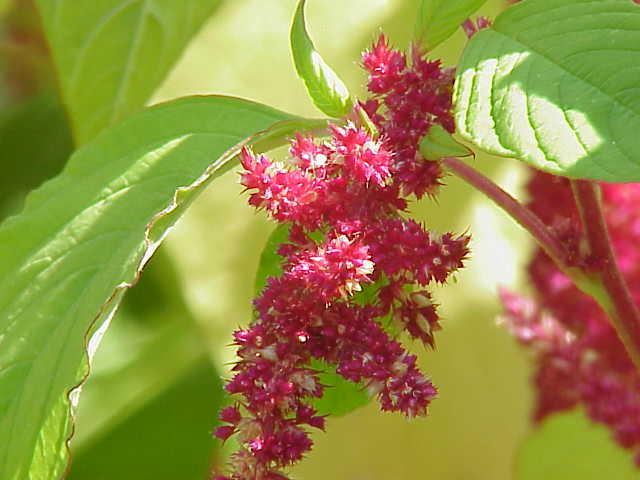 AmaranthAmaranthus
A tall, colourful plant grown for its flowers, leaves and edible seeds
🇲🇽 Mexico and 7 more · Wildflower
AmaranthAmaranthus
A tall, colourful plant grown for its flowers, leaves and edible seeds
🇲🇽 Mexico and 7 more · Wildflower
 HawthornCrataegus
A thorny shrub or tree with white or pink spring flowers and small edible fruits
🇮🇪 Ireland and 7 more · Wildflower
HawthornCrataegus
A thorny shrub or tree with white or pink spring flowers and small edible fruits
🇮🇪 Ireland and 7 more · Wildflower