
Vanilla
Climbing orchids with pods used for the world’s most popular flavor
Vanilla is a genus of about 110 climbing orchids found in tropical and subtropical regions worldwide. Its long, fleshy pods, especially from Vanilla planifolia, are harvested for the vanilla flavor used in foods, drinks, and cosmetics. The flowers are large, pale, and sweet-scented, but each blooms for just one day.
- Vanilla orchids can grow over 35 meters long as climbing vines
- The flowers bloom for a single day and are sweet-scented
- Vanilla planifolia pods are the main source of natural vanilla flavor
- Pods ripen for 8–9 months before harvest
- Hand pollination is used in commercial vanilla production
What does Vanilla look like?
Vanilla orchids are climbing plants that can reach over 35 meters in length. They have long, thin, vine-like stems with thick, leathery, dark green leaves, though some species have reduced or no leaves and use their green stems for photosynthesis. The flowers are large and attractive, with colors ranging from white and cream to greenish yellow. Each flower has a tubular lip and a sweet scent, opening for just one day. After pollination, the plant produces long, fleshy pods known as vanilla beans, which contain thousands of tiny seeds.
Where does Vanilla come from?
The genus Vanilla was established in 1754 and is found across tropical and subtropical regions, from the Americas to Asia, New Guinea, and West Africa. The name comes from the Spanish word for 'little pod.' The most famous species, Vanilla planifolia, is native to Mexico and Belize and is the main source of commercial vanilla. Vanilla orchids have spread to other tropical regions for cultivation, and several species are found in southern Florida in the United States.
When and how Vanilla blooms
Vanilla orchids bloom when mature, producing racemes with many flowers, each opening in the morning and closing by late afternoon. If not pollinated, the flower drops; in cultivation, hand pollination is common. The pollinated flowers develop into long pods that ripen over 8 to 9 months, eventually turning black and aromatic. Vanilla plants need trees or supports to climb, and are grown in plantations with careful hand harvesting of the pods.

How Vanilla is used
Vanilla is best known for its use as a flavoring in foods, beverages, and cosmetics, with the compound vanillin giving its characteristic aroma. The pods are harvested and processed for use in products like ice cream and perfumes. In some regions, species like V. madagascariensis are used in traditional aphrodisiacs. The plants also serve as food for certain moth larvae and as habitat for some animals.
Kinds of Vanilla
There are about 110 species in the Vanilla genus. Notable ones include Vanilla planifolia (flat-leaved vanilla), the main source of commercial vanilla; Vanilla pompona (pompona vanilla); Vanilla mexicana (Mexican vanilla); and several leafless species like Vanilla aphylla and Vanilla barbellata. Some species are known for their unique growth habits or regional uses.
What Vanilla means
Vanilla is regarded as the world's most popular flavor and aroma, especially in foods and perfumes. Its name and use are tied to its distinctive pods, which have become a staple in global cuisine and industry. While its flowers are short-lived, the plant's impact is lasting, and it is cultivated in many tropical countries for its valuable pods.
Questions people ask about Vanilla
Where does vanilla come from?
Vanilla orchids are native to tropical and subtropical regions worldwide, with Vanilla planifolia, the main commercial species, originally from Mexico and Belize.
What does the vanilla plant look like?
Vanilla plants are long, climbing vines with thick, dark green leaves or sometimes no leaves, and they produce large, pale flowers with a sweet scent.
How is vanilla used?
The pods, or 'vanilla beans,' are harvested and processed for flavoring foods, drinks, and perfumes. Some species are also used in traditional medicine.
How are vanilla flowers pollinated?
In the wild, some species are pollinated by specific bees, but in commercial plantations, flowers are usually hand-pollinated to ensure pod production.
What does vanilla symbolize?
The sources do not mention a specific symbolism for vanilla, but it is widely valued for its flavor and aroma.
Good reading and sources
- Encyclopaedia BritannicaArticle
- IUCN Red List of Threatened SpeciesIUCN Red List, Article
- USDA Plants DatabaseUS Department of Agriculture, Article
- Plants of the World OnlineRoyal Botanic Gardens, Kew, Plant database
- Where it has been recordedGBIF, Plant database
- Sightings and photos by naturalistsiNaturalist, Plant database
- Vanilla (genus) on WikipediaEncyclopedia
- More photos on Wikimedia CommonsPhotos
- Wikidata recordOpen data
The facts on this page come from the Wikipedia article "Vanilla (genus)", written by its contributors and used under the CC BY-SA 4.0 licence, and from its Wikidata record (CC0). Phool rewrote the text in its own words, with AI assistance, and compares every page with the article to make sure no passage is copied. It may be reused under the same CC BY-SA 4.0 licence with a link back.
It may contain mistakes. It is not medical or foraging advice: many flowers are poisonous, and traditional uses are reported, not recommended. If something is wrong, tell us. Last refreshed 2026-10-03.
Others in the family Orchidaceae
The whole family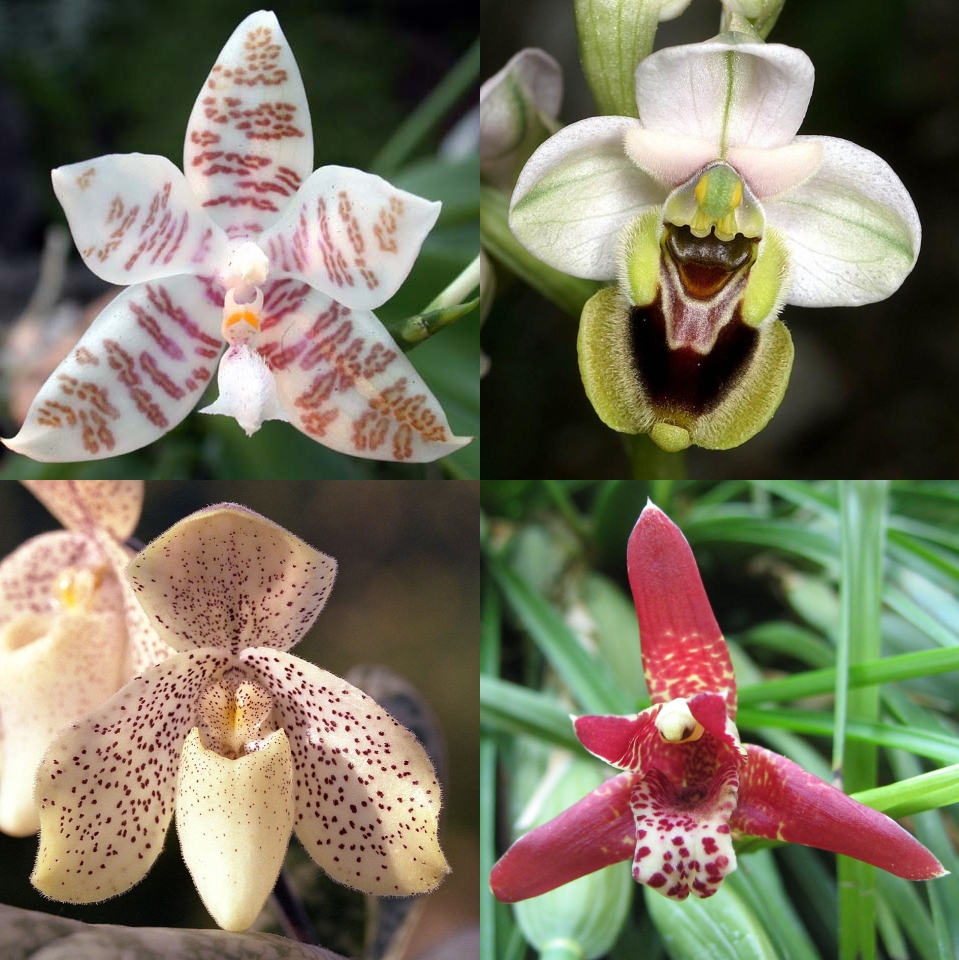 OrchidOrchidaceae
A vast family of colourful, often fragrant flowers found almost everywhere on earth
Orchidaceae · Wildflower
OrchidOrchidaceae
A vast family of colourful, often fragrant flowers found almost everywhere on earth
Orchidaceae · Wildflower
 Orchis
A group of wild orchids with tuberous roots from Europe, North Africa and Asia
🇹🇷 Turkey and 7 more · Wildflower
Orchis
A group of wild orchids with tuberous roots from Europe, North Africa and Asia
🇹🇷 Turkey and 7 more · Wildflower
 Paphiopedilum glaucophyllum
A Southeast Asian slipper orchid with blue-green leaves and striped flowers
🇮🇩 Indonesia · Wildflower
Paphiopedilum glaucophyllum
A Southeast Asian slipper orchid with blue-green leaves and striped flowers
🇮🇩 Indonesia · Wildflower
 Ophrys sphegodes subsp. tauricaՍարդակիր Մեղվակիր, xarı-bülbül, ფუტკრის-დედა
A rare wild orchid from the Caucasus and nearby regions
🇦🇲 Armenia and 7 more · Wildflower
Ophrys sphegodes subsp. tauricaՍարդակիր Մեղվակիր, xarı-bülbül, ფუტკრის-დედა
A rare wild orchid from the Caucasus and nearby regions
🇦🇲 Armenia and 7 more · Wildflower
More from Mexico
All the flowers of Mexico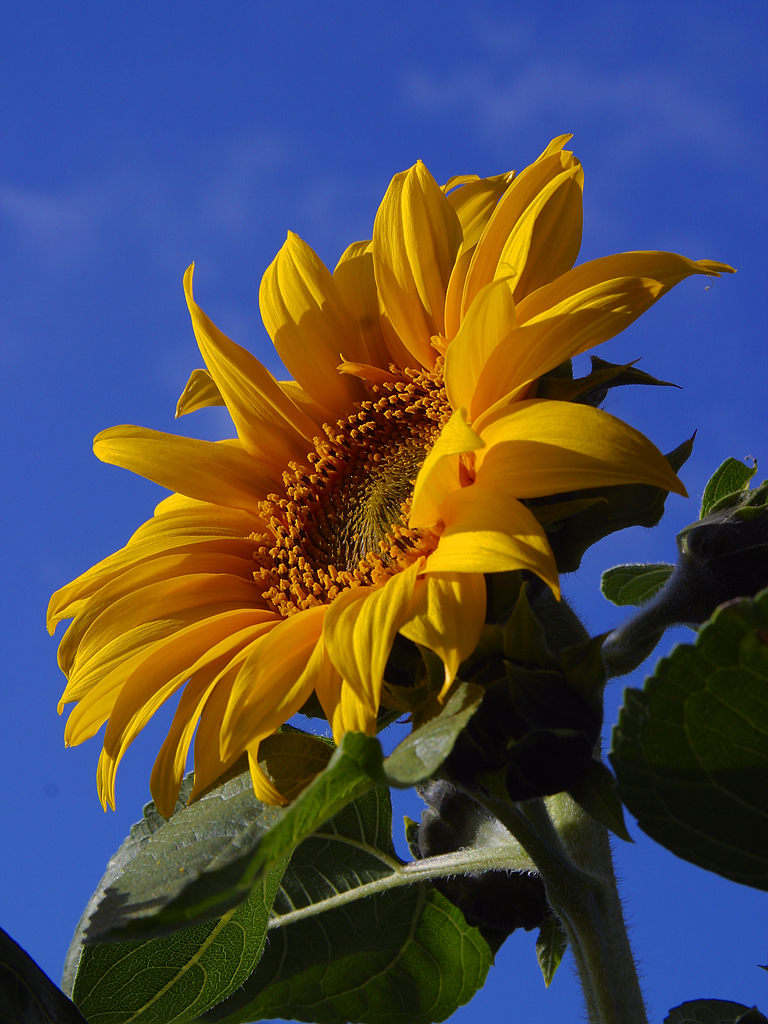 Common sunflowerHelianthus annuus
A tall annual plant grown for its large yellow flower heads and edible seeds
🇨🇦 Canada and 4 more · Wildflower
Common sunflowerHelianthus annuus
A tall annual plant grown for its large yellow flower heads and edible seeds
🇨🇦 Canada and 4 more · Wildflower
 CactusCactaceae
Succulent plants with spines, native to the Americas
🇲🇽 Mexico and 7 more · Wildflower
CactusCactaceae
Succulent plants with spines, native to the Americas
🇲🇽 Mexico and 7 more · Wildflower
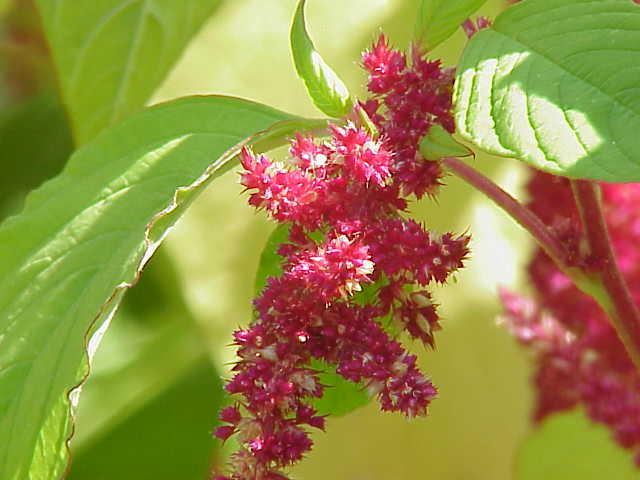 AmaranthAmaranthus
A tall, colourful plant grown for its flowers, leaves and edible seeds
🇲🇽 Mexico and 7 more · Wildflower
AmaranthAmaranthus
A tall, colourful plant grown for its flowers, leaves and edible seeds
🇲🇽 Mexico and 7 more · Wildflower
 HawthornCrataegus
A thorny shrub or tree with white or pink spring flowers and small edible fruits
🇮🇪 Ireland and 7 more · Wildflower
HawthornCrataegus
A thorny shrub or tree with white or pink spring flowers and small edible fruits
🇮🇪 Ireland and 7 more · Wildflower