
Ophrys sphegodes subsp. taurica
In its own language: Սարդակիր Մեղվակիր, xarı-bülbül, ფუტკრის-დედა
A rare wild orchid from the Caucasus and nearby regions
Ophrys sphegodes subsp. taurica is a wild orchid found from southeastern Europe into the Caucasus and parts of Western Asia. Its flowers change from white to pink and display a mix of colors and patterns, inspiring local names and cultural events in Armenia, Azerbaijan, and Georgia.
- Known as khari-bulbul in Azerbaijan and a symbol of peace and love
- Flowers shift from white to pink, blending several colors and patterns
- Native to Armenia, Azerbaijan, Georgia, and parts of Russia
- Listed as endangered on the IUCN Red List
What does Ophrys sphegodes subsp. taurica look like?
This orchid has flowers that begin white and gradually shift to pink as they mature. The petals and sepals can show a blend of green, yellow, and red, and the lip often features distinct markings or patterns. The plant is recognized for its unusual and varied coloration, which can appear different depending on the viewing angle. Its overall look has led to names that reference both insects and shimmering fabrics in local languages.
Where does Ophrys sphegodes subsp. taurica come from?
Ophrys sphegodes subsp. taurica grows naturally in regions stretching from the Balkans through the Caucasus and into parts of Western Asia, including Iran. It has been recorded in Armenia, Azerbaijan, Georgia, and southern Russia, as well as in countries such as Greece, Turkey, and Cyprus. The plant’s local names reflect both its pollinators and its appearance, with references to bees, spiders, and the changing colors of woven cloth. Its presence in these areas has made it a subject of local interest and study.
When and how Ophrys sphegodes subsp. taurica blooms
This orchid blooms in the wild, typically in grasslands or open woodlands. The flowers emerge and change color as they develop, with the lip showing intricate patterns. The plant is not widely cultivated and is mainly observed in its natural habitats, where it depends on specific pollinators for reproduction. Its growth and flowering are tied to the local climate and soil conditions of its native regions.
How Ophrys sphegodes subsp. taurica is used
Ophrys sphegodes subsp. taurica is valued as a regional symbol, especially in Azerbaijan, where it is known as khari-bulbul. Exhibitions and presentations have featured this orchid, highlighting its significance in local culture and its association with peace and love. It is not commonly used in gardens or for decoration, but its image and name appear in cultural events and displays.
Kinds of Ophrys sphegodes subsp. taurica
This plant is a subspecies of Ophrys sphegodes and is also known by the synonym Ophrys caucasica. Its appearance can vary, with flower colors and patterns shifting depending on the stage of growth and local conditions. The names and symbolism attached to it differ across languages and regions, reflecting its diverse cultural ties.
What Ophrys sphegodes subsp. taurica means
The orchid holds symbolic meaning in the Caucasus, particularly in Azerbaijan, where it is linked to peace and love. Its Azerbaijani name refers to a special fabric known for changing color, drawing a parallel to the flower’s shifting hues. Events and exhibitions have celebrated the plant, and it is listed as endangered, highlighting the need for conservation.
Questions people ask about Ophrys sphegodes subsp. taurica
Where does Ophrys sphegodes subsp. taurica grow naturally?
This orchid is native to southeastern Europe, the Caucasus region, and parts of Western Asia, including Armenia, Azerbaijan, Georgia, Russia, Iran, Greece, Turkey, and Cyprus.
What does the flower look like?
The flowers start out white and turn pink as they mature, with petals and lips that blend green, yellow, and red. The lip also shows distinctive patterns, and the overall color can appear different from various angles.
Why is it called khari-bulbul in Azerbaijan?
The Azerbaijani name khari-bulbul refers to a shiny, patterned fabric that changes color depending on how it is viewed, much like the flower’s shifting appearance.
Is Ophrys sphegodes subsp. taurica endangered?
Yes, this orchid is listed as endangered on the IUCN Red List due to its limited and declining habitat.
What cultural importance does this orchid have?
It is a regional symbol in Azerbaijan and has been featured in exhibitions and events celebrating peace and love, reflecting its role in local traditions and identity.
Good reading and sources
The facts on this page come from the Wikipedia article "Ophrys sphegodes subsp. taurica", written by its contributors and used under the CC BY-SA 4.0 licence, and from its Wikidata record (CC0). Phool rewrote the text in its own words, with AI assistance, and compares every page with the article to make sure no passage is copied. It may be reused under the same CC BY-SA 4.0 licence with a link back.
It may contain mistakes. It is not medical or foraging advice: many flowers are poisonous, and traditional uses are reported, not recommended. If something is wrong, tell us. Last refreshed 2026-10-03.
Others in the family Orchidaceae
The whole family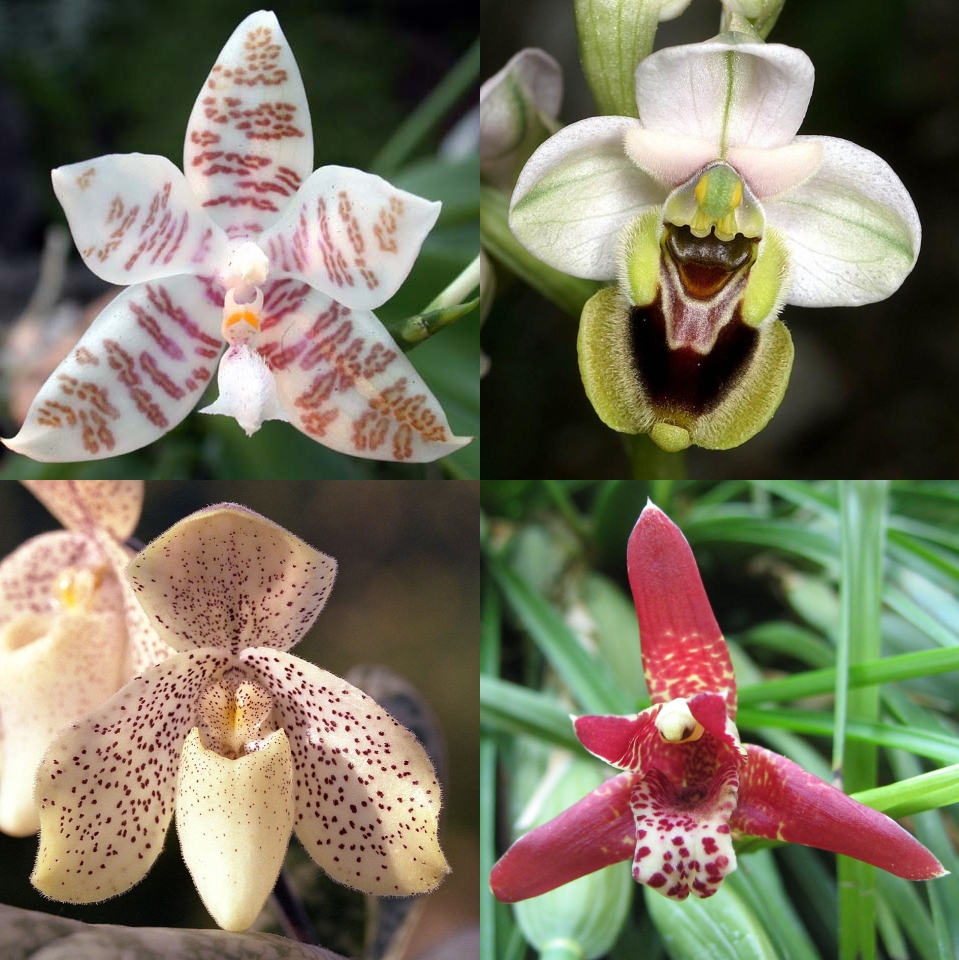 OrchidOrchidaceae
A vast family of colourful, often fragrant flowers found almost everywhere on earth
Orchidaceae · Wildflower
OrchidOrchidaceae
A vast family of colourful, often fragrant flowers found almost everywhere on earth
Orchidaceae · Wildflower
 Vanilla
Climbing orchids with pods used for the world’s most popular flavor
🇲🇽 Mexico and 7 more · Wildflower
Vanilla
Climbing orchids with pods used for the world’s most popular flavor
🇲🇽 Mexico and 7 more · Wildflower
 Orchis
A group of wild orchids with tuberous roots from Europe, North Africa and Asia
🇹🇷 Turkey and 7 more · Wildflower
Orchis
A group of wild orchids with tuberous roots from Europe, North Africa and Asia
🇹🇷 Turkey and 7 more · Wildflower
 Waling-walingVanda sanderiana
A rare orchid known as the 'Queen of Philippine flowers'
🇵🇭 Philippines · Orchid
Waling-walingVanda sanderiana
A rare orchid known as the 'Queen of Philippine flowers'
🇵🇭 Philippines · Orchid
More from Armenia
All the flowers of Armenia Forget-me-notMyosotis
Small blue wildflowers known for remembrance and love
🇳🇿 New Zealand and 7 more · Wildflower
Forget-me-notMyosotis
Small blue wildflowers known for remembrance and love
🇳🇿 New Zealand and 7 more · Wildflower
 White Water-lilyNymphaea alba
A floating white flower of ponds and lakes across Europe and Asia
🇸🇪 Sweden and 5 more · Wildflower
White Water-lilyNymphaea alba
A floating white flower of ponds and lakes across Europe and Asia
🇸🇪 Sweden and 5 more · Wildflower
 Sprenger's tulipTulipa sprengeri
A bright red wild tulip from Amasya, Turkey, once thought extinct
🇹🇷 Turkey and 2 more · Wildflower
Iberian irisIris iberica
A rare, boldly veined iris from the Caucasus steppes
🇬🇪 Georgia and 4 more · Wildflower
Sprenger's tulipTulipa sprengeri
A bright red wild tulip from Amasya, Turkey, once thought extinct
🇹🇷 Turkey and 2 more · Wildflower
Iberian irisIris iberica
A rare, boldly veined iris from the Caucasus steppes
🇬🇪 Georgia and 4 more · Wildflower