
Centaurea
A large group of thistle-like wildflowers with many forms and colours
Centaurea is a genus of over 700 flowering plants, often called knapweeds or starthistles. Found mainly in the Northern Hemisphere, especially around the Middle East, their flowers can be blue, red, yellow, or white and attract many pollinators. Some species are valued in fields and meadows, while others can become invasive weeds.
- Over 700 species in the Centaurea genus
- Flowers come in blue, red, yellow, white, and mixed colours
- Important nectar source for bees and butterflies
- Some species are invasive outside their native range
- A few rare species are endangered or nearly extinct
What does Centaurea look like?
Plants in the Centaurea group are usually upright and sturdy, with leaves that are often deeply cut and sometimes spiny, especially near the base. The flower heads sit on scaly, basket-like bases and show a wide range of colours, including bright blue, red, yellow, and white, sometimes with mixed shades. The flowers are made up of central disk florets and outer ray florets, which can look quite different from each other. Some species have a strong taproot, especially those from drier places.
Where does Centaurea come from?
Centaurea species grow naturally across the Northern Hemisphere, with the greatest variety found in the Middle East and surrounding areas. Some species are unique to small regions or even a single island or valley, such as those in Cyprus and the western Caucasus. The name 'Centaurea' is linked to the centaur Chiron from Greek mythology, who was said to have found medicinal uses for these plants. Over time, some species have spread widely and become common in fields and grasslands.
When and how Centaurea blooms
These plants usually grow in grasslands, meadows, or open fields, often on calcareous or lime-rich soils. They can be started from seed and are known for their ability to thrive in a range of conditions. Many species bloom for a long period and produce abundant nectar, making them attractive to insects. Some are grown in gardens for their colourful flowers, while others appear naturally in wild areas.


How Centaurea is used
Centaurea flowers are important for wildlife, providing nectar for butterflies, moths, and bees. In some places, they are encouraged near farms to support pollinators and beneficial insects. Certain species are used as honey plants, producing a light, tangy honey. While some are valued for their beauty or ecological benefits, others can become troublesome weeds, especially outside their native range. A few species are used in traditional medicine.
Kinds of Centaurea
The genus includes over 700 species, ranging from widespread types like common knapweed to rare endemics found only in specific regions. Some, such as the Akamas Centaurea in Cyprus, are almost extinct. The group also includes forms known as basketflowers and cornflowers, each with their own appearance and uses.
What Centaurea means
Centaurea species have inspired names and stories, such as their link to Greek mythology. Some serve as emblems for regions or are featured in local traditions. Their role as nectar plants makes them important for supporting pollinators in both wild and farmed landscapes. Conservation is a concern for certain rare species, especially those with very limited ranges.
Questions people ask about Centaurea
Where do Centaurea plants come from?
Centaurea species are native to the Northern Hemisphere, with the greatest diversity found in the Middle East and nearby regions. Some species are unique to specific islands or valleys.
What do Centaurea flowers look like?
Their flowers can be blue, red, yellow, white, or a mix of these, with a basket-like base and both central and outer florets. The leaves are often deeply divided and sometimes spiny.
Are Centaurea plants useful for wildlife?
Yes, they are major nectar producers and attract many insects, including butterflies, moths, and bees. Some species are important honey plants for beekeepers.
Can Centaurea species become invasive?
Some types, especially when introduced outside their native range, can spread aggressively and become problematic weeds, affecting agriculture and native plants.
Are any Centaurea species endangered?
Yes, several species with very limited ranges, such as those in Cyprus and the Caucasus, are rare or nearly extinct due to habitat loss and other threats.
Good reading and sources
- Encyclopaedia BritannicaArticle
- USDA Plants DatabaseUS Department of Agriculture, Article
- Plants of the World OnlineRoyal Botanic Gardens, Kew, Plant database
- Where it has been recordedGBIF, Plant database
- Sightings and photos by naturalistsiNaturalist, Plant database
The facts on this page come from the Wikipedia article "Centaurea", written by its contributors and used under the CC BY-SA 4.0 licence, and from its Wikidata record (CC0). Phool rewrote the text in its own words, with AI assistance, and compares every page with the article to make sure no passage is copied. It may be reused under the same CC BY-SA 4.0 licence with a link back.
It may contain mistakes. It is not medical or foraging advice: many flowers are poisonous, and traditional uses are reported, not recommended. If something is wrong, tell us. Last refreshed 2026-10-03.
Others in the family Asteraceae
The whole family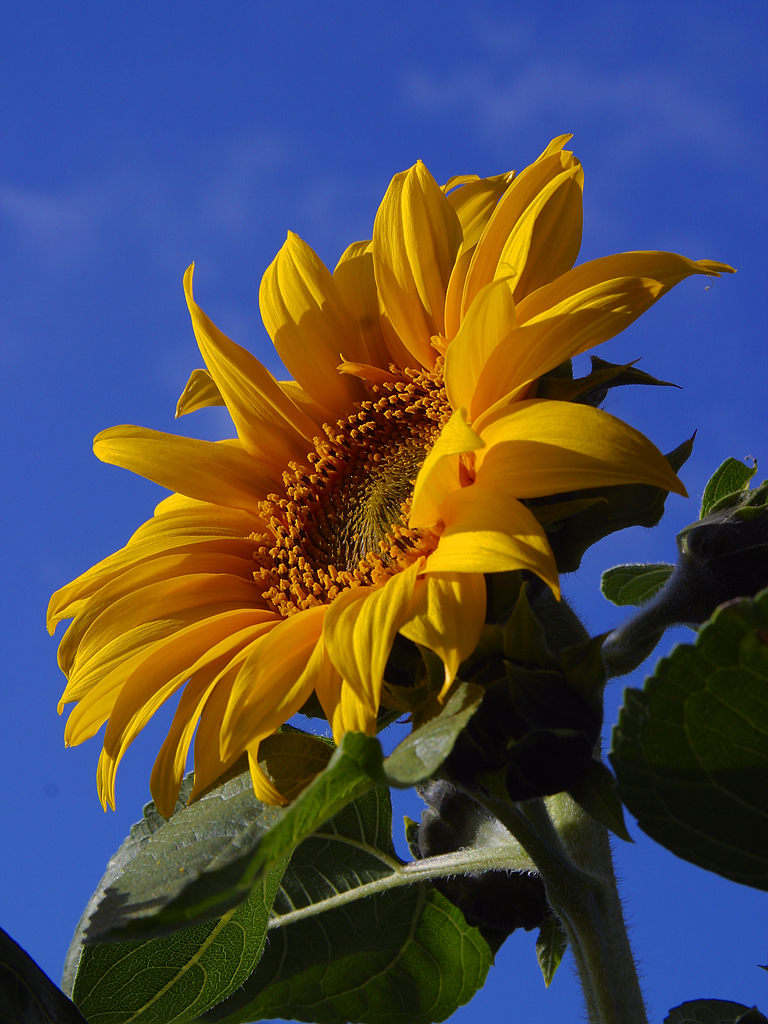 Common sunflowerHelianthus annuus
A tall annual plant grown for its large yellow flower heads and edible seeds
🇨🇦 Canada and 4 more · Wildflower
Common sunflowerHelianthus annuus
A tall annual plant grown for its large yellow flower heads and edible seeds
🇨🇦 Canada and 4 more · Wildflower
 Chrysanthemum菊花
Autumn-blooming flower with thousands of varieties, cherished in East Asia and beyond
🇨🇳 China and 6 more · Wildflower
Chrysanthemum菊花
Autumn-blooming flower with thousands of varieties, cherished in East Asia and beyond
🇨🇳 China and 6 more · Wildflower
 Asteraceae
The vast family of daisies, asters, and sunflowers with star-like flower heads
Asteraceae · Wildflower
Asteraceae
The vast family of daisies, asters, and sunflowers with star-like flower heads
Asteraceae · Wildflower
 DandelionTaraxacum
A yellow-flowered perennial found in fields, lawns, and gardens worldwide
Taraxacum · Wildflower
DandelionTaraxacum
A yellow-flowered perennial found in fields, lawns, and gardens worldwide
Taraxacum · Wildflower