
Common knapweed
Centaurea nigra, family Asteraceae
A tough meadow flower with purple blooms and dark-tipped bracts
Common knapweed is a perennial wildflower from central Europe, now also found in North America and Australasia. It grows upright to about a metre, with purple to reddish flower heads that attract many insects and birds. While valued for biodiversity in meadows, it is often seen as a weed outside its native range.
- Native to central Europe, now widespread in other temperate regions
- Purple to reddish flower heads with dark-tipped bracts
- Blooms from June to September in its native area
- Supports many pollinators and birds with nectar and seeds
- Considered invasive in North America, Australia, and New Zealand
What does Common knapweed look like?
This plant grows upright, reaching up to one metre tall. It starts with a rosette of long, plain leaves at the base, then sends up stems that turn purple as they mature. The flower heads are rounded, about 1 to 2 centimetres across, and hold small purple to reddish flowers. Each flower cluster is edged with dark bracts, giving the heads a blackish look. The leaves on the stems are smaller, grey-green, and feel a bit rough.
Where does Common knapweed come from?
Common knapweed is native to central parts of Europe. Over time, it has been introduced to places with similar climates, such as North America, Australia, and New Zealand. In these new areas, it often spreads quickly and can outcompete local plants, leading to its reputation as a weed. Its scientific name is Centaurea nigra, and it belongs to the daisy family.
When and how Common knapweed blooms
This perennial grows from spreading underground stems called rhizomes. It forms a leafy base before sending up flowering stems in summer. Flowering usually starts in June or July and continues into September. The plant produces light brown seeds with short bristles. It thrives in meadows and field edges, especially where the soil is not too wet.


How Common knapweed is used
In its home region, common knapweed is valued for supporting insects and birds, as its flowers provide plenty of nectar and pollen. It is sometimes planted in wildflower meadows to boost biodiversity. In other countries, it is often seen as a weed because it can take over grasslands and farmland, crowding out native plants.
Kinds of Common knapweed
There are several plants that look much like common knapweed, including brown knapweed and greater knapweed. It can also cross with brown knapweed, producing a fertile hybrid. Other relatives include creeping knapweed and star thistle.
What Common knapweed means
This wildflower is important for wildlife, especially pollinators and seed-eating birds. In its native range, it is considered a positive addition to meadows for its role in supporting biodiversity. In places where it has spread, it is often controlled to protect local ecosystems.
Questions people ask about Common knapweed
Where does common knapweed come from?
Common knapweed is native to central Europe but has spread to North America, Australia, and New Zealand, where it often grows in meadows and grasslands.
What does common knapweed look like?
It is an upright perennial with a leafy base, purple to reddish rounded flower heads edged with dark bracts, and rough grey-green leaves.
Why is common knapweed important for wildlife?
Its flowers produce large amounts of nectar and pollen, attracting many insects and birds, making it valuable for biodiversity in meadows.
Is common knapweed considered a weed?
Yes, in places outside its native range, such as North America and Australasia, it spreads quickly and can crowd out native plants, so it is often managed as a weed.
Are there similar plants to common knapweed?
Yes, it resembles other knapweeds like brown knapweed and greater knapweed, and can hybridize with some of them.
Good reading and sources
- USDA Plants DatabaseUS Department of Agriculture, Article
- Centaurea nigraRoyal Horticultural Society, Article
- Plants of the World OnlineRoyal Botanic Gardens, Kew, Plant database
- Where it has been recordedGBIF, Plant database
- Sightings and photos by naturalistsiNaturalist, Plant database
- Centaurea nigra on WikipediaEncyclopedia
- More photos on Wikimedia CommonsPhotos
- Wikidata recordOpen data
The facts on this page come from the Wikipedia article "Centaurea nigra", written by its contributors and used under the CC BY-SA 4.0 licence, and from its Wikidata record (CC0). Phool rewrote the text in its own words, with AI assistance, and compares every page with the article to make sure no passage is copied. It may be reused under the same CC BY-SA 4.0 licence with a link back.
It may contain mistakes. It is not medical or foraging advice: many flowers are poisonous, and traditional uses are reported, not recommended. If something is wrong, tell us. Last refreshed 2026-10-03.
Others in the family Asteraceae
The whole family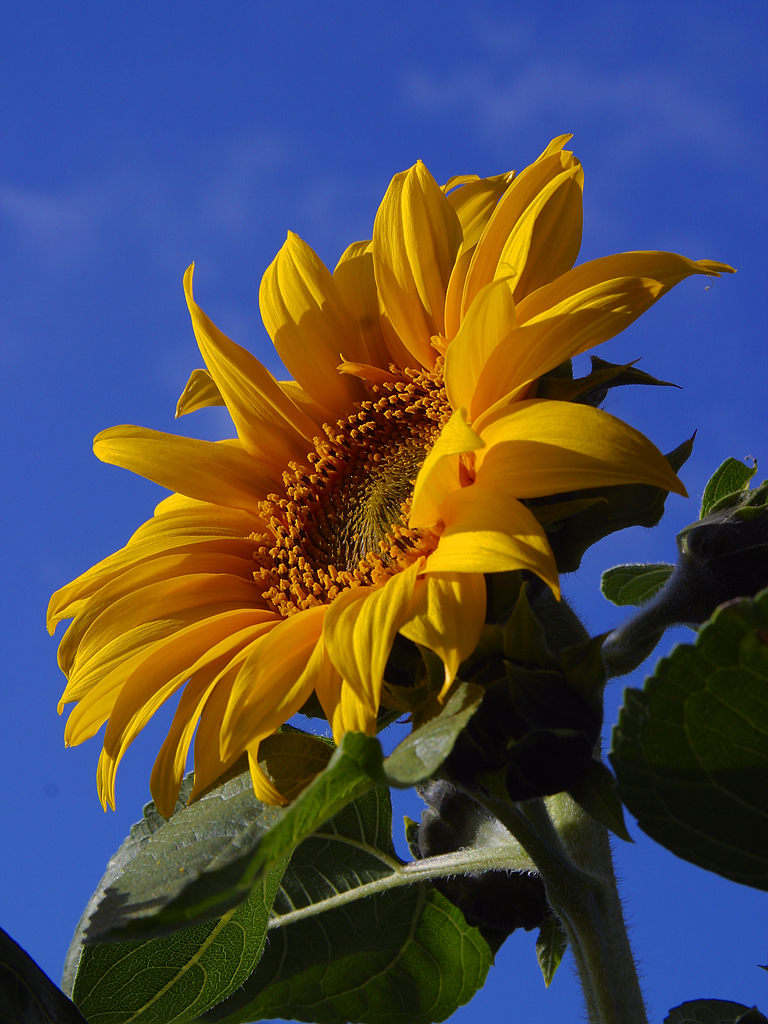 Common sunflowerHelianthus annuus
A tall annual plant grown for its large yellow flower heads and edible seeds
🇨🇦 Canada and 4 more · Wildflower
Common sunflowerHelianthus annuus
A tall annual plant grown for its large yellow flower heads and edible seeds
🇨🇦 Canada and 4 more · Wildflower
 Chrysanthemum菊花
Autumn-blooming flower with thousands of varieties, cherished in East Asia and beyond
🇨🇳 China and 6 more · Wildflower
Chrysanthemum菊花
Autumn-blooming flower with thousands of varieties, cherished in East Asia and beyond
🇨🇳 China and 6 more · Wildflower
 Asteraceae
The vast family of daisies, asters, and sunflowers with star-like flower heads
Asteraceae · Wildflower
Asteraceae
The vast family of daisies, asters, and sunflowers with star-like flower heads
Asteraceae · Wildflower
 DandelionTaraxacum
A yellow-flowered perennial found in fields, lawns, and gardens worldwide
Taraxacum · Wildflower
DandelionTaraxacum
A yellow-flowered perennial found in fields, lawns, and gardens worldwide
Taraxacum · Wildflower