
Cistanthe
Small succulent wildflowers called pussypaws, found in the Americas
Cistanthe is a group of small, succulent flowering plants known as pussypaws. These plants grow in dry regions from California and Mexico to Chile and Argentina, often showing bright flowers packed in fluffy clusters. Many species are adapted to survive with little rainfall.
- Cistanthe plants are called pussypaws for their fluffy flower clusters.
- They grow wild from California and Mexico to Chile and Argentina.
- Many species can survive with almost no rainfall.
What does Cistanthe look like?
Cistanthe plants are small succulents, meaning they have thick, fleshy leaves that store water. Their flowers can be brightly colored and are sometimes packed tightly together, forming fluffy-looking clusters. This fluffy appearance is what gives them the name 'pussypaws.' The look of the plant can vary a lot between different species, but most are low-growing and adapted to dry, open places.
Where does Cistanthe come from?
Cistanthe is native to areas with dry climates, including California, northeastern Mexico, Pacific islands off Mexico, and a stretch of South America from Peru through Chile to Argentina. The genus was created to group together species that were once part of Calandrinia and other related genera. Over time, botanists moved several species into Cistanthe as they learned more about their relationships.
When and how Cistanthe blooms
These plants bloom in arid or semi-arid conditions, often where rainfall is scarce. They are adapted to survive with little water, storing moisture in their leaves. Cistanthe species grow wild, and their flowers appear in clusters, sometimes densely packed. They are not widely grown in gardens, but are found naturally in dry, open habitats.


How Cistanthe is used
There are no widely recorded uses for Cistanthe in gardens, decoration, or traditional practices. They are mainly known as wildflowers of arid regions, valued for their ability to survive harsh conditions and for their bright, clustered blooms in the wild.
Kinds of Cistanthe
The genus Cistanthe includes several species, each with its own look and habitat. Some well-known former members, now placed in other genera, include Parry's pussypaws and Mariposa pussypaws. The appearance and flower structure can differ a lot between species, from tightly packed clusters to more open blooms.
What Cistanthe means
Cistanthe does not have a strong presence in symbolism, religion, or art. Its main significance comes from its adaptation to dry environments and its role in the wild landscapes of the Americas. The fluffy flower clusters are a distinctive feature that makes these plants recognizable in their native habitats.
Where to see Cistanthe
Questions people ask about Cistanthe
Where does Cistanthe come from?
Cistanthe is native to dry regions in California, northeastern Mexico, Pacific Mexican islands, and parts of South America from Peru to Argentina and Chile.
What does Cistanthe look like?
Cistanthe plants are small succulents with thick leaves and often have bright flowers packed in fluffy clusters, though their appearance can vary between species.
Why are they called pussypaws?
The name 'pussypaws' comes from the fluffy, tightly packed flower clusters that resemble the soft paws of a cat.
How does Cistanthe survive in dry places?
Cistanthe species store water in their fleshy leaves and are adapted to arid climates, allowing them to live where rainfall is very limited.
Good reading and sources
- USDA Plants DatabaseUS Department of Agriculture, Article
- Plants of the World OnlineRoyal Botanic Gardens, Kew, Plant database
- Where it has been recordedGBIF, Plant database
- Sightings and photos by naturalistsiNaturalist, Plant database
The facts on this page come from the Wikipedia article "Cistanthe", written by its contributors and used under the CC BY-SA 4.0 licence, and from its Wikidata record (CC0). Phool rewrote the text in its own words, with AI assistance, and compares every page with the article to make sure no passage is copied. It may be reused under the same CC BY-SA 4.0 licence with a link back.
It may contain mistakes. It is not medical or foraging advice: many flowers are poisonous, and traditional uses are reported, not recommended. If something is wrong, tell us. Last refreshed 2026-10-03.
Others in the family Montiaceae
The whole family BitterrootLewisia rediviva
A small pink or white wildflower of dry western North America, Montana’s state flower
Lewisia rediviva · Wildflower
BitterrootLewisia rediviva
A small pink or white wildflower of dry western North America, Montana’s state flower
Lewisia rediviva · Wildflower
 Virginia springbeautyClaytonia virginica
A small pink or white wildflower of eastern North American forests
Claytonia virginica · Wildflower
Virginia springbeautyClaytonia virginica
A small pink or white wildflower of eastern North American forests
Claytonia virginica · Wildflower
 Calandrinia
A genus of colourful-flowered herbs from the Americas, often red or purple
🇦🇺 Australia and 1 more · Herb or useful flower
Calandrinia
A genus of colourful-flowered herbs from the Americas, often red or purple
🇦🇺 Australia and 1 more · Herb or useful flower
More from Mexico
All the flowers of Mexico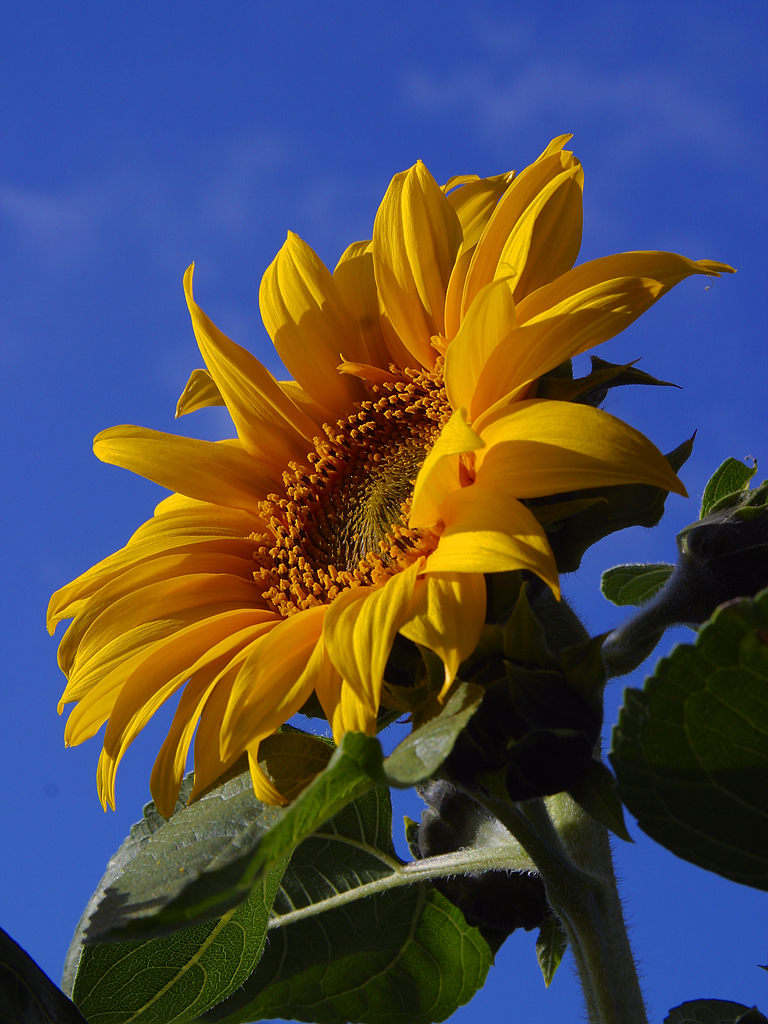 Common sunflowerHelianthus annuus
A tall annual plant grown for its large yellow flower heads and edible seeds
🇨🇦 Canada and 4 more · Wildflower
Common sunflowerHelianthus annuus
A tall annual plant grown for its large yellow flower heads and edible seeds
🇨🇦 Canada and 4 more · Wildflower
 CactusCactaceae
Succulent plants with spines, native to the Americas
🇲🇽 Mexico and 7 more · Wildflower
CactusCactaceae
Succulent plants with spines, native to the Americas
🇲🇽 Mexico and 7 more · Wildflower
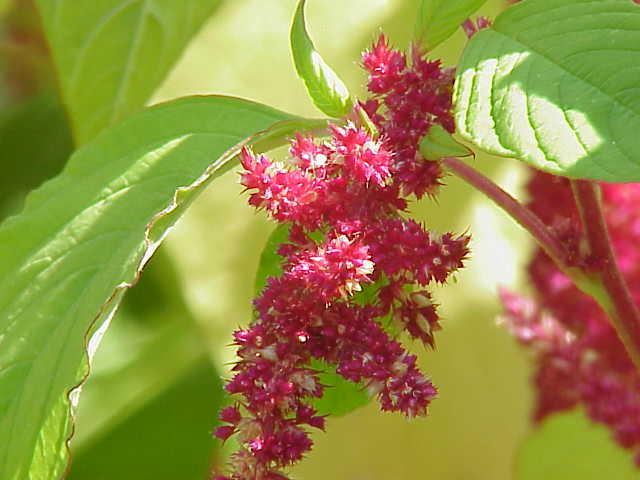 AmaranthAmaranthus
A tall, colourful plant grown for its flowers, leaves and edible seeds
🇲🇽 Mexico and 7 more · Wildflower
AmaranthAmaranthus
A tall, colourful plant grown for its flowers, leaves and edible seeds
🇲🇽 Mexico and 7 more · Wildflower
 HawthornCrataegus
A thorny shrub or tree with white or pink spring flowers and small edible fruits
🇮🇪 Ireland and 7 more · Wildflower
HawthornCrataegus
A thorny shrub or tree with white or pink spring flowers and small edible fruits
🇮🇪 Ireland and 7 more · Wildflower