
Crinum
Large bulbous lilies with showy flowers from tropical and subtropical wetlands
Crinum is a group of perennial plants with large bulbs and striking flowers, found in seasonally wet places across tropical and subtropical regions. Many species have showy blossoms on tall, leafless stems, and some are grown for gardens or aquariums.
- Crinum includes about 180 species of large, bulbous plants
- Flowers are showy and often white or pink, on tall, leafless stems
- Many species grow in marshes, swamps, and wet places worldwide
- Some Crinum are used in aquariums and aquascaping
- The genus was named by Carl Linnaeus in 1753
What does Crinum look like?
Crinum plants grow from large, tunicate bulbs and produce long, smooth leaves that emerge from the base. Their flowers are usually large and can be either symmetrical or slightly irregular, appearing on tall, leafless stalks. The blooms are often white or pink and are grouped in clusters, making them stand out in marshy or wetland areas. Some species are especially notable for their size, with bulbs reaching nearly a meter high.
Where does Crinum come from?
Crinum is native to seasonally moist habitats such as marshes, swamps, and the edges of streams and lakes in tropical and subtropical regions around the world. The genus was described by Carl Linnaeus in 1753, and its name comes from the Ancient Greek word for lily. Over time, Crinum species have been recognized for their striking appearance and have spread through cultivation and natural dispersal.
When and how Crinum blooms
Crinum plants grow from bulbs, which can be planted in moist, well-drained soil in climates that do not freeze. They thrive in areas with seasonal moisture, such as wetlands or along water bodies. Some species are adapted for use in aquariums, where they are valued for their decorative foliage and ability to grow submerged.


How Crinum is used
Several Crinum species are grown as ornamental plants in gardens for their showy flowers. Others are popular in aquariums and aquascaping, where their long leaves and ability to grow in water make them attractive. Their striking appearance makes them a choice for home decoration, especially in regions where they grow well.
Kinds of Crinum
There are about 180 species of Crinum, with notable examples including Crinum americanum (southern swamplily), Crinum asiaticum (poisonbulb), and Crinum bulbispermum (hardy swamplily). Hybrids like Crinum × powellii, which has pale pink, fragrant flowers, are also grown in gardens. Some species are adapted to aquatic environments and are used in aquariums.
What Crinum means
The name Crinum is derived from the Greek word for lily, reflecting the flower's appearance. While the genus includes many species, some have become popular in horticulture and aquarium keeping. There is no mention of specific symbolic meanings or cultural roles in the sources, but their large, showy flowers have made them a favorite among plant enthusiasts.
Questions people ask about Crinum
Where do Crinum plants come from?
Crinum species are found in seasonally wet areas such as marshes and swamps across tropical and subtropical regions worldwide.
What do Crinum flowers look like?
Crinum flowers are large, usually white or pink, and appear in clusters on tall, leafless stalks rising from the bulbs.
Are Crinum plants used for anything special?
Some Crinum species are grown as ornamental plants in gardens for their showy flowers, while others are used in aquariums and aquascaping.
How many species of Crinum are there?
There are about 180 species of Crinum, with a variety of forms adapted to different wetland and aquatic habitats.
What does the name Crinum mean?
The name Crinum comes from the Ancient Greek word for lily, reflecting the flower's lily-like appearance.
Good reading and sources
- Encyclopaedia BritannicaArticle
- USDA Plants DatabaseUS Department of Agriculture, Article
- Plants of the World OnlineRoyal Botanic Gardens, Kew, Plant database
- Where it has been recordedGBIF, Plant database
- Sightings and photos by naturalistsiNaturalist, Plant database
The facts on this page come from the Wikipedia article "Crinum", written by its contributors and used under the CC BY-SA 4.0 licence, and from its Wikidata record (CC0). Phool rewrote the text in its own words, with AI assistance, and compares every page with the article to make sure no passage is copied. It may be reused under the same CC BY-SA 4.0 licence with a link back.
It may contain mistakes. It is not medical or foraging advice: many flowers are poisonous, and traditional uses are reported, not recommended. If something is wrong, tell us. Last refreshed 2026-10-03.
Others in the family Amaryllidaceae
The whole family Narcissus
Spring-flowering bulbs with trumpet-shaped blooms in white, yellow, and orange
🇬🇧 United Kingdom and 7 more · Wildflower
Narcissus
Spring-flowering bulbs with trumpet-shaped blooms in white, yellow, and orange
🇬🇧 United Kingdom and 7 more · Wildflower
 Allium
The genus of onions, garlic, leeks, chives and their wild relatives
Allium · Wildflower
Allium
The genus of onions, garlic, leeks, chives and their wild relatives
Allium · Wildflower
 Wild GarlicAllium ursinum
A wild woodland plant with star-shaped white flowers and edible leaves
🇮🇪 Ireland · Wildflower
Wild GarlicAllium ursinum
A wild woodland plant with star-shaped white flowers and edible leaves
🇮🇪 Ireland · Wildflower
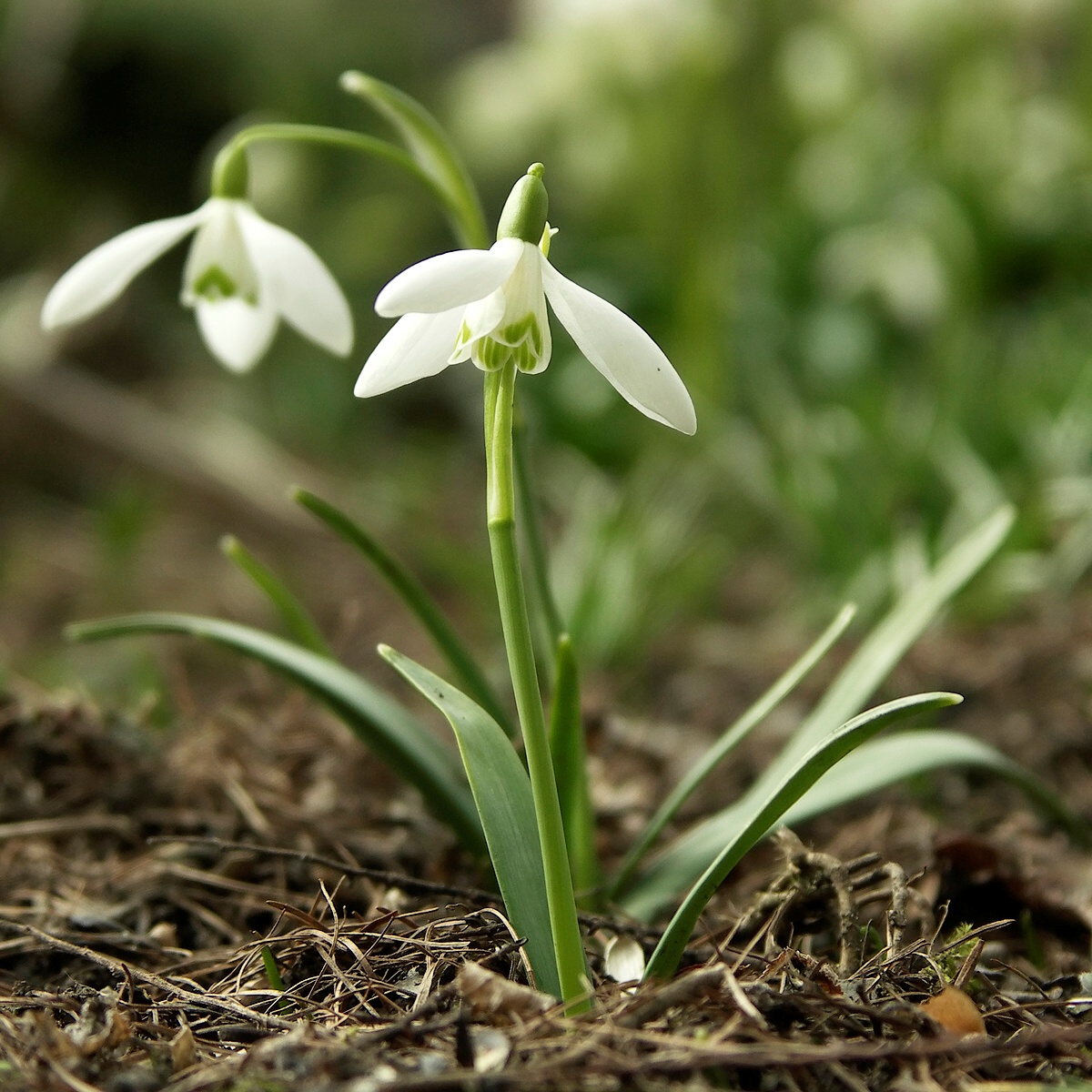 SnowdropGalanthus
White bell-shaped flowers that bloom at the end of winter
🇹🇷 Turkey and 7 more · Wildflower
SnowdropGalanthus
White bell-shaped flowers that bloom at the end of winter
🇹🇷 Turkey and 7 more · Wildflower