
Floribunda rose
A garden rose group with many blooms in clusters
Floribunda roses are a group of garden roses bred by crossing hybrid teas with polyantha roses. They produce clusters of flowers in a wide range of colours and are valued for their profuse blooming and use in public gardens and bedding schemes.
- Floribunda roses bloom in large, colourful clusters.
- They were first bred in the early 20th century.
- The name means 'many-flowering' in Latin.
- Floribundas combine traits from hybrid teas and polyanthas.
What does Floribunda rose look like?
Floribunda roses are bushy shrubs, generally smaller and more compact than hybrid tea roses but less dense than polyanthas. Their flowers are usually smaller than those of hybrid teas but grow in large, showy clusters or sprays. Floribundas come in all the colours seen in hybrid teas, and their blooms often have the classic, pointed shape associated with modern roses. The overall effect is a plant that brings a mass of colour to gardens and public spaces.
Where does Floribunda rose come from?
Floribunda roses were created by crossing hybrid tea roses with polyantha roses, which themselves were derived from Rosa chinensis and Rosa multiflora. The first successful cross, 'Rødhætte', was introduced in 1907 by Danish breeder Dines Poulsen. The group was initially called Hybrid Polyantha or Poulsen rose. The name 'floribunda', meaning 'many-flowering', was coined in 1930 by Dr. J.N. Nicolas in the United States and has been used since for these cluster-flowering roses.
When and how Floribunda rose blooms
Floribunda roses are bred by selecting parent plants from hybrid teas and polyanthas to combine the best traits of both. The resulting shrubs are grown from cuttings or grafted onto rootstock. They are chosen for their ability to produce many blooms in clusters, their range of colours, and their suitability for mass planting. Floribundas are popular in garden beds and public parks for their reliable and abundant flowering.


How Floribunda rose is used
Floribunda roses are widely planted in gardens and public spaces for their colourful, clustered blooms. They are often used in large bedding schemes and are valued for creating a strong visual impact. Their flowers are also suitable for cutting and giving as gifts. The cluster-flowering habit makes them a favourite for those seeking continuous colour in the landscape.
Kinds of Floribunda rose
There are many cultivars of floribunda roses, each with its own flower colour, size, and growth habit. Early examples include 'Rødhætte' and 'Else Poulsen'. Over time, breeders have introduced a wide range of varieties, offering different shades and forms, but all share the trait of producing flowers in clusters.
What Floribunda rose means
Floribunda roses are a mainstay of modern rose gardening, especially in public parks and formal bedding schemes. Their development marked a shift towards roses that provide a mass of colour and continuous blooming. While not tied to specific symbolism or traditions, they are popular for their decorative value and are often chosen for their visual appeal.
Where to see Floribunda rose

Questions people ask about Floribunda rose
Where do floribunda roses come from?
Floribunda roses were developed by crossing hybrid tea roses with polyantha roses, a process begun in Europe in the early 1900s. The first known floribunda was bred in Denmark, and the group was later named in the United States.
What makes floribunda roses different from other roses?
Floribunda roses are known for their bushy growth and clusters of smaller flowers, which bloom more profusely than hybrid teas. They combine the colour range and flower shape of hybrid teas with the abundant blooming of polyanthas.
How are floribunda roses used?
Floribunda roses are commonly used in garden beds, public parks, and as cut flowers. Their ability to produce many blooms in clusters makes them popular for creating colourful displays.
What colours do floribunda roses come in?
Floribunda roses are available in all the colours found in hybrid tea roses, including red, pink, orange, yellow, white, cream, blue, purple, maroon, and sometimes mixed colours.
Are there famous varieties of floribunda roses?
Yes, early varieties include 'Rødhætte' and 'Else Poulsen'. Many other cultivars have been bred since, offering a range of colours and forms, but all share the cluster-flowering habit.
Good reading and sources
- Floribunda (rose) on WikipediaEncyclopedia
- More photos on Wikimedia CommonsPhotos
- Wikidata recordOpen data
The facts on this page come from the Wikipedia article "Floribunda (rose)", written by its contributors and used under the CC BY-SA 4.0 licence, and from its Wikidata record (CC0). Phool rewrote the text in its own words, with AI assistance, and compares every page with the article to make sure no passage is copied. It may be reused under the same CC BY-SA 4.0 licence with a link back.
It may contain mistakes. It is not medical or foraging advice: many flowers are poisonous, and traditional uses are reported, not recommended. If something is wrong, tell us. Last refreshed 2026-10-03.
More of the same kind
 RoseRosa
Prickly flowering shrubs grown across the world for fragrant blossoms and rose hips
🇨🇳 China and 7 more · Flowering shrub
RoseRosa
Prickly flowering shrubs grown across the world for fragrant blossoms and rose hips
🇨🇳 China and 7 more · Flowering shrub
 PeachPrunus persica
A flowering fruit tree from China, grown for its pink blossoms and sweet fruit
🇨🇳 China and 7 more · Flowering tree
PeachPrunus persica
A flowering fruit tree from China, grown for its pink blossoms and sweet fruit
🇨🇳 China and 7 more · Flowering tree
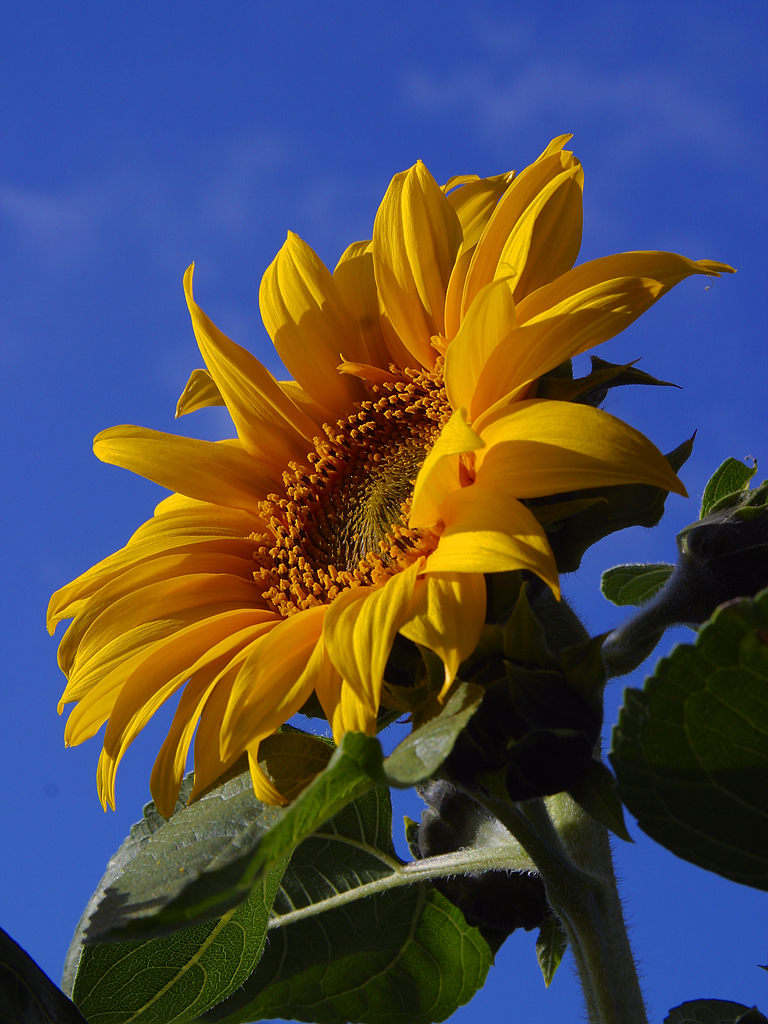 Common sunflowerHelianthus annuus
A tall annual plant grown for its large yellow flower heads and edible seeds
🇨🇦 Canada and 4 more · Wildflower
Common sunflowerHelianthus annuus
A tall annual plant grown for its large yellow flower heads and edible seeds
🇨🇦 Canada and 4 more · Wildflower
 PomegranatePunica granatum
A shrub with bright red flowers and a fruit full of edible seeds
🇮🇷 Iran and 9 more · Flowering shrub
PomegranatePunica granatum
A shrub with bright red flowers and a fruit full of edible seeds
🇮🇷 Iran and 9 more · Flowering shrub