
Cape jasmine
Gardenia jasminoides, family Rubiaceae
A glossy-leaved shrub with large, fragrant white flowers from East Asia
Cape jasmine is an evergreen shrub native to southern East Asia and Southeast Asia, grown for its shiny dark green leaves and highly fragrant white flowers that turn creamy yellow. It blooms in summer and autumn, and is widely used in gardens, as a houseplant, and in traditional medicine and dyeing. The flowers are also offered at Buddhist temples and celebrated in literature.
- Native to southern East Asia and Southeast Asia
- Flowers are strongly fragrant and turn from white to creamy yellow
- Used in traditional Chinese medicine and as a natural dye
- Cultivated in China for over a thousand years
- Flowers are offered at Buddhist temples
What does Cape jasmine look like?
Cape jasmine is a dense, evergreen shrub ranging from 30 cm to 3 m high. Its leaves are dark green, shiny, and leathery, arranged in pairs or small groups. The flowers are solitary at the ends of branches, large (up to 10 cm across), white with a matte texture, and often double. As they age, the flowers turn creamy yellow and develop a waxy surface. The scent is very strong and sweet, making it one of the most fragrant garden plants. Small oval fruits follow the flowers.
Where does Cape jasmine come from?
Native to southern East Asia and Southeast Asia, cape jasmine grows wild in forests, along streams, and on hillsides up to 1,500 metres. It has been cultivated in China for over a thousand years, appearing in art and gardens since the Song dynasty. The plant was introduced to Europe in the 18th century, arriving in England from the Cape Colony. Its common name 'cape jasmine' comes from the mistaken belief that it originated in South Africa.
When and how Cape jasmine blooms
Cape jasmine blooms in summer and autumn. It thrives in warm, humid climates with acidic, well-drained soil and sun to part shade. In temperate regions, it is often grown indoors or in greenhouses. Plants are usually propagated from cuttings. Many cultivars exist, including dwarf, groundcover, and double-flowered forms, some bred for cold hardiness or longer blooming.


How Cape jasmine is used
The fragrant flowers are used for garden display, as houseplants, and as cut flowers. In China, petals scent tea and the fruit pulp is used for a yellow-red dye in textiles and food. The fruit is used in traditional Chinese medicine. Flowers are offered at Buddhist temples in tropical Asia. In Manipur, India, the flower is given as a token of love and is praised in local literature.
Kinds of Cape jasmine
There are many cultivated forms of cape jasmine. 'Radicans' is a low-growing groundcover. 'Fortuniana' and 'Mystery' are double-flowered types, with 'Mystery' being popular for hedges. 'Golden Magic' produces flowers that turn golden yellow. Cold-hardy cultivars like 'Chuck Hayes', 'Kleim's Hardy', and 'Crown Jewel' can survive in cooler climates. Chinese authorities describe several varieties based on flower and leaf size.
What Cape jasmine means
Cape jasmine is a symbol of purity and is valued for its beauty and fragrance. In Buddhism, its flowers are used as offerings. In Japanese culture, the fruit shape is carved on Shogi and Go boards, symbolizing silence. In Manipur, the flower is celebrated in poetry and given as a gift of affection. The plant is also recognized for its use in dyeing and traditional medicine.
Where Cape jasmine is used and seen


Questions people ask about Cape jasmine
Where does cape jasmine come from?
Cape jasmine is native to southern East Asia and mainland Southeast Asia, including China, Japan, Vietnam, Thailand, Laos, Cambodia, Bangladesh, and Nepal. It grows wild in forests and along streams up to 1,500 metres altitude.
What does cape jasmine look and smell like?
It is a glossy-leaved evergreen shrub with large, solitary white flowers that turn creamy yellow as they age. The flowers are among the most strongly fragrant of all garden plants, with a sweet, intense scent.
How is cape jasmine used?
Cape jasmine is grown in gardens and as a houseplant for its attractive foliage and fragrant flowers. Its petals are used to scent tea, the fruit provides a yellow-red dye, and it is used in traditional Chinese medicine. The flowers are also offered at Buddhist temples.
Are there different types of cape jasmine?
Yes, many cultivars exist, including dwarf, groundcover, double-flowered, and cold-hardy forms. Some, like 'Golden Magic', have flowers that turn yellow, while others are bred for longer blooming or compact growth.
What does cape jasmine symbolize?
Cape jasmine is associated with purity and beauty. In Buddhism, it is used as an offering, and in Manipur, India, it is a symbol of affection and is celebrated in poetry.
Good reading and sources
- Encyclopaedia BritannicaArticle
- Intoxicating fragrance: Jasmine as valium substituteScienceDaily, Article
- Gardenia jasminoidesRoyal Horticultural Society, Article
- Plants of the World OnlineRoyal Botanic Gardens, Kew, Plant database
- Where it has been recordedGBIF, Plant database
- Sightings and photos by naturalistsiNaturalist, Plant database
- Gardenia jasminoides on WikipediaEncyclopedia
- More photos on Wikimedia CommonsPhotos
- Wikidata recordOpen data
The facts on this page come from the Wikipedia article "Gardenia jasminoides", written by its contributors and used under the CC BY-SA 4.0 licence, and from its Wikidata record (CC0). Phool rewrote the text in its own words, with AI assistance, and compares every page with the article to make sure no passage is copied. It may be reused under the same CC BY-SA 4.0 licence with a link back.
It may contain mistakes. It is not medical or foraging advice: many flowers are poisonous, and traditional uses are reported, not recommended. If something is wrong, tell us. Last refreshed 2026-10-03.
Others in the family Rubiaceae
The whole family Arabian coffeeCoffea arabica
The white-flowered shrub whose beans make most of the world’s coffee
🇪🇹 Ethiopia and 4 more · Wildflower
Arabian coffeeCoffea arabica
The white-flowered shrub whose beans make most of the world’s coffee
🇪🇹 Ethiopia and 4 more · Wildflower
 Scarlet jungleflameIxora coccinea
A dense evergreen shrub with year-round scarlet flower clusters
🇮🇳 India and 6 more · Flowering shrub
Scarlet jungleflameIxora coccinea
A dense evergreen shrub with year-round scarlet flower clusters
🇮🇳 India and 6 more · Flowering shrub
 Mussaenda
Tropical flowering shrubs and climbers grown for their ornamental blooms
Mussaenda · Wildflower
Mussaenda
Tropical flowering shrubs and climbers grown for their ornamental blooms
Mussaenda · Wildflower
 Gardenia
A fragrant white-flowered shrub from tropical regions worldwide
🇨🇳 China and 6 more · Flowering shrub
Gardenia
A fragrant white-flowered shrub from tropical regions worldwide
🇨🇳 China and 6 more · Flowering shrub
More from China
All the flowers of China PeachPrunus persica
A flowering fruit tree from China, grown for its pink blossoms and sweet fruit
🇨🇳 China and 7 more · Flowering tree
PeachPrunus persica
A flowering fruit tree from China, grown for its pink blossoms and sweet fruit
🇨🇳 China and 7 more · Flowering tree
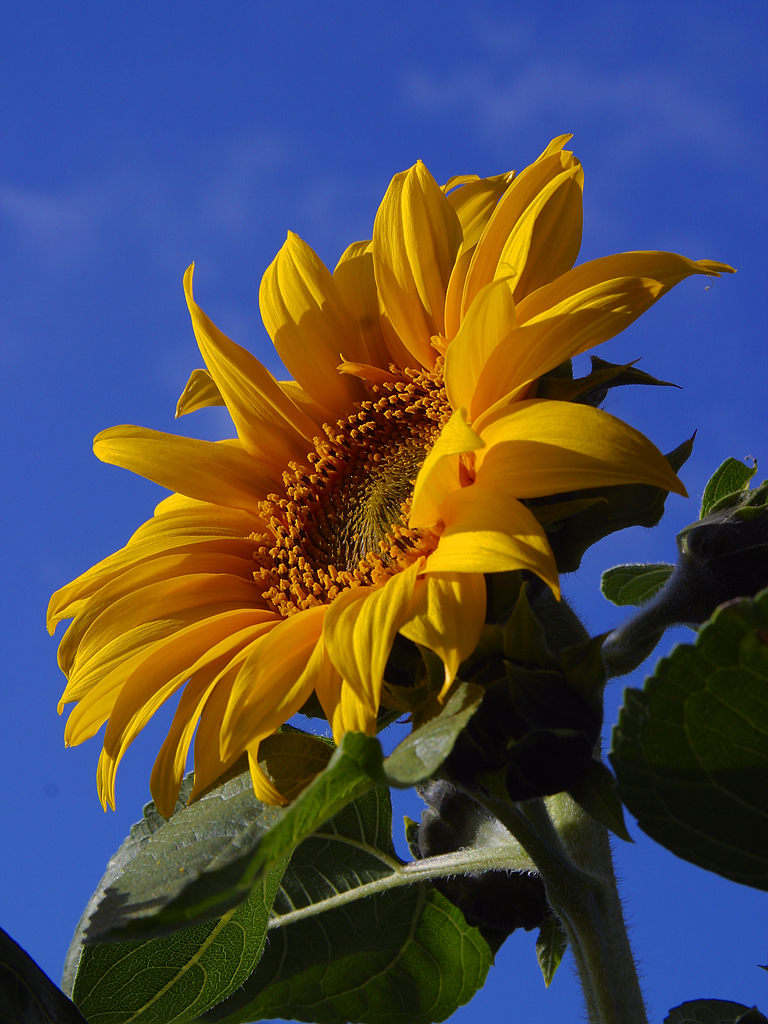 Common sunflowerHelianthus annuus
A tall annual plant grown for its large yellow flower heads and edible seeds
🇨🇦 Canada and 4 more · Wildflower
Common sunflowerHelianthus annuus
A tall annual plant grown for its large yellow flower heads and edible seeds
🇨🇦 Canada and 4 more · Wildflower
 PomegranatePunica granatum
A shrub with bright red flowers and a fruit full of edible seeds
🇮🇷 Iran and 9 more · Flowering shrub
PomegranatePunica granatum
A shrub with bright red flowers and a fruit full of edible seeds
🇮🇷 Iran and 9 more · Flowering shrub
 ApricotPrunus armeniaca
A small fruit tree with early white to pink blossoms and golden-orange fruit
🇨🇳 China and 6 more · Flowering tree
ApricotPrunus armeniaca
A small fruit tree with early white to pink blossoms and golden-orange fruit
🇨🇳 China and 6 more · Flowering tree