
Gentiana scabra
A blue-flowered gentian native to East Asia, valued in traditional medicine
Gentiana scabra is a flowering plant of the gentian family, native to parts of East Asia including China and Japan. Its blue or dark blue blooms appear from mid-summer through autumn, and its roots are used in traditional Chinese and Tibetan medicine.
- Produces blue or dark blue trumpet-shaped flowers
- Native to China and Japan
- Blooms from mid-summer through autumn
- Roots used in traditional Chinese and Tibetan medicine
What does Gentiana scabra look like?
Gentiana scabra is a perennial plant with upright stems and narrow leaves. Its flowers are shaped like trumpets and display a striking blue or dark blue color. The blooms appear singly or in small clusters, usually opening in the middle of summer and lasting into autumn. The plant is part of the gentian family and is known for its vivid flower color.
Where does Gentiana scabra come from?
This gentian species is native to much of East Asia, including regions of China such as Guangdong and the Zhoushan Archipelago, and is also found in Japan. It grows wild in these areas and has been recognized for its distinctive blue flowers. Over time, it has become known in traditional medicine systems in the region.
When and how Gentiana scabra blooms
Gentiana scabra blooms from mid-summer through autumn, producing its blue flowers during these seasons. It grows in the wild and can also be cultivated in gardens. The plant is perennial, returning each year under suitable conditions, and is valued for both its ornamental flowers and its medicinal roots.
How Gentiana scabra is used
The roots of Gentiana scabra are used in traditional Chinese medicine as a bitter tonic, believed to aid digestion and support liver health. It is also part of traditional Tibetan medicine. While mainly valued for its medicinal properties, its blue flowers are appreciated in gardens and natural landscapes.
Kinds of Gentiana scabra
Gentiana scabra is one of several species in the Gentiana genus found in East Asia. It is sometimes called the Japanese gentian or Rindō Flower, especially in Japan, where it is recognized for its blue blooms. Other gentians may differ in flower color or habitat.
What Gentiana scabra means
Gentiana scabra has a place in traditional medicine in China and Tibet, where its roots are used for their bitter qualities. In Japan, the plant is known as the Rindō Flower and is appreciated for its deep blue blossoms. Its use in medicine and gardens reflects its cultural value in East Asia.
Questions people ask about Gentiana scabra
Where does Gentiana scabra come from?
Gentiana scabra is native to much of East Asia, including regions of China such as Guangdong and the Zhoushan Archipelago, and is also found in Japan.
What does Gentiana scabra look like?
It is a perennial plant with upright stems, narrow leaves, and trumpet-shaped flowers that are blue or dark blue. The blooms appear from mid-summer through autumn.
How is Gentiana scabra used?
The roots are used in traditional Chinese and Tibetan medicine as a bitter tonic, believed to help with digestion and liver health.
What is Gentiana scabra called in Japan?
In Japan, it is known as the Japanese gentian or Rindō Flower.
Good reading and sources
- Gentiana scabraRoyal Horticultural Society, Article
- Plants of the World OnlineRoyal Botanic Gardens, Kew, Plant database
- Where it has been recordedGBIF, Plant database
- Sightings and photos by naturalistsiNaturalist, Plant database
- Gentiana scabra on WikipediaEncyclopedia
- More photos on Wikimedia CommonsPhotos
- Wikidata recordOpen data
The facts on this page come from the Wikipedia article "Gentiana scabra", written by its contributors and used under the CC BY-SA 4.0 licence, and from its Wikidata record (CC0). Phool rewrote the text in its own words, with AI assistance, and compares every page with the article to make sure no passage is copied. It may be reused under the same CC BY-SA 4.0 licence with a link back.
It may contain mistakes. It is not medical or foraging advice: many flowers are poisonous, and traditional uses are reported, not recommended. If something is wrong, tell us. Last refreshed 2026-10-03.
Others in the family Gentianaceae
The whole family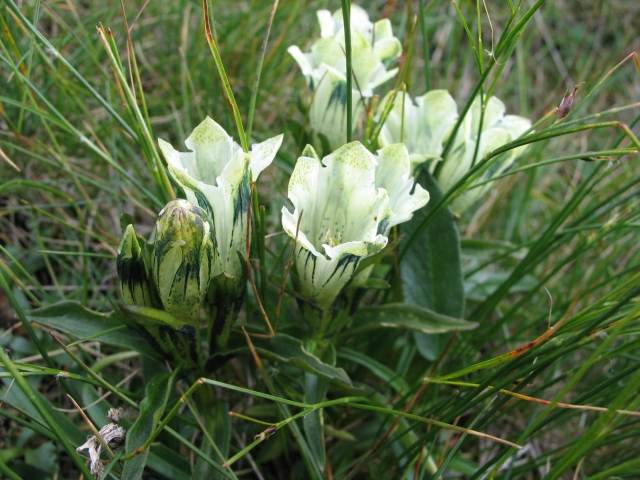 GentianGentiana
Trumpet-shaped blue and yellow flowers of alpine meadows and temperate regions
Gentiana · Wildflower
GentianGentiana
Trumpet-shaped blue and yellow flowers of alpine meadows and temperate regions
Gentiana · Wildflower
 Gentiana clusii
A blue gentian of European limestone mountains
Gentiana clusii · Wildflower
Gentiana clusii
A blue gentian of European limestone mountains
Gentiana clusii · Wildflower
 Hungarian gentianGentiana pannonica
A mountain wildflower with reddish-violet, spotted bell-shaped blooms
🇦🇹 Austria and 2 more · Wildflower
Hungarian gentianGentiana pannonica
A mountain wildflower with reddish-violet, spotted bell-shaped blooms
🇦🇹 Austria and 2 more · Wildflower
More from China
All the flowers of China PeachPrunus persica
A flowering fruit tree from China, grown for its pink blossoms and sweet fruit
🇨🇳 China and 7 more · Flowering tree
PeachPrunus persica
A flowering fruit tree from China, grown for its pink blossoms and sweet fruit
🇨🇳 China and 7 more · Flowering tree
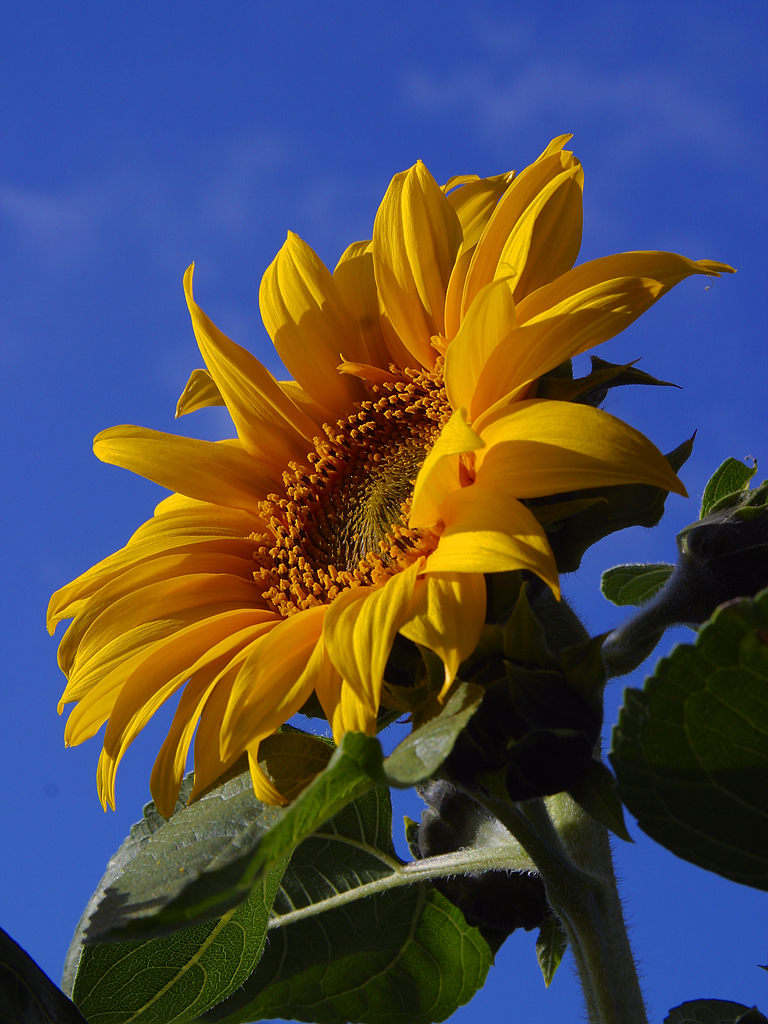 Common sunflowerHelianthus annuus
A tall annual plant grown for its large yellow flower heads and edible seeds
🇨🇦 Canada and 4 more · Wildflower
Common sunflowerHelianthus annuus
A tall annual plant grown for its large yellow flower heads and edible seeds
🇨🇦 Canada and 4 more · Wildflower
 PomegranatePunica granatum
A shrub with bright red flowers and a fruit full of edible seeds
🇮🇷 Iran and 9 more · Flowering shrub
PomegranatePunica granatum
A shrub with bright red flowers and a fruit full of edible seeds
🇮🇷 Iran and 9 more · Flowering shrub
 BirchBetula
Slender trees with papery bark found across the northern world
🇨🇳 China and 7 more · Wildflower
BirchBetula
Slender trees with papery bark found across the northern world
🇨🇳 China and 7 more · Wildflower