
Desert sunflower
Geraea canescens, family Asteraceae
A yellow wildflower of the deserts in western North America
Desert sunflower is a drought-resistant annual plant with bright yellow, sunflower-like blooms. Native to the deserts of Arizona, Nevada, California, and Utah, it grows on sandy soils and often appears in large numbers after rain, especially during superblooms.
- Native to the deserts of Arizona, Nevada, California, and Utah
- Yellow flowers bloom after rain, mainly from February to May
- Appears in superblooms with other desert wildflowers
- Attracts bees and birds; seeds eaten by birds and rodents
- Grows in sandy soils from below sea level up to 1,130 m
What does Desert sunflower look like?
Desert sunflower is an upright annual plant reaching 30 to 91 cm (1–3 feet) tall. Its slender stems and leaves are covered in fine hairs, giving them a gray-green look. The flowers are bright yellow, about 5 cm (2 inches) wide, and resemble small sunflowers, with 10 to 20 petal-like ray florets. The leaves are narrow, up to 8 cm (3 inches) long. The plant often grows in open sandy areas, forming striking displays when conditions are right.
Where does Desert sunflower come from?
This plant is native to the deserts of western North America, especially in Arizona, Nevada, California, and Utah. It thrives in the California, Mojave, and Sonoran Deserts, often at elevations from below sea level up to 1,130 m (3,700 ft). The genus name 'Geraea' comes from the Greek for 'old man', a nod to the white hairs on its fruits. Desert sunflower is adapted to survive drought and is a familiar sight after rare desert rains.
When and how Desert sunflower blooms
Desert sunflower blooms mainly from February to May, and sometimes again in October and November if there is enough rainfall. It grows in sandy, well-drained soils, often alongside creosote bush. Seeds germinate after rain, and the plant completes its life cycle quickly. It is not typically cultivated but appears naturally in the wild, especially during years with good rain.


How Desert sunflower is used
This wildflower is not commonly used in gardens or for decoration, but it plays an important role in its desert ecosystem. Its flowers attract bees and birds, while the seeds provide food for birds and rodents. During superblooms, when many desert plants flower at once, desert sunflower can cover large areas, drawing visitors and nature enthusiasts.
Kinds of Desert sunflower
There are two recognized varieties: Geraea canescens var. canescens and Geraea canescens var. paniculata. Both are found in similar desert habitats, but may differ slightly in their growth form or flower arrangement.
What Desert sunflower means
Desert sunflower is known for its role in the dramatic superblooms of the American Southwest, when rare rains trigger mass flowering across the desert. These events are celebrated by locals and attract visitors and photographers. The plant’s drought resistance and bright flowers make it a symbol of desert resilience.
Where Desert sunflower is used and seen

Where to see Desert sunflower

Questions people ask about Desert sunflower
Where does the desert sunflower come from?
Desert sunflower is native to the deserts of western North America, especially Arizona, Nevada, California, and Utah. It grows in sandy soils in regions like the Mojave and Sonoran Deserts.
What does the desert sunflower look like?
It is an upright annual plant with slender, hairy stems and gray-green leaves. The flowers are bright yellow, about 5 cm wide, and resemble small sunflowers with 10 to 20 petals.
When does the desert sunflower bloom?
It usually blooms from February to May after sufficient rainfall, and sometimes again in October and November if there is enough rain.
What is special about the desert sunflower?
It is known for appearing in large numbers during superblooms, when rare desert rains cause many wildflowers to bloom at once, creating striking displays.
Does the desert sunflower have any symbolic meaning?
While not tied to specific symbolism, it is seen as a symbol of desert resilience and is celebrated for its role in superbloom events.
Good reading and sources
- Lady Bird Johnson Wildflower CenterLady Bird Johnson Wildflower Center, Article
- USDA Plants DatabaseUS Department of Agriculture, Article
- Plants of the World OnlineRoyal Botanic Gardens, Kew, Plant database
- Where it has been recordedGBIF, Plant database
- Sightings and photos by naturalistsiNaturalist, Plant database
- Geraea canescens on WikipediaEncyclopedia
- More photos on Wikimedia CommonsPhotos
- Wikidata recordOpen data
The facts on this page come from the Wikipedia article "Geraea canescens", written by its contributors and used under the CC BY-SA 4.0 licence, and from its Wikidata record (CC0). Phool rewrote the text in its own words, with AI assistance, and compares every page with the article to make sure no passage is copied. It may be reused under the same CC BY-SA 4.0 licence with a link back.
It may contain mistakes. It is not medical or foraging advice: many flowers are poisonous, and traditional uses are reported, not recommended. If something is wrong, tell us. Last refreshed 2026-10-03.
Others in the family Asteraceae
The whole family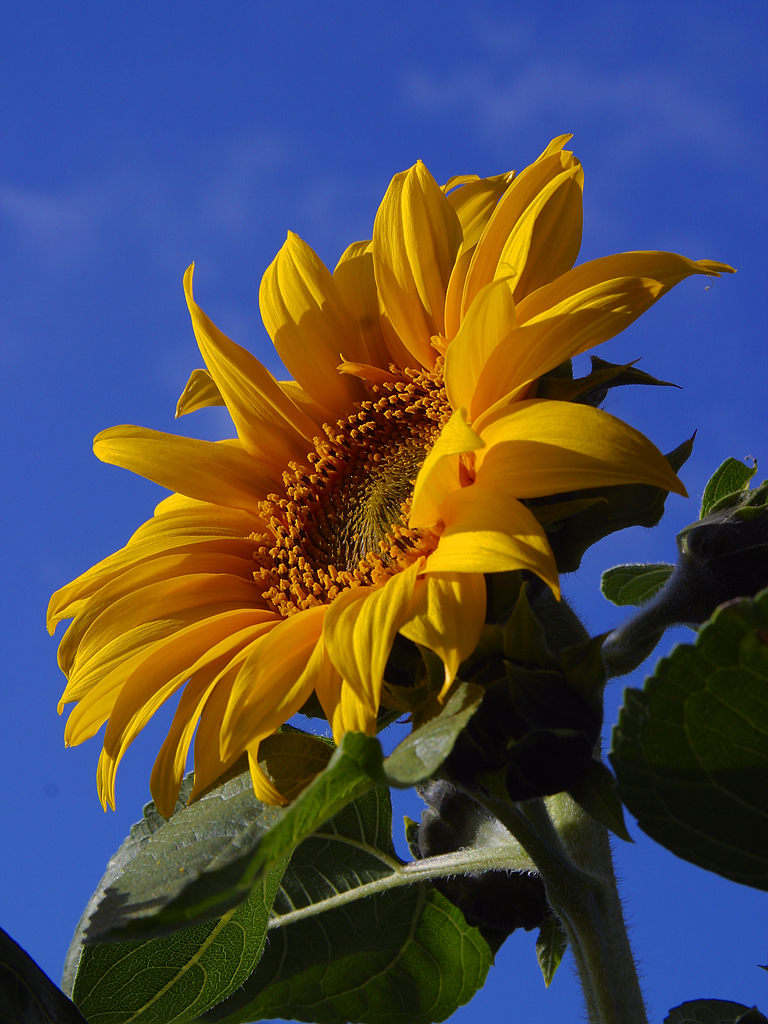 Common sunflowerHelianthus annuus
A tall annual plant grown for its large yellow flower heads and edible seeds
🇨🇦 Canada and 4 more · Wildflower
Common sunflowerHelianthus annuus
A tall annual plant grown for its large yellow flower heads and edible seeds
🇨🇦 Canada and 4 more · Wildflower
 Chrysanthemum菊花
Autumn-blooming flower with thousands of varieties, cherished in East Asia and beyond
🇨🇳 China and 6 more · Wildflower
Chrysanthemum菊花
Autumn-blooming flower with thousands of varieties, cherished in East Asia and beyond
🇨🇳 China and 6 more · Wildflower
 Asteraceae
The vast family of daisies, asters, and sunflowers with star-like flower heads
Asteraceae · Wildflower
Asteraceae
The vast family of daisies, asters, and sunflowers with star-like flower heads
Asteraceae · Wildflower
 DandelionTaraxacum
A yellow-flowered perennial found in fields, lawns, and gardens worldwide
Taraxacum · Wildflower
DandelionTaraxacum
A yellow-flowered perennial found in fields, lawns, and gardens worldwide
Taraxacum · Wildflower