
Gomphocarpus physocarpus
A tall African milkweed with balloon-like green seed pods and milky sap
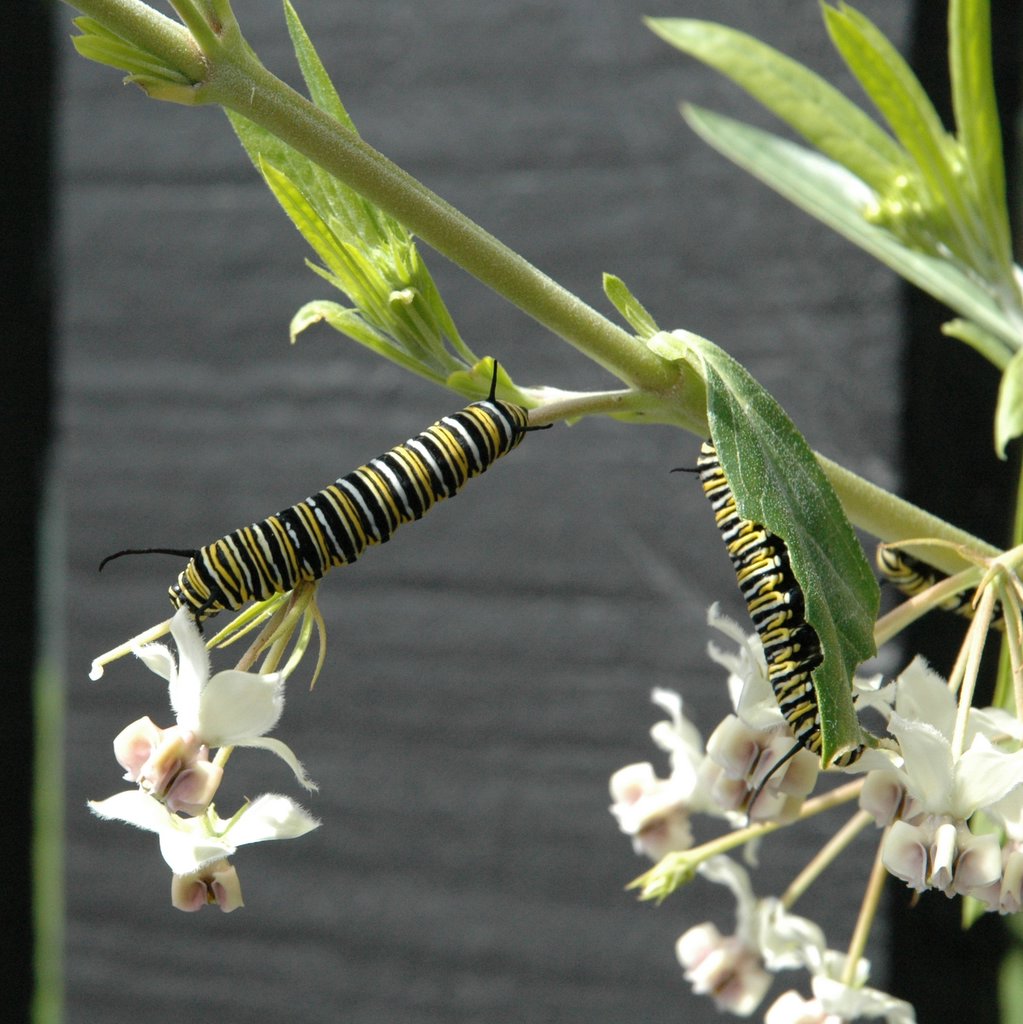
Gomphocarpus physocarpus is a perennial herb native to southeast Africa, grown for its unusual inflated green seed pods and small white flowers. It is often used as an ornamental plant and is known for its milky, toxic sap and its role as a food source for Danaus butterfly caterpillars.
- Native to southeast Africa and naturalised in gardens worldwide
- Known for its large, hairy, balloon-like green seed pods
- Milky sap is toxic and can cause serious eye injury
- Food source for Danaus butterfly caterpillars
- Used in traditional ointments for warts
What does Gomphocarpus physocarpus look like?
Gomphocarpus physocarpus is a perennial undershrub that can reach up to 2 meters tall. It has narrow, lance-shaped leaves that are light green and measure 7–10 cm in length. The small white flowers, about 1 cm across, grow in clusters. Its most distinctive feature is the pale green, inflated, hairy seed pods that can reach 8 cm in diameter. The plant produces a milky sap throughout its leaves and stems.
Where does Gomphocarpus physocarpus come from?
This species is native to southeast Africa, where it grows wild on roadside banks and at moderate altitudes. Over time, it has been widely naturalised in other regions as an ornamental plant. Its spread is partly due to its popularity in gardens and its ability to hybridize with related species. The plant is also known by several names in Afrikaans and Zulu, reflecting its presence in southern Africa.
When and how Gomphocarpus physocarpus blooms
Gomphocarpus physocarpus blooms in warm months, preferring full sun and well-drained, sandy soils with moderate moisture. It can be grown from seeds, which are sown in light, well-drained soil, or from cuttings about 10 cm long with the lower leaves removed. The plant is self-incompatible and relies on insects for pollination, with its unique flower structure helping to transfer pollen.


How Gomphocarpus physocarpus is used
People grow this plant mainly for its ornamental value, especially for its unusual balloon-like seed pods. In traditional practice, ointments made from the plant have been used for treating warts, and the seeds are sometimes used in rituals. The plant is also important for Danaus butterfly caterpillars, which feed on its leaves and use its toxins for defense.
Kinds of Gomphocarpus physocarpus
Gomphocarpus physocarpus readily hybridizes with Gomphocarpus fruticosus, producing intermediate forms. It is known by various local names in southern Africa, indicating regional familiarity and use.
What Gomphocarpus physocarpus means
The plant is valued in gardens for its unique appearance and is important ecologically as a food source for Danaus butterfly caterpillars. Its milky sap is toxic, and all parts can affect the heart and nervous system if ingested or if the sap contacts the eyes. The plant's toxicity and role in butterfly ecology are well noted.
Questions people ask about Gomphocarpus physocarpus
Where does Gomphocarpus physocarpus come from?
Gomphocarpus physocarpus is native to southeast Africa, where it grows wild on roadside banks and at moderate altitudes.
What does the plant look like?
It is a tall perennial herb with narrow, light green leaves, small white flowers, and distinctive pale green, inflated, hairy seed pods.
Is Gomphocarpus physocarpus poisonous?
Yes, the plant produces a toxic milky sap. All parts can affect the heart, nervous system, and eyes if ingested or if the sap contacts skin or eyes.
What is the plant used for?
It is mainly grown as an ornamental plant for its unusual seed pods. Traditionally, ointments made from it have been used to treat warts, and the seeds are used in rituals.
What butterflies use this plant?
Caterpillars of Danaus butterflies, including the African monarch, feed on the leaves and use its toxins to deter predators.
Good reading and sources
- USDA Plants DatabaseUS Department of Agriculture, Article
- Plants of the World OnlineRoyal Botanic Gardens, Kew, Plant database
- Where it has been recordedGBIF, Plant database
- Sightings and photos by naturalistsiNaturalist, Plant database
- Gomphocarpus physocarpus on WikipediaEncyclopedia
- More photos on Wikimedia CommonsPhotos
- Wikidata recordOpen data
The facts on this page come from the Wikipedia article "Gomphocarpus physocarpus", written by its contributors and used under the CC BY-SA 4.0 licence, and from its Wikidata record (CC0). Phool rewrote the text in its own words, with AI assistance, and compares every page with the article to make sure no passage is copied. It may be reused under the same CC BY-SA 4.0 licence with a link back.
It may contain mistakes. It is not medical or foraging advice: many flowers are poisonous, and traditional uses are reported, not recommended. If something is wrong, tell us. Last refreshed 2026-10-03.
Others in the family Apocynaceae
The whole family OleanderNerium oleander
A showy, evergreen shrub with clusters of pink, white or red flowers
🇲🇦 Morocco and 8 more · Flowering shrub
OleanderNerium oleander
A showy, evergreen shrub with clusters of pink, white or red flowers
🇲🇦 Morocco and 8 more · Flowering shrub
 Plumeria
Fragrant tropical tree with waxy, five-petaled flowers in many colours
🇲🇽 Mexico and 6 more · Flowering tree
Plumeria
Fragrant tropical tree with waxy, five-petaled flowers in many colours
🇲🇽 Mexico and 6 more · Flowering tree
 Mandevilla
A tropical vine with large trumpet-shaped blooms in vivid colours
🇧🇷 Brazil and 2 more · Climber
Mandevilla
A tropical vine with large trumpet-shaped blooms in vivid colours
🇧🇷 Brazil and 2 more · Climber
 Pinwheel flowerTabernaemontana divaricata
A fragrant white-flowered shrub native to South and Southeast Asia
🇲🇲 Myanmar and 2 more · Flowering shrub
Pinwheel flowerTabernaemontana divaricata
A fragrant white-flowered shrub native to South and Southeast Asia
🇲🇲 Myanmar and 2 more · Flowering shrub