
Golden trumpet tree
Handroanthus chrysotrichus, family Bignoniaceae
A Brazilian tree with golden-yellow trumpet-shaped spring flowers
The golden trumpet tree is a semi-deciduous tree from Brazil, known for its striking golden-yellow to red flowers that bloom in spring. It is grown as a street and garden tree in Brazil and other warm regions, and its flower is the national flower of Brazil.
- Its flower is the national flower of Brazil.
- Produces golden-yellow to red trumpet-shaped flowers in spring.
- Native to the Atlantic Forest and Cerrado regions of Brazil.
- A useful honey plant due to its nectar-rich blooms.
- Grown as a street and garden tree in warm climates.
What does Golden trumpet tree look like?
The golden trumpet tree is a medium to large tree, usually reaching 5 to 8 meters tall but sometimes growing as high as 20 meters. It spreads up to 11 meters wide. In spring, it produces clusters of large, trumpet-shaped flowers that are golden-yellow to red. These flowers are very showy and rich in nectar. The tree sheds its leaves for a short time in late spring, making the flowers even more noticeable.
Where does Golden trumpet tree come from?
Handroanthus chrysotrichus is native to Brazil, especially in regions like Rio de Janeiro, Espírito Santo, Paraíba, São Paulo, Santa Catarina, Minas Gerais, Rio Grande do Sul, the Cerrado, and the Atlantic Forest. It was once grouped with Tabebuia, but a DNA study in 2007 led to its reclassification into the genus Handroanthus. The tree is known in Portuguese as ipê amarelo and is closely related to Tabebuia ochracea.
When and how Golden trumpet tree blooms
The tree blooms in spring, after shedding its leaves for a short period. It grows best in warm climates and is suited to USDA hardiness zones 9b through 11. The golden trumpet tree is moderately drought-tolerant and is often planted as a street or garden tree outside its native range. It is grown from seed and prefers sunny locations.


How Golden trumpet tree is used
In Brazil, the golden trumpet tree is widely planted in gardens and along streets for its decorative flowers. Its blooms are a source of nectar for bees, making it a useful honey plant. The flower is the national flower of Brazil. In Australia, it is grown as an ornamental tree but has raised concerns as a potential weed in tropical and subtropical areas.
Kinds of Golden trumpet tree
Handroanthus chrysotrichus is very similar to Tabebuia ochracea and is sometimes confused with it. There are no named cultivars or varieties mentioned in the sources, but the tree can show some variation in flower color from golden-yellow to red.
What Golden trumpet tree means
The golden trumpet tree holds cultural importance in Brazil, where its flower is the national symbol. It is valued for its striking spring display and is a familiar sight in Brazilian cities and landscapes. The tree is also noted for its hard wood and high lapachol content, but its main cultural role is as an emblem of Brazil.
Questions people ask about Golden trumpet tree
Where does the golden trumpet tree come from?
The golden trumpet tree is native to Brazil, especially in regions such as Rio de Janeiro, São Paulo, Minas Gerais, the Cerrado, and the Atlantic Forest.
What does the golden trumpet tree look like?
It is a medium to large tree with a wide crown and produces large, trumpet-shaped flowers that are golden-yellow to red, blooming in spring after a brief period of leaf drop.
What is the golden trumpet tree used for?
It is mainly grown as a decorative tree in gardens and along streets. Its flowers are a source of nectar for bees, and it is the national flower of Brazil.
Is the golden trumpet tree grown outside Brazil?
Yes, it is planted as a street and garden tree in other warm regions, including Australia, though it has raised concerns as a potential weed there.
What does the golden trumpet tree symbolize?
Its flower is a national symbol of Brazil and is valued for its beauty and presence in Brazilian landscapes.
Good reading and sources
- Plants of the World OnlineRoyal Botanic Gardens, Kew, Plant database
- Where it has been recordedGBIF, Plant database
- Sightings and photos by naturalistsiNaturalist, Plant database
- Handroanthus chrysotrichus on WikipediaEncyclopedia
- More photos on Wikimedia CommonsPhotos
- Wikidata recordOpen data
The facts on this page come from the Wikipedia article "Handroanthus chrysotrichus", written by its contributors and used under the CC BY-SA 4.0 licence, and from its Wikidata record (CC0). Phool rewrote the text in its own words, with AI assistance, and compares every page with the article to make sure no passage is copied. It may be reused under the same CC BY-SA 4.0 licence with a link back.
It may contain mistakes. It is not medical or foraging advice: many flowers are poisonous, and traditional uses are reported, not recommended. If something is wrong, tell us. Last refreshed 2026-10-03.
Others in the family Bignoniaceae
The whole family Pink trumpet-treeTabebuia rosea
A tall tree with pink to purple trumpet-shaped flowers, seen in parks and streets
🇲🇽 Mexico and 5 more · Flowering tree
Pink trumpet-treeTabebuia rosea
A tall tree with pink to purple trumpet-shaped flowers, seen in parks and streets
🇲🇽 Mexico and 5 more · Flowering tree
 Tabebuia
Tropical trees and shrubs grown for their large, showy blossoms
🇨🇺 Cuba and 5 more · Flowering tree
Tabebuia
Tropical trees and shrubs grown for their large, showy blossoms
🇨🇺 Cuba and 5 more · Flowering tree
 Millingtonia hortensis
Tall, fragrant-flowered tree known as tree jasmine or Indian cork tree
🇮🇳 India · Flowering tree
Millingtonia hortensis
Tall, fragrant-flowered tree known as tree jasmine or Indian cork tree
🇮🇳 India · Flowering tree
 Southern catalpaCatalpa bignonioides
A fast-growing American tree with showy white trumpet flowers
🇺🇸 United States · Flowering tree
Southern catalpaCatalpa bignonioides
A fast-growing American tree with showy white trumpet flowers
🇺🇸 United States · Flowering tree
More from Brazil
All the flowers of Brazil CactusCactaceae
Succulent plants with spines, native to the Americas
🇲🇽 Mexico and 7 more · Wildflower
CactusCactaceae
Succulent plants with spines, native to the Americas
🇲🇽 Mexico and 7 more · Wildflower
 Eucalyptus
The tall, aromatic trees and shrubs known as gum trees or eucalypts
🇦🇺 Australia and 7 more · Flowering tree
Eucalyptus
The tall, aromatic trees and shrubs known as gum trees or eucalypts
🇦🇺 Australia and 7 more · Flowering tree
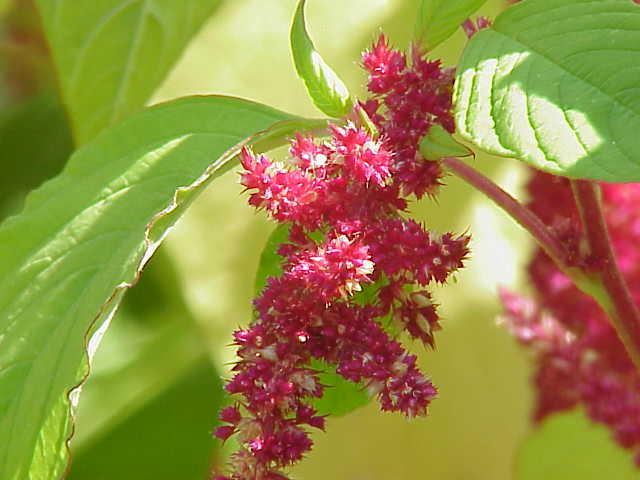 AmaranthAmaranthus
A tall, colourful plant grown for its flowers, leaves and edible seeds
🇲🇽 Mexico and 7 more · Wildflower
AmaranthAmaranthus
A tall, colourful plant grown for its flowers, leaves and edible seeds
🇲🇽 Mexico and 7 more · Wildflower
 Sensitive PlantMimosa pudica
A touch-sensitive plant whose leaves fold up when disturbed
🇧🇷 Brazil and 8 more · Wildflower
Sensitive PlantMimosa pudica
A touch-sensitive plant whose leaves fold up when disturbed
🇧🇷 Brazil and 8 more · Wildflower