
Helenium
Tall daisy-like flowers in yellow and orange, once used to make sneeze-inducing snuff
Helenium is a group of annual and perennial plants from the Americas, known for their yellow or orange daisy-like flowers with globe-shaped centers. Often called sneezeweed, some species were once used to make snuff. They are grown in gardens for late summer and autumn color, and are valued for bouquets.
- Helenium flowers have globe-shaped centers and three-lobed petals.
- Some species were used to make sneeze-inducing snuff.
- Plants can grow up to 2 metres tall.
- Popular in gardens for late summer and autumn color.
- The UK National Collection is in Cheshire.
What does Helenium look like?
Helenium plants are annuals or herbaceous perennials that can reach up to 2 metres tall. Their flowers resemble daisies, with bright yellow or orange petals and a prominent, globe-like disk at the center. The ray petals are often three-lobed at the tip. These plants grow in clumps and produce numerous blooms, making them noticeable in gardens and wild areas during late summer and autumn.
Where does Helenium come from?
Helenium is native to the Americas. The genus was named after Helen of Troy from Greek mythology. Historically, the dried leaves of some species, especially Helenium autumnale, were used to make snuff that was inhaled to induce sneezing, believed to drive away evil spirits. Over time, Helenium spread into gardens, where it is valued for its showy flowers and long blooming season.
When and how Helenium blooms
Garden heleniums are mainly developed from H. autumnale and H. bigelovii. Annual types are grown from seed, while perennials are divided each year to keep them vigorous. They thrive in full sun and prefer fertile, moist but well-drained soil, enriched with compost or manure. Once established, they are drought tolerant but need regular watering when young.


How Helenium is used
Heleniums are grown in gardens for their late summer and autumn flowers, adding color when many other plants have finished blooming. They are popular in less formal garden designs and are often used in bouquets. In the past, some species were used to make snuff for ritual sneezing. The flowers also support certain moth larvae.
Kinds of Helenium
Numerous cultivars have been bred for garden use, especially from H. autumnale and H. bigelovii. These cultivars vary in flower size, color, and plant height. Some have received awards for their garden performance. The UK National Collection of heleniums is kept at Yew Tree House in Cheshire.
What Helenium means
The name 'sneezeweed' comes from the tradition of using dried helenium leaves to make snuff. This was believed to expel evil spirits through sneezing. The genus is named after Helen of Troy. Heleniums are valued for their role in late-season gardens and their use in cut flower arrangements.
Questions people ask about Helenium
Where does Helenium come from?
Helenium is native to the Americas and includes both annual and perennial species found in wild and garden settings.
What do Helenium flowers look like?
They have daisy-like blooms with bright yellow or orange petals and a globe-shaped central disk. The petals are often three-lobed at the tips.
Why is it called sneezeweed?
The name comes from the old practice of using dried Helenium leaves to make snuff, which was inhaled to cause sneezing and believed to drive out evil spirits.
How are Heleniums used in gardens?
They are grown for their colorful late summer and autumn flowers, often featured in informal gardens and bouquets.
Are there different types of Helenium?
Yes, many cultivars have been bred from species like H. autumnale and H. bigelovii, offering a range of flower colors and plant sizes.
Good reading and sources
- Encyclopaedia BritannicaArticle
- Helenium 'Baudirektor Linne'Royal Horticultural Society, Article
- USDA Plants DatabaseUS Department of Agriculture, Article
- Plants of the World OnlineRoyal Botanic Gardens, Kew, Plant database
- Where it has been recordedGBIF, Plant database
- Sightings and photos by naturalistsiNaturalist, Plant database
The facts on this page come from the Wikipedia article "Helenium", written by its contributors and used under the CC BY-SA 4.0 licence, and from its Wikidata record (CC0). Phool rewrote the text in its own words, with AI assistance, and compares every page with the article to make sure no passage is copied. It may be reused under the same CC BY-SA 4.0 licence with a link back.
It may contain mistakes. It is not medical or foraging advice: many flowers are poisonous, and traditional uses are reported, not recommended. If something is wrong, tell us. Last refreshed 2026-10-03.
Others in the family Asteraceae
The whole family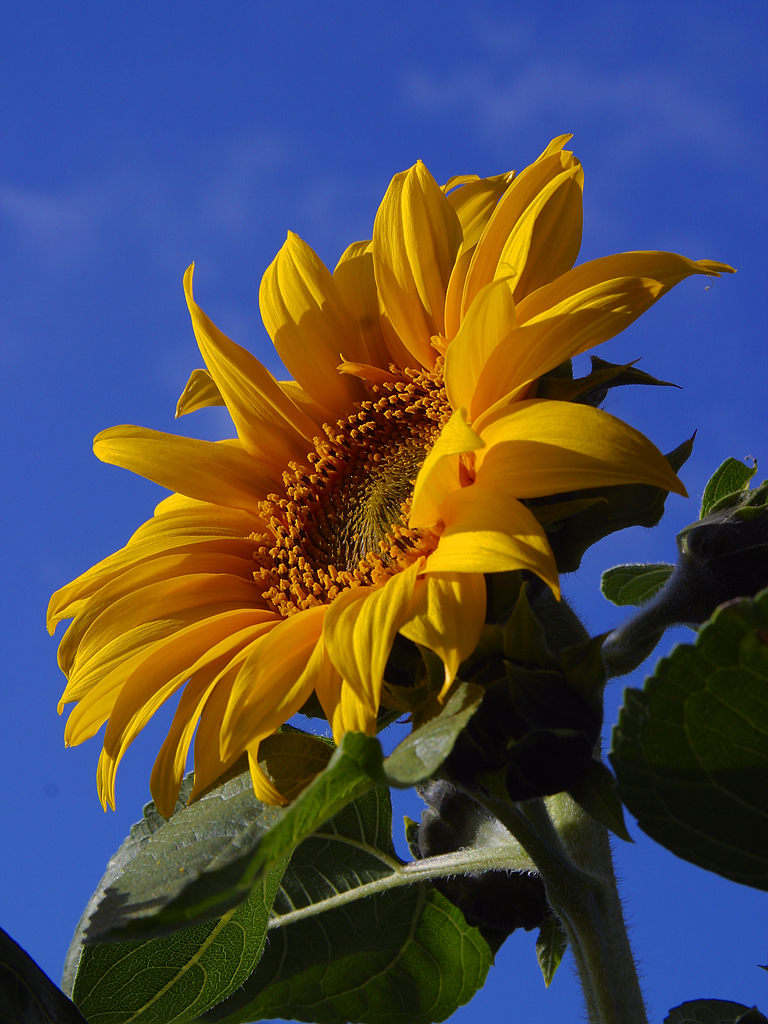 Common sunflowerHelianthus annuus
A tall annual plant grown for its large yellow flower heads and edible seeds
🇨🇦 Canada and 4 more · Wildflower
Common sunflowerHelianthus annuus
A tall annual plant grown for its large yellow flower heads and edible seeds
🇨🇦 Canada and 4 more · Wildflower
 Chrysanthemum菊花
Autumn-blooming flower with thousands of varieties, cherished in East Asia and beyond
🇨🇳 China and 6 more · Wildflower
Chrysanthemum菊花
Autumn-blooming flower with thousands of varieties, cherished in East Asia and beyond
🇨🇳 China and 6 more · Wildflower
 Asteraceae
The vast family of daisies, asters, and sunflowers with star-like flower heads
Asteraceae · Wildflower
Asteraceae
The vast family of daisies, asters, and sunflowers with star-like flower heads
Asteraceae · Wildflower
 DandelionTaraxacum
A yellow-flowered perennial found in fields, lawns, and gardens worldwide
Taraxacum · Wildflower
DandelionTaraxacum
A yellow-flowered perennial found in fields, lawns, and gardens worldwide
Taraxacum · Wildflower