
Hippeastrum
Large-flowered bulb plants from the Americas, often called amaryllis
Hippeastrum is a group of over 100 bulb plants with striking, trumpet-shaped flowers, mostly in red or purple, native to the Americas from Mexico to Argentina and the Caribbean. Many hybrids are grown for their bright blooms, especially as indoor bulbs for winter holidays, though they are often sold as 'amaryllis'.
- Native from Mexico to Argentina and the Caribbean
- Often sold as 'amaryllis' bulbs for winter flowering
- Flowers can be up to 20 cm wide and come in many colors
- Over 600 hybrids and cultivars exist
- Some species grow as epiphytes in trees
What does Hippeastrum look like?
Hippeastrum plants grow from large, layered bulbs and produce tall, hollow stems topped with clusters of two to fifteen big, funnel-shaped flowers. The blooms can reach up to 20 cm across and are usually red or purple in wild species, though cultivated forms come in many colors. The leaves are long, strap-like, and may appear after the flowers. These plants are known for their bold, showy appearance.
Where does Hippeastrum come from?
Hippeastrum is native to a broad area stretching from Mexico through Central and South America to Argentina, and some Caribbean islands. The genus was separated from the African Amaryllis in the 1800s, after much debate among botanists. The name comes from Greek words meaning 'knight's star', inspired by the flower's shape. Over time, Hippeastrum has become popular worldwide, especially as a decorative bulb.
When and how Hippeastrum blooms
These plants grow from bulbs, which are often sold dry and dormant. When planted, the bulb sends up a tall stem that carries several flowers. The leaves usually emerge after the flowers fade. Hippeastrum can be grown indoors or outdoors in mild climates, and bulbs are often forced to bloom in winter for festive displays.


How Hippeastrum is used
Hippeastrum is widely grown for its dramatic flowers, both in gardens and as a potted plant indoors. The bulbs are popular gifts, especially during the winter holidays in the northern hemisphere, when they are sold as 'amaryllis'. The flowers are also used in arrangements and as cut flowers due to their size and vibrant colors.
Kinds of Hippeastrum
There are over 100 species and more than 600 cultivated varieties of Hippeastrum, with flowers in a wide range of colors and patterns. Some species grow in trees as epiphytes, while most are found in the ground. Many hybrids have been bred for larger blooms, new colors, and different shapes.
What Hippeastrum means
Though often called 'amaryllis' in shops, true Amaryllis comes from South Africa. Hippeastrum is especially associated with winter celebrations in many countries, as bulbs are timed to flower indoors around Christmas. The flower’s star-like shape and bold color have inspired its use in art and as a symbol of festivity.
Where to see Hippeastrum

Questions people ask about Hippeastrum
Where does Hippeastrum come from?
Hippeastrum is native to regions from Mexico through Central and South America to Argentina, as well as some Caribbean islands.
Why is Hippeastrum often called amaryllis?
Although Hippeastrum and Amaryllis are different genera, the name 'amaryllis' is commonly used in shops for Hippeastrum bulbs, especially those sold for indoor flowering during the holidays.
What do Hippeastrum flowers look like?
The flowers are large, trumpet-shaped, and usually red or purple in wild species, but cultivated varieties come in many colors and patterns.
How is Hippeastrum used?
Hippeastrum is grown for its showy flowers in gardens and as a potted plant indoors. The bulbs are popular gifts and the flowers are used in arrangements and as cut flowers.
Are there many types of Hippeastrum?
Yes, there are over 100 species and more than 600 hybrids and cultivars, offering a wide range of flower colors and forms.
Good reading and sources
- Encyclopaedia BritannicaArticle
- Plants of the World OnlineRoyal Botanic Gardens, Kew, Plant database
- Where it has been recordedGBIF, Plant database
- Sightings and photos by naturalistsiNaturalist, Plant database
The facts on this page come from the Wikipedia article "Hippeastrum", written by its contributors and used under the CC BY-SA 4.0 licence, and from its Wikidata record (CC0). Phool rewrote the text in its own words, with AI assistance, and compares every page with the article to make sure no passage is copied. It may be reused under the same CC BY-SA 4.0 licence with a link back.
It may contain mistakes. It is not medical or foraging advice: many flowers are poisonous, and traditional uses are reported, not recommended. If something is wrong, tell us. Last refreshed 2026-10-03.
Others in the family Amaryllidaceae
The whole family Narcissus
Spring-flowering bulbs with trumpet-shaped blooms in white, yellow, and orange
🇬🇧 United Kingdom and 7 more · Wildflower
Narcissus
Spring-flowering bulbs with trumpet-shaped blooms in white, yellow, and orange
🇬🇧 United Kingdom and 7 more · Wildflower
 Allium
The genus of onions, garlic, leeks, chives and their wild relatives
Allium · Wildflower
Allium
The genus of onions, garlic, leeks, chives and their wild relatives
Allium · Wildflower
 Wild GarlicAllium ursinum
A wild woodland plant with star-shaped white flowers and edible leaves
🇮🇪 Ireland · Wildflower
Wild GarlicAllium ursinum
A wild woodland plant with star-shaped white flowers and edible leaves
🇮🇪 Ireland · Wildflower
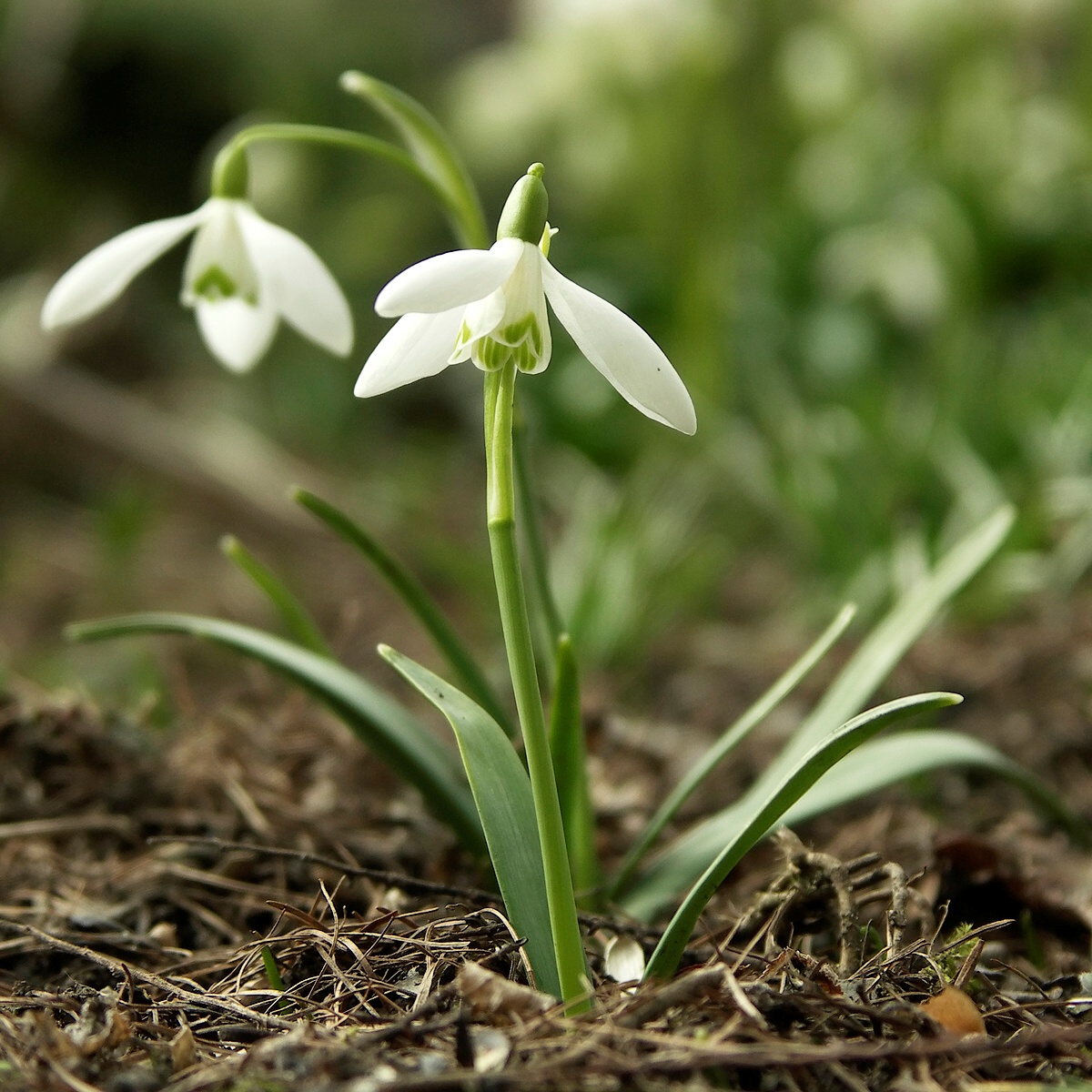 SnowdropGalanthus
White bell-shaped flowers that bloom at the end of winter
🇹🇷 Turkey and 7 more · Wildflower
SnowdropGalanthus
White bell-shaped flowers that bloom at the end of winter
🇹🇷 Turkey and 7 more · Wildflower