
Toadflax
Linaria, family Plantaginaceae
A group of nearly 200 flowering plants called toadflax, found mainly around the Mediterranean
Toadflax refers to almost 200 species in the Linaria genus, which includes both annual and perennial plants. These flowers are most diverse around the Mediterranean, but the group also grows in temperate parts of Europe, northern Africa, and Asia. Some species are grown in gardens, while others are considered weeds.
- Linaria is the largest genus in its plant family group
- Some species are valued garden flowers, others are troublesome weeds
- Flowers can be purple, pink, yellow, white, or orange
- Certain types are toxic to livestock and avoided by grazing animals
- Linaria vulgaris has been used in traditional herbal remedies
What does Toadflax look like?
Linaria, or toadflax, includes a wide range of plants with slender stems and narrow leaves. The flowers often have two lips and a spur at the back, and can be purple, pink, yellow, white, or orange, depending on the species. Some types, like purple toadflax, are grown for their bright, upright flower spikes, while others such as common toadflax have yellow blooms. Many species are low-growing and can spread quickly.
Where does Toadflax come from?
Most Linaria species are found in the Mediterranean region, but the genus also grows in cooler parts of Europe, northern Africa, and Asia. Over time, some species have spread to other continents, sometimes becoming weeds. The name Linaria means 'like flax' because some species have leaves that look similar to those of the flax plant. The English name toadflax is shared with other related plants.
When and how Toadflax blooms
Toadflax species can be annuals or perennials. They usually grow from seed, thriving in well-drained soils and sunny spots. Some, like Linaria vulgaris, can become weedy and spread easily. Gardeners often plant purple or Moroccan toadflax for their showy flowers, while others may appear on their own in wild or disturbed areas.
How Toadflax is used
Some toadflax species are grown in gardens for their colorful flowers. Others, like common and Dalmatian toadflax, are often seen as weeds. Linaria vulgaris has a history of use in traditional medicine. The plants also serve as food for the caterpillars of certain moths and butterflies.
Kinds of Toadflax
Notable species include Linaria vulgaris (common toadflax), Linaria dalmatica (Dalmatian toadflax), Linaria purpurea (purple toadflax), Linaria repens (pale toadflax), Linaria alpina (alpine toadflax), and Linaria maroccana (Moroccan toadflax). Flower color and growth habit vary widely among these species.
What Toadflax means
Toadflax has sometimes been linked to folk medicine, especially Linaria vulgaris. The genus is also important in ecology, as some species are food for butterfly and moth larvae. However, some toadflaxes are considered invasive or harmful to livestock, as they contain compounds that can be toxic if eaten.
Questions people ask about Toadflax
Where does toadflax come from?
Most toadflax species grow naturally in the Mediterranean region, but the genus is also found in temperate areas of Europe, northern Africa, and Asia.
What does toadflax look like?
Toadflax plants have slim stems and narrow leaves, with flowers that often have two lips and a spur. The blooms can be purple, pink, yellow, white, or orange, depending on the species.
Is toadflax used for anything?
Some species are grown in gardens for their flowers, while others are considered weeds. Linaria vulgaris has been used in traditional medicine, and the plants are food for certain butterfly and moth caterpillars.
Is toadflax poisonous?
Some toadflax species contain chemicals that can be toxic to livestock, but grazing animals usually avoid eating them.
Are there different types of toadflax?
Yes, the genus includes nearly 200 species, such as common toadflax, Dalmatian toadflax, purple toadflax, and Moroccan toadflax, each with its own flower color and growth habit.
Good reading and sources
- Species: Linaria spp.US Department of Agriculture, Article
- Plants of the World OnlineRoyal Botanic Gardens, Kew, Plant database
- Where it has been recordedGBIF, Plant database
- Sightings and photos by naturalistsiNaturalist, Plant database
The facts on this page come from the Wikipedia article "Linaria", written by its contributors and used under the CC BY-SA 4.0 licence, and from its Wikidata record (CC0). Phool rewrote the text in its own words, with AI assistance, and compares every page with the article to make sure no passage is copied. It may be reused under the same CC BY-SA 4.0 licence with a link back.
It may contain mistakes. It is not medical or foraging advice: many flowers are poisonous, and traditional uses are reported, not recommended. If something is wrong, tell us. Last refreshed 2026-10-03.
Others in the family Plantaginaceae
The whole family FoxgloveDigitalis purpurea
Tall spikes of bell-shaped, spotted flowers in purple, pink, white or yellow
🇩🇪 Germany and 5 more · Wildflower
FoxgloveDigitalis purpurea
Tall spikes of bell-shaped, spotted flowers in purple, pink, white or yellow
🇩🇪 Germany and 5 more · Wildflower
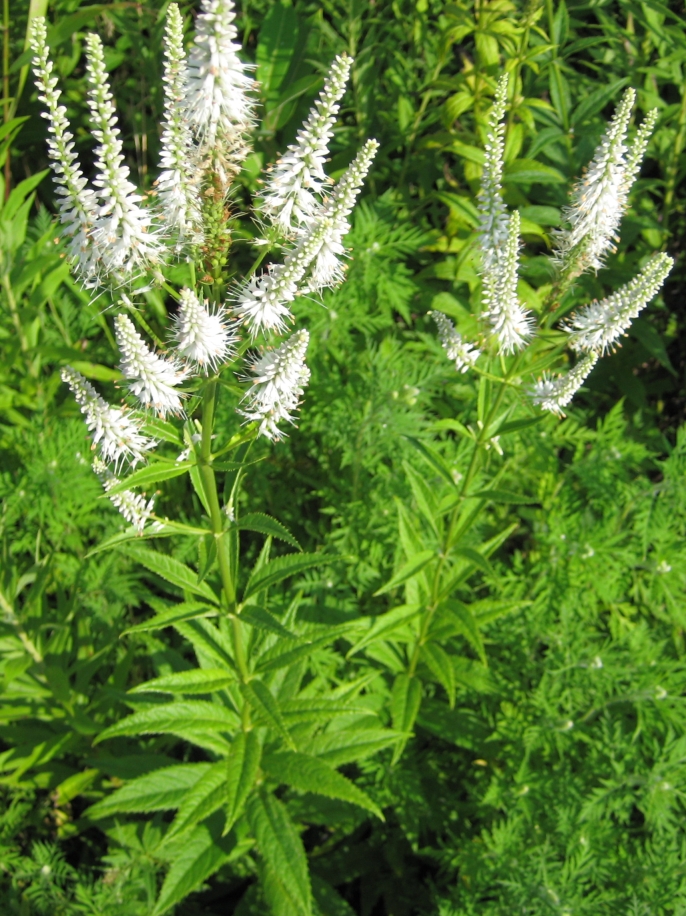 Veronicastrum
A group of upright flowering plants in the plantain family
Veronicastrum · Wildflower
Veronicastrum
A group of upright flowering plants in the plantain family
Veronicastrum · Wildflower
 Veronica
A large group of wild and garden flowers known as speedwell
Veronica · Wildflower
Veronica
A large group of wild and garden flowers known as speedwell
Veronica · Wildflower
 Alpine toadflaxLinaria alpina
A small violet-flowered plant of rocky European mountain slopes
🇦🇹 Austria and 7 more · Wildflower
Alpine toadflaxLinaria alpina
A small violet-flowered plant of rocky European mountain slopes
🇦🇹 Austria and 7 more · Wildflower