
Lobelia deckenii
A giant lobelia of the high mountains of Tanzania and Kenya
Lobelia deckenii is a tall, rosette-forming plant found in the alpine regions of Tanzania and Kenya. Its multiple rosettes can reach up to 3.7 meters, each producing a single large flowering spike before dying. The plant stores water in its leaf bases, which freezes at night and protects its growing point.
- Forms tall rosettes up to 3.7 meters high
- Native to Kilimanjaro and Cherangani hills
- Holds water in leaf bases that freezes at night
- Pollinated by sunbirds
- Known as the 'gin and tonic lobelia'
What does Lobelia deckenii look like?
Lobelia deckenii is a striking plant with tall, upright stems that can reach up to 3.7 meters. It forms clusters of rosettes, each with long, narrow, yucca-like leaves. When mature, a rosette sends up a single, large flowering spike, or inflorescence, before dying. The plant is known for holding water in the bases of its leaves, which can freeze at night, forming crescent-shaped ice. This adaptation helps protect its growing tip from freezing temperatures.
Where does Lobelia deckenii come from?
This species is native to the high mountains of Tanzania, especially Kilimanjaro, and is also found in the Cherangani hills of Kenya. It grows in moist alpine areas, such as valley bottoms and moorlands, at elevations between 3,800 and 4,300 meters. Lobelia deckenii is the only alpine lobelia native to Kilimanjaro. It is closely related to other giant lobelias in East Africa, and sometimes hybridizes with Lobelia telekii, which prefers drier habitats.
When and how Lobelia deckenii blooms
Each Lobelia deckenii plant consists of several rosettes connected underground. The rosettes grow slowly in the cold, high-altitude environment, taking decades to reach flowering size. When a rosette is ready, it produces a single tall inflorescence with many flowers, then dies. However, the remaining rosettes continue to grow and may flower in later years. The flowers are pollinated mainly by sunbirds.


How Lobelia deckenii is used
Lobelia deckenii is not known for human use but is notable for its ecological role in alpine habitats. Its water-holding rosettes provide a unique adaptation to freezing nights, and its flowers attract sunbirds and other pollinators. The plant is considered threatened in some areas, such as the forests of the Cherangani hills.
Kinds of Lobelia deckenii
Lobelia gregoriana, once considered a subspecies of Lobelia deckenii, grows on Mount Kenya at similar high elevations. Lobelia deckenii can hybridize with Lobelia telekii where their ranges overlap. Plants may vary in the number of rosettes, from one to eighteen, and those with more rosettes tend to flower more often.
What Lobelia deckenii means
The plant is sometimes called the 'gin and tonic lobelia' because of the crescent-shaped ice that forms in its leaf bases at night. This adaptation has drawn attention from botanists and visitors to the region. Lobelia deckenii is listed as threatened in some Kenyan forests, highlighting its conservation importance.
Where Lobelia deckenii is used and seen

Questions people ask about Lobelia deckenii
Where does Lobelia deckenii come from?
Lobelia deckenii is native to the high mountains of Tanzania, especially Kilimanjaro, and is also found in the Cherangani hills of Kenya.
What does Lobelia deckenii look like?
It is a giant rosette-forming plant with tall stems up to 3.7 meters, long narrow leaves, and a large flowering spike produced by each mature rosette.
How does Lobelia deckenii survive cold nights?
The plant stores water in the bases of its leaves, which freezes at night and insulates the growing tip from freezing temperatures.
How does Lobelia deckenii reproduce?
Each rosette flowers once, producing a large inflorescence and many seeds, then dies. The plant survives through its other connected rosettes, which may flower in later years.
Is Lobelia deckenii used by people?
The sources do not mention any traditional or practical human use. Its main importance is ecological, providing habitat and food for alpine pollinators.
Good reading and sources
- Plants of the World OnlineRoyal Botanic Gardens, Kew, Plant database
- Where it has been recordedGBIF, Plant database
- Sightings and photos by naturalistsiNaturalist, Plant database
- Lobelia deckenii on WikipediaEncyclopedia
- More photos on Wikimedia CommonsPhotos
- Wikidata recordOpen data
The facts on this page come from the Wikipedia article "Lobelia deckenii", written by its contributors and used under the CC BY-SA 4.0 licence, and from its Wikidata record (CC0). Phool rewrote the text in its own words, with AI assistance, and compares every page with the article to make sure no passage is copied. It may be reused under the same CC BY-SA 4.0 licence with a link back.
It may contain mistakes. It is not medical or foraging advice: many flowers are poisonous, and traditional uses are reported, not recommended. If something is wrong, tell us. Last refreshed 2026-10-03.
Others in the family Campanulaceae
The whole family BellflowersCampanula
Bell-shaped flowers from a wide-ranging and varied plant group
Campanula · Wildflower
BellflowersCampanula
Bell-shaped flowers from a wide-ranging and varied plant group
Campanula · Wildflower
 Diamond bluebellHanabusaya asiatica
A rare bell-shaped wildflower found only in Korean mountain forests
Hanabusaya asiatica · Wildflower
Diamond bluebellHanabusaya asiatica
A rare bell-shaped wildflower found only in Korean mountain forests
Hanabusaya asiatica · Wildflower
 Edraianthus
A group of small blue-flowered perennials from the Balkan mountains
🇧🇬 Bulgaria and 6 more · Wildflower
Edraianthus
A group of small blue-flowered perennials from the Balkan mountains
🇧🇬 Bulgaria and 6 more · Wildflower
 Favratia zoysii
A rare alpine bellflower with a star-shaped mouth, found in the Alps
🇸🇮 Slovenia and 2 more · Wildflower
Favratia zoysii
A rare alpine bellflower with a star-shaped mouth, found in the Alps
🇸🇮 Slovenia and 2 more · Wildflower
More from Tanzania
All the flowers of Tanzania African violetSaintpaulia
A small, velvety-leaved house plant with violet, blue or white flowers from East Africa
🇹🇿 Tanzania and 1 more · Wildflower
African violetSaintpaulia
A small, velvety-leaved house plant with violet, blue or white flowers from East Africa
🇹🇿 Tanzania and 1 more · Wildflower
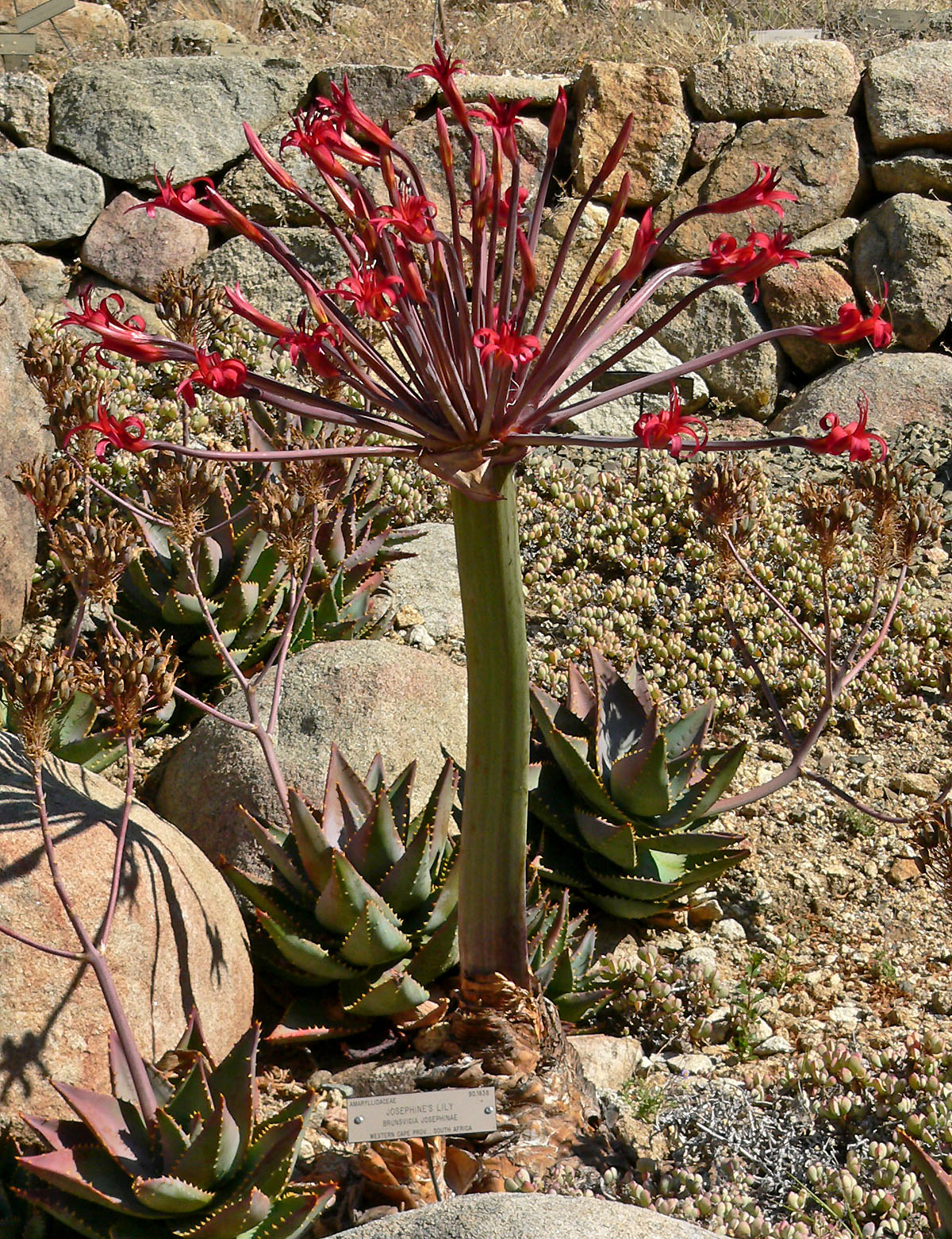 Brunsvigia
Bulbous plants with striking pink or red flowers from southern Africa
🇹🇿 Tanzania and 1 more · Wildflower
Brunsvigia
Bulbous plants with striking pink or red flowers from southern Africa
🇹🇿 Tanzania and 1 more · Wildflower
 Cape primroseStreptocarpus
A houseplant with tubular blooms from African mountains and forests
🇿🇦 South Africa and 7 more · Wildflower
Cape primroseStreptocarpus
A houseplant with tubular blooms from African mountains and forests
🇿🇦 South Africa and 7 more · Wildflower
 Tritonia
Strongly scented yellow to brown flowers from southern Africa
🇿🇦 South Africa and 7 more · Wildflower
Tritonia
Strongly scented yellow to brown flowers from southern Africa
🇿🇦 South Africa and 7 more · Wildflower