
Matricaria
A group of aromatic annuals known for their daisy-like flower heads
Matricaria is a group of annual plants in the sunflower family, often found in temperate regions of Eurasia, North America, and parts of Africa. These plants have finely divided leaves and small, dome-shaped yellow-green flower heads, sometimes with white petals. Some species are used in herbal teas and ointments.
- Matricaria includes plants known as mayweed
- Flowers may have white rays or none at all
- German chamomile is a well-known species in this group
- Plants are aromatic and often found in disturbed soils
What does Matricaria look like?
Plants in the Matricaria group are leafy annuals with stems that may sprawl or stand upright. Their leaves are divided into thin, narrow segments. The flower heads are rounded and greenish-yellow, sometimes surrounded by white petal-like rays, but these can be absent in some types. The flowers have a gentle scent and are small, usually growing in clusters.
Where does Matricaria come from?
Matricaria plants are native to temperate zones across Eurasia and North America, and some have spread to Australia and Africa. They are commonly found along roadsides, in disturbed soils, and in nutrient-rich fallow fields. Over time, several species have been moved between Matricaria and closely related genera, leading to ongoing debate among botanists about their classification.
When and how Matricaria blooms
These annuals grow from seed and thrive in soils that are rich and often disturbed, such as roadsides or abandoned lots. They are hardy and can tolerate a range of conditions, making them common in wild and cultivated herb gardens. Flowering occurs as the plants mature, with blooms appearing in clusters on leafy stems.

How Matricaria is used
People use Matricaria, especially M. chamomilla, to make herbal teas and extracts. The flowers are also used in ointments, lotions, and mouthwashes. In gardens, they are valued for their scent and appearance, and sometimes grown as border or herb plants. Some species are considered weeds in agricultural settings.
Kinds of Matricaria
Within Matricaria, some species have white ray florets around the yellow center, while others lack these petals. The genus is closely related to Tripleurospermum, and the distinction between them often depends on the structure of the seeds. Matricaria chamomilla is the best known for its use in herbal teas.
What Matricaria means
Matricaria chamomilla, or German chamomile, is widely used in herbal traditions for its calming properties and is a common ingredient in teas and aromatherapy oils. The genus is also important ecologically, serving as food for certain butterfly and moth caterpillars. Some species are considered nuisance weeds, but others are valued in gardens and herbal medicine.
Questions people ask about Matricaria
Where does Matricaria come from?
Matricaria species are native to temperate regions across Eurasia and North America, and some have become naturalized in Australia and Africa.
What does Matricaria look like?
These are leafy annual plants with finely divided leaves and rounded greenish-yellow flower heads, sometimes surrounded by white petal-like rays.
How is Matricaria used?
Matricaria, especially the species M. chamomilla, is used in herbal teas, ointments, lotions, and mouthwashes. It is also grown in gardens for its scent and appearance.
Is Matricaria the same as chamomile?
Matricaria includes German chamomile (M. chamomilla), which is commonly used in herbal teas. However, Roman chamomile comes from a related genus, Chamaemelum.
What does Matricaria symbolize?
The sources do not mention any specific symbolism for Matricaria, but it is valued for its uses in herbal medicine and as a garden plant.
Good reading and sources
- USDA Plants DatabaseUS Department of Agriculture, Article
- Index Nominum Genericorum (ING), Botany, Smithsonian InstitutionSmithsonian, Article
- Plants of the World OnlineRoyal Botanic Gardens, Kew, Plant database
- Where it has been recordedGBIF, Plant database
- Sightings and photos by naturalistsiNaturalist, Plant database
The facts on this page come from the Wikipedia article "Matricaria", written by its contributors and used under the CC BY-SA 4.0 licence, and from its Wikidata record (CC0). Phool rewrote the text in its own words, with AI assistance, and compares every page with the article to make sure no passage is copied. It may be reused under the same CC BY-SA 4.0 licence with a link back.
It may contain mistakes. It is not medical or foraging advice: many flowers are poisonous, and traditional uses are reported, not recommended. If something is wrong, tell us. Last refreshed 2026-10-03.
Others in the family Asteraceae
The whole family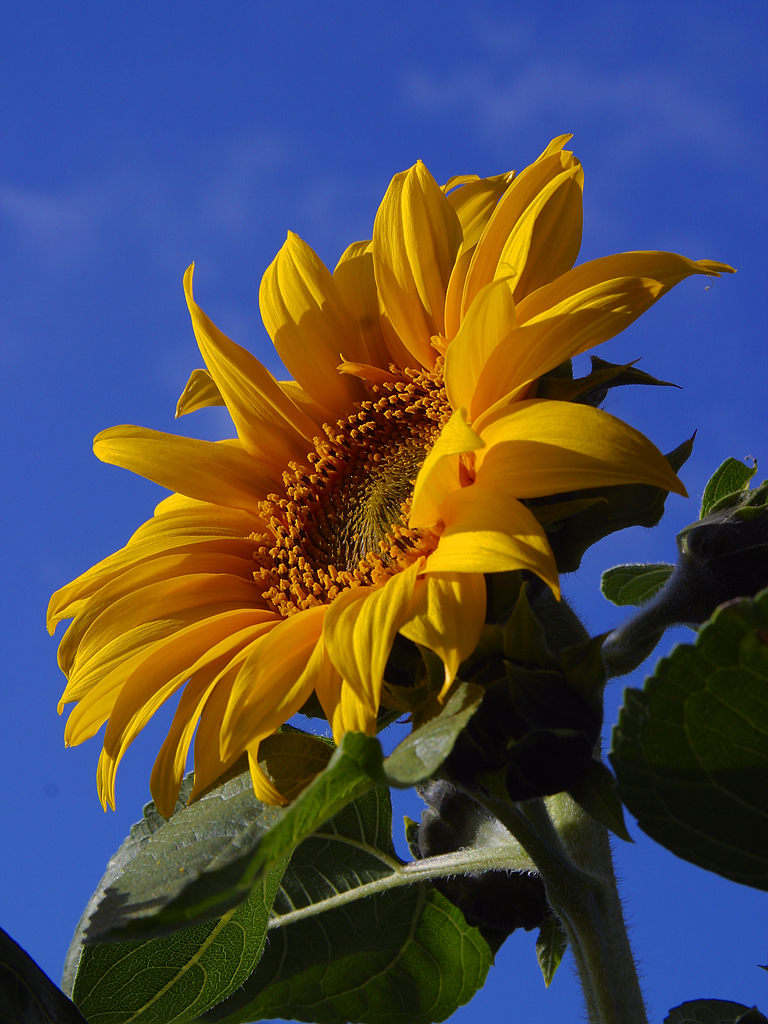 Common sunflowerHelianthus annuus
A tall annual plant grown for its large yellow flower heads and edible seeds
🇨🇦 Canada and 4 more · Wildflower
Common sunflowerHelianthus annuus
A tall annual plant grown for its large yellow flower heads and edible seeds
🇨🇦 Canada and 4 more · Wildflower
 Chrysanthemum菊花
Autumn-blooming flower with thousands of varieties, cherished in East Asia and beyond
🇨🇳 China and 6 more · Wildflower
Chrysanthemum菊花
Autumn-blooming flower with thousands of varieties, cherished in East Asia and beyond
🇨🇳 China and 6 more · Wildflower
 Asteraceae
The vast family of daisies, asters, and sunflowers with star-like flower heads
Asteraceae · Wildflower
Asteraceae
The vast family of daisies, asters, and sunflowers with star-like flower heads
Asteraceae · Wildflower
 DandelionTaraxacum
A yellow-flowered perennial found in fields, lawns, and gardens worldwide
Taraxacum · Wildflower
DandelionTaraxacum
A yellow-flowered perennial found in fields, lawns, and gardens worldwide
Taraxacum · Wildflower