
Scarlet runner bean
Phaseolus coccineus, family Fabaceae
A climbing bean with bright red flowers and edible pods and seeds
The scarlet runner bean is a perennial climbing plant from the mountains of Central America, now grown worldwide for its showy red flowers and edible beans. Its pods and seeds are used in many cuisines, and the plant is also valued as a garden ornamental, attracting bees and hummingbirds.
- Native to the highlands of Mexico and Guatemala
- Flowers are usually bright red, sometimes white or purple
- Pods and seeds are widely used in European and Mesoamerican dishes
- Attracts bees and hummingbirds to gardens
- Beans must be cooked well to remove toxins
What does Scarlet runner bean look like?
The scarlet runner bean is a vigorous climbing vine that can reach over 3 metres in length. Its flowers are usually bright red, though some varieties have white blooms. The pods are long, flat, and green, sometimes purple in rare forms, and can grow up to 25 cm. The seeds inside are large and multicoloured, with some cultivars producing white beans. The plant has tuberous roots and broad leaves, and its flowers attract bees and hummingbirds.
Where does Scarlet runner bean come from?
This plant originated in the highlands of Mexico and Guatemala, where it was cultivated as early as 2000 BC. It spread to North America and Europe in the 1600s, grown both for food and as an ornamental. Over time, it became popular in kitchen gardens and allotments, especially in Europe, and developed many local varieties. The name 'runner bean' comes from its climbing habit, and it is also called 'ayocote' in Spanish and 'fasolia gigantes' in Greece.
When and how Scarlet runner bean blooms
Scarlet runner beans are usually grown from seed in spring or early summer. They prefer cooler mountain climates but are widely cultivated in temperate regions as annuals. The vines need support to climb, such as poles or trellises. Flowers appear in summer, followed by pods that are harvested young for eating whole or left to mature for dried beans. In Mesoamerica, the starchy roots are also eaten.


How Scarlet runner bean is used
The pods are eaten as a vegetable when young and tender, while the mature seeds are cooked fresh or dried. The beans are featured in many regional dishes, such as 'Judiones de la Granja' in Spain and 'Gigantes plaki' in Greece. In Austria, the dried beans are served with pumpkin seed oil. The flowers are grown for their beauty and to attract pollinators. The plant is also used for temporary garden screening.
Kinds of Scarlet runner bean
There are many cultivated varieties, including 'Aeron Purple Star' with purple pods, 'Scarlet Runner' with red flowers, and 'Fasolia gigantes', a white-flowered, white-seeded type from Greece. 'Judión de la Granja' is a large white bean grown in Spain. In Mexico, the subspecies P. coccineus subsp. darwinianus is called botil bean. Some varieties are bred for ornamental flowers, others for edible seeds.
What Scarlet runner bean means
Scarlet runner beans are important in the cuisines of Spain, Greece, Austria, and Turkey. In Greece, certain regions have legal protection for their local white bean varieties. The plant is valued for attracting bees, which make a monofloral honey from its nectar in Poland. While the beans are nutritious, they must be cooked thoroughly to destroy toxins. The plant is also grown for its ornamental value in gardens.
Questions people ask about Scarlet runner bean
Where does the scarlet runner bean come from?
The scarlet runner bean originated in the mountains of Central America, especially Mexico and Guatemala, where it was cultivated thousands of years ago.
What does the scarlet runner bean look like?
It is a climbing vine with bright red or sometimes white flowers, long flat green or purple pods, and large multicoloured or white seeds.
How is the scarlet runner bean used?
Its young pods are eaten as a vegetable, and the mature seeds are cooked fresh or dried for use in dishes in Spain, Greece, Austria, and Turkey. The plant is also grown for its flowers.
Is the scarlet runner bean toxic?
Like all beans, it contains a toxic protein called phytohaemagglutinin and must be cooked well before eating.
What does the scarlet runner bean symbolise?
The sources do not mention any particular symbolism for the scarlet runner bean.
Good reading and sources
- Encyclopaedia BritannicaArticle
- USDA Plants DatabaseUS Department of Agriculture, Article
- Plants of the World OnlineRoyal Botanic Gardens, Kew, Plant database
- Where it has been recordedGBIF, Plant database
- Sightings and photos by naturalistsiNaturalist, Plant database
- Phaseolus coccineus on WikipediaEncyclopedia
- More photos on Wikimedia CommonsPhotos
- Wikidata recordOpen data
The facts on this page come from the Wikipedia article "Phaseolus coccineus", written by its contributors and used under the CC BY-SA 4.0 licence, and from its Wikidata record (CC0). Phool rewrote the text in its own words, with AI assistance, and compares every page with the article to make sure no passage is copied. It may be reused under the same CC BY-SA 4.0 licence with a link back.
It may contain mistakes. It is not medical or foraging advice: many flowers are poisonous, and traditional uses are reported, not recommended. If something is wrong, tell us. Last refreshed 2026-10-03.
Others in the family Fabaceae
The whole family Acacia
Shrubs and trees with golden or cream puffball flowers, native mostly to Australia
🇦🇺 Australia and 6 more · Wildflower
Acacia
Shrubs and trees with golden or cream puffball flowers, native mostly to Australia
🇦🇺 Australia and 6 more · Wildflower
 Sensitive PlantMimosa pudica
A touch-sensitive plant whose leaves fold up when disturbed
🇧🇷 Brazil and 8 more · Wildflower
Sensitive PlantMimosa pudica
A touch-sensitive plant whose leaves fold up when disturbed
🇧🇷 Brazil and 8 more · Wildflower
 Black locustRobinia pseudoacacia
A tall, fragrant-flowered tree native to eastern North America
🇺🇸 United States and 7 more · Flowering tree
Black locustRobinia pseudoacacia
A tall, fragrant-flowered tree native to eastern North America
🇺🇸 United States and 7 more · Flowering tree
 LupinLupinus
Tall, spiky-flowered legumes grown for gardens, food, and soil health
🇺🇸 United States and 7 more · Wildflower
LupinLupinus
Tall, spiky-flowered legumes grown for gardens, food, and soil health
🇺🇸 United States and 7 more · Wildflower
More from Mexico
All the flowers of Mexico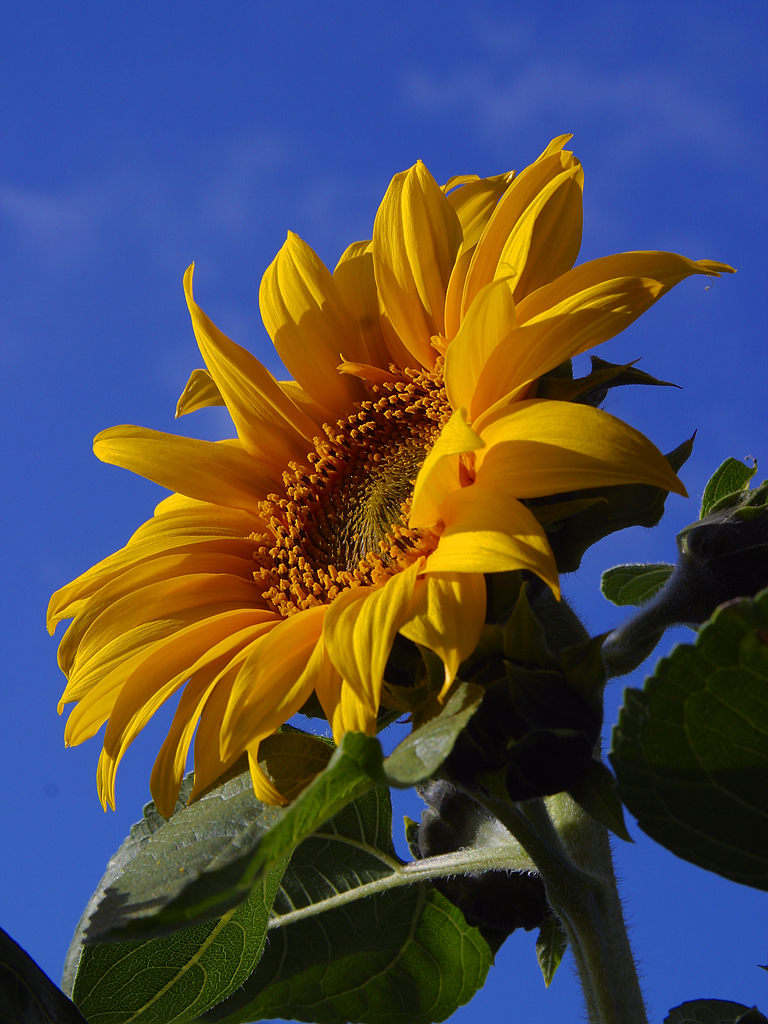 Common sunflowerHelianthus annuus
A tall annual plant grown for its large yellow flower heads and edible seeds
🇨🇦 Canada and 4 more · Wildflower
Common sunflowerHelianthus annuus
A tall annual plant grown for its large yellow flower heads and edible seeds
🇨🇦 Canada and 4 more · Wildflower
 CactusCactaceae
Succulent plants with spines, native to the Americas
🇲🇽 Mexico and 7 more · Wildflower
CactusCactaceae
Succulent plants with spines, native to the Americas
🇲🇽 Mexico and 7 more · Wildflower
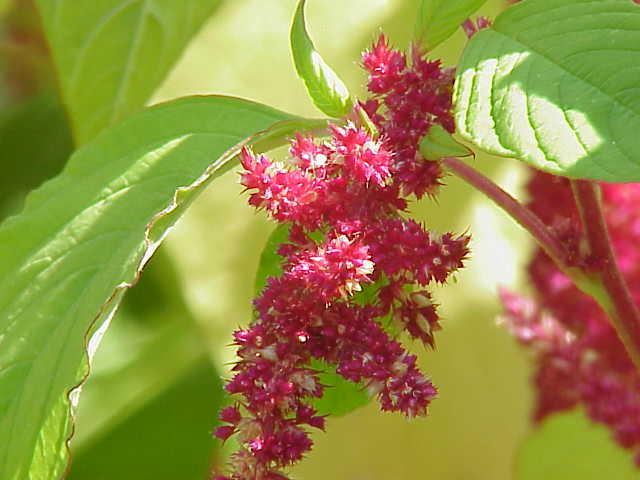 AmaranthAmaranthus
A tall, colourful plant grown for its flowers, leaves and edible seeds
🇲🇽 Mexico and 7 more · Wildflower
AmaranthAmaranthus
A tall, colourful plant grown for its flowers, leaves and edible seeds
🇲🇽 Mexico and 7 more · Wildflower
 HawthornCrataegus
A thorny shrub or tree with white or pink spring flowers and small edible fruits
🇮🇪 Ireland and 7 more · Wildflower
HawthornCrataegus
A thorny shrub or tree with white or pink spring flowers and small edible fruits
🇮🇪 Ireland and 7 more · Wildflower