
Fringed orchid
Platanthera, family Orchidaceae
A genus of showy terrestrial orchids with fringed or lobed lips
Platanthera is a group of about 150 terrestrial orchid species found across temperate parts of the Northern Hemisphere. Their flowers are often vividly coloured and may have fringed petals or deeply divided lips, growing in habitats from forests to bogs and tundra.
- Flowers may be purple, orange, yellow, green or white
- Grows in habitats ranging from bogs to tundra
- Pollinated by mosquitoes in some species
- Roots are fleshy or tuberous but never ovoid
- Leaves sheath the stem and change shape upward
What does Fringed orchid look like?
Platanthera orchids grow upright from fleshy or tuberous roots. Their leaves sheath the stem and change shape from broad at the base to narrow near the top. The flowers form a spike and are usually resupinate, twisted so the lip faces downward. Petals come in purple, orange, yellow, green or white, and in many North American kinds the lip is fringed or split into lobes.
Where does Fringed orchid come from?
Originally grouped under Orchis, Platanthera was separated by Louis Claude Richard, who named it for its wide anther structure. It is now defined more by what it lacks, such as the ovoid tubers of Orchis and certain stigma features of Habenaria, though some species blur these lines. The genus spans temperate zones of the Northern Hemisphere.
When and how Fringed orchid blooms
These perennial herbs grow from tubercles or fleshy root clusters. They thrive in varied soils, from alkaline ground to acidic bogs, and appear in open woods, clearings, wetlands and even tundra. Flower spikes develop at the top of the stem, bearing blooms that may be sparse or densely packed.


Kinds of Fringed orchid
Over 150 species are accepted, with major diversity in North America and East Asia. Some species hybridise easily, creating forms that challenge classification. A few, like P. nivea and P. clavellata, possess stigmatic processes despite this trait being considered absent in the genus.
What Fringed orchid means
Some Platanthera species rely on mosquitoes for pollination, a rare strategy among orchids. Their wide ecological tolerance allows them to occupy diverse habitats, from forest floors to open Arctic-like landscapes, contributing to their broad distribution.
Questions people ask about Fringed orchid
Where does Platanthera come from?
It is native to temperate regions across the Northern Hemisphere, including parts of North America, Europe, Asia and North Africa.
What do Platanthera flowers look like?
They form upright spikes with colourful blooms; many have fringed or deeply lobed lower petals, especially in North American species.
How is Platanthera different from other orchids?
It lacks the round tubers of Orchis and certain stigma structures of Habenaria, though some species show exceptions to these rules.
What kind of soil does it grow in?
It tolerates a wide range, from strongly alkaline to highly acidic bog soils, and grows in forests, wetlands and open tundra.
Good reading and sources
- USDA Plants DatabaseUS Department of Agriculture, Article
- Plants of the World OnlineRoyal Botanic Gardens, Kew, Plant database
- Where it has been recordedGBIF, Plant database
- Sightings and photos by naturalistsiNaturalist, Plant database
The facts on this page come from the Wikipedia article "Platanthera", written by its contributors and used under the CC BY-SA 4.0 licence, and from its Wikidata record (CC0). Phool rewrote the text in its own words, with AI assistance, and compares every page with the article to make sure no passage is copied. It may be reused under the same CC BY-SA 4.0 licence with a link back.
It may contain mistakes. It is not medical or foraging advice: many flowers are poisonous, and traditional uses are reported, not recommended. If something is wrong, tell us. Last refreshed 2026-10-03.
Others in the family Orchidaceae
The whole family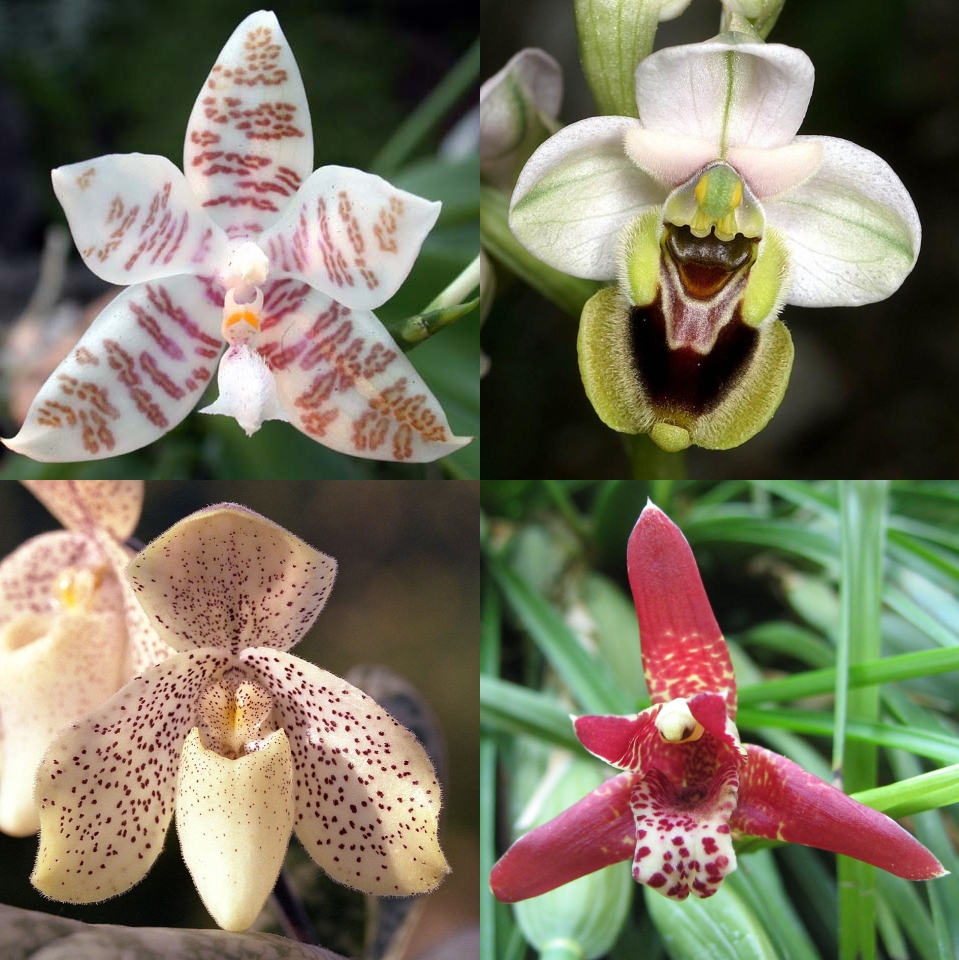 OrchidOrchidaceae
A vast family of colourful, often fragrant flowers found almost everywhere on earth
Orchidaceae · Wildflower
OrchidOrchidaceae
A vast family of colourful, often fragrant flowers found almost everywhere on earth
Orchidaceae · Wildflower
 Vanilla
Climbing orchids with pods used for the world’s most popular flavor
🇲🇽 Mexico and 7 more · Wildflower
Vanilla
Climbing orchids with pods used for the world’s most popular flavor
🇲🇽 Mexico and 7 more · Wildflower
 Orchis
A group of wild orchids with tuberous roots from Europe, North Africa and Asia
🇹🇷 Turkey and 7 more · Wildflower
Orchis
A group of wild orchids with tuberous roots from Europe, North Africa and Asia
🇹🇷 Turkey and 7 more · Wildflower
 Pansy orchidMiltoniopsis
An orchid with flowers that resemble garden pansies
🇨🇷 Costa Rica and 5 more · Orchid
Pansy orchidMiltoniopsis
An orchid with flowers that resemble garden pansies
🇨🇷 Costa Rica and 5 more · Orchid