
Primula
A large genus of spring-blooming wild and garden flowers from cool and mountain regions
Primula is a genus of over 400 species of herbaceous flowering plants, best known for primroses and cowslips. Native mainly to the Himalayas, China, and mountain regions across the Northern Hemisphere, these plants bloom in spring with flowers in many colours. They are widely grown in gardens and have been cultivated and hybridised for centuries.
- Primula has over 400 species, with most found in the Himalayas and China.
- Flowers bloom mainly in spring and come in purple, yellow, red, pink, blue, and white.
- Primroses and cowslips are familiar wild and garden flowers from this genus.
- Many hybrids and cultivars are grown for gardens, including polyanthus and auriculas.
- Primula was an early subject of Charles Darwin’s botanical research.
What does Primula look like?
Primula plants are mostly low-growing herbs with rosettes of green leaves at the base. Their flowers appear in spring, often in clusters on upright stems. The blooms can be spherical or arranged in umbels, and come in a wide range of colours including purple, yellow, red, pink, blue, and white. Some species have a powdery white coating on their leaves or stems. The genus includes well-known wildflowers like the primrose and cowslip, as well as many garden varieties.
Where does Primula come from?
Primula is native to temperate and cool mountain regions of the Northern Hemisphere, especially the Himalayas and western China, which are home to most species. Other centres of diversity include the mountains of Europe, western Asia, and North America. The genus was described by Linnaeus in the 18th century, but primroses were known to mediaeval herbalists. Over time, Primula has spread through cultivation and naturalisation in gardens and parks worldwide.
When and how Primula blooms
Primulas mostly bloom in spring, thriving in cool, humid climates and often found in alpine meadows, forest edges, and boggy ground. They are grown from seeds or young plants, with many hybrids and cultivars available. Gardeners select them for their varied flower shapes and colours. Some groups, like polyanthus and auriculas, are the result of extensive hybridisation and are grown as annuals or biennials.


How Primula is used
Primula species are valued as ornamental plants for gardens and parks, especially for their early spring flowers. Some wild species are local emblems or symbols. Specialist societies and nurseries cultivate and show rare or unusual varieties. The flowers are not widely used in religious or ceremonial contexts, but their bright blooms make them popular for home decoration.
Kinds of Primula
The genus includes over 400 species, such as Primula vulgaris (primrose), P. veris (cowslip), P. elatior (oxlip), and P. auricula (auricula). Many hybrids and cultivars exist, including polyanthus primulas and auriculas, which are grown for their diverse colours and forms. Botanists divide Primula into about thirty sections based on flower and leaf features.
What Primula means
Primula flowers are among the first to bloom in spring, which is reflected in their name, from the Latin for 'first.' They are often associated with the arrival of spring and renewal. In some regions, primroses and cowslips are traditional wildflowers and have become local emblems. The genus has also played a role in botanical studies, such as Darwin’s work on flower forms.
Where Primula is used and seen


Traditions that use it
Where to see Primula
 🇮🇳 Chamoli · Jul to SepValley of Flowers trekA high Himalayan valley in Uttarakhand that fills with alpine flowers during the monsoon.
 🇮🇳 Lachung · Apr to JunYumthang valley rhododendronsA high valley in north Sikkim where many kinds of rhododendron flower in late spring.
 🇮🇳 Darjeeling · Apr to MaySandakphu rhododendron trekA ridge walk along the India and Nepal border through rhododendron and magnolia forest in spring.
 🇳🇵 Pokhara · Mar to AprGhorepani rhododendron forest trekA short Annapurna trek through forests of Nepal's national flower, the red tree rhododendron.
Questions people ask about Primula
Where does Primula come from?
Most Primula species are native to the Himalayas and western China, but the genus is also found in mountain and cool regions across the Northern Hemisphere, including Europe, North America, and parts of Africa and Asia.
What does Primula look like?
Primula plants are low-growing herbs with rosettes of leaves and clusters of flowers that bloom in spring. The flowers come in many colours, including purple, yellow, red, pink, blue, and white, and may be spherical or arranged in umbels.
How is Primula used?
Primula species are mainly grown as ornamental plants in gardens and parks. Some species, like primrose and cowslip, are also local emblems or symbols. Specialist groups cultivate and show rare varieties, but they are not widely used in ceremonies.
Are there different types of Primula?
Yes, there are over 400 species, including well-known ones like primrose, cowslip, oxlip, and auricula. Many hybrids and cultivars have been developed for gardens, such as polyanthus and auriculas, offering a wide range of colours and forms.
What does Primula symbolise?
Primula flowers are often linked to the arrival of spring and renewal, as they are among the first to bloom after winter. In some places, they are traditional wildflowers and serve as local emblems.
Good reading and sources
- IUCN Red List of Threatened SpeciesIUCN Red List, Article
- Primula 'Broadwell Milkmaid' (Au)Royal Horticultural Society, Article
- Plants of the World OnlineRoyal Botanic Gardens, Kew, Plant database
- Where it has been recordedGBIF, Plant database
- Sightings and photos by naturalistsiNaturalist, Plant database
The facts on this page come from the Wikipedia article "Primula", written by its contributors and used under the CC BY-SA 4.0 licence, and from its Wikidata record (CC0). Phool rewrote the text in its own words, with AI assistance, and compares every page with the article to make sure no passage is copied. It may be reused under the same CC BY-SA 4.0 licence with a link back.
It may contain mistakes. It is not medical or foraging advice: many flowers are poisonous, and traditional uses are reported, not recommended. If something is wrong, tell us. Last refreshed 2026-10-03.
Others in the family Primulaceae
The whole family Cyclamen
Tubered Mediterranean flowers with upswept petals and patterned leaves
Cyclamen · Wildflower
Cyclamen
Tubered Mediterranean flowers with upswept petals and patterned leaves
Cyclamen · Wildflower
 Japanese primrosePrimula japonica
A spring-flowering primrose from damp places in Japan
🇯🇵 Japan · Wildflower
Japanese primrosePrimula japonica
A spring-flowering primrose from damp places in Japan
🇯🇵 Japan · Wildflower
 Primula sieboldii
A woodland primrose with clusters of delicate spring flowers
🇯🇵 Japan and 2 more · Wildflower
Primula sieboldii
A woodland primrose with clusters of delicate spring flowers
🇯🇵 Japan and 2 more · Wildflower
 SowbreadCyclamen hederifolium
A hardy Mediterranean cyclamen with ivy-shaped, patterned leaves and autumn blooms
🇫🇷 France and 2 more · Wildflower
SowbreadCyclamen hederifolium
A hardy Mediterranean cyclamen with ivy-shaped, patterned leaves and autumn blooms
🇫🇷 France and 2 more · Wildflower
More from China
All the flowers of China PeachPrunus persica
A flowering fruit tree from China, grown for its pink blossoms and sweet fruit
🇨🇳 China and 7 more · Flowering tree
PeachPrunus persica
A flowering fruit tree from China, grown for its pink blossoms and sweet fruit
🇨🇳 China and 7 more · Flowering tree
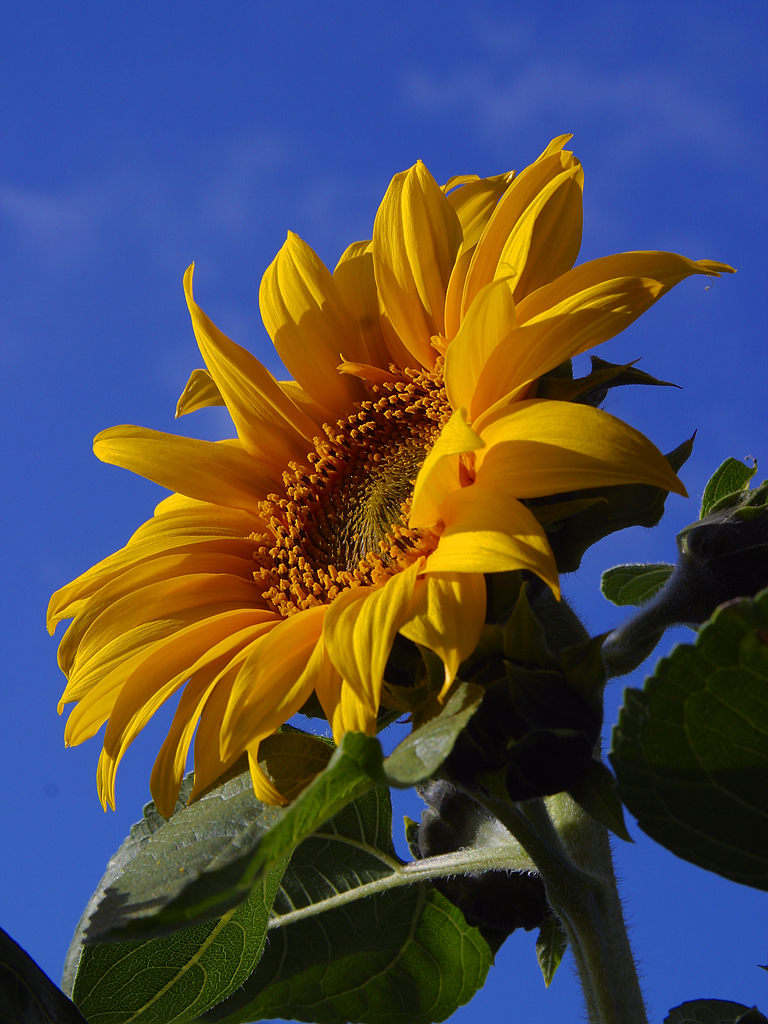 Common sunflowerHelianthus annuus
A tall annual plant grown for its large yellow flower heads and edible seeds
🇨🇦 Canada and 4 more · Wildflower
Common sunflowerHelianthus annuus
A tall annual plant grown for its large yellow flower heads and edible seeds
🇨🇦 Canada and 4 more · Wildflower
 PomegranatePunica granatum
A shrub with bright red flowers and a fruit full of edible seeds
🇮🇷 Iran and 9 more · Flowering shrub
PomegranatePunica granatum
A shrub with bright red flowers and a fruit full of edible seeds
🇮🇷 Iran and 9 more · Flowering shrub
 BirchBetula
Slender trees with papery bark found across the northern world
🇨🇳 China and 7 more · Wildflower
BirchBetula
Slender trees with papery bark found across the northern world
🇨🇳 China and 7 more · Wildflower