
Cabbage rose
Rosa × centifolia, family Rosaceae
A highly scented old rose grown for perfume and gardens
Cabbage rose is a shrubby hybrid rose with round, many-petalled flowers, usually pink and strongly fragrant. Developed in Europe from the 17th to 19th centuries, it is closely linked to Grasse, France, where its blooms are harvested for rose oil used in perfumes.
- Flowers are highly scented, with sweet and honey-like notes
- Mainly grown in Grasse, France for rose oil used in perfumes
- Blooms are usually pink, but can be white or deep red-purple
- Developed by Dutch breeders from the 17th century onward
What does Cabbage rose look like?
Cabbage rose is a bushy rose with long, arching stems and greyish green leaves divided into 5 to 7 leaflets. Its flowers are large, round, and globular, packed with many thin, overlapping petals. Most blooms are pink, but some range from white to deep red-purple. The scent is strong, sweet, and often described as having light honey notes. The plant reaches about 1.5 to 2 meters tall and is grown both for its beauty and fragrance.
Where does Cabbage rose come from?
This rose is a hybrid developed by Dutch breeders between the 17th and 19th centuries, though its exact origins are not fully clear. Its ancestry includes Rosa × damascena, but it is a complex hybrid and not the same as the 'hundred-leaved' rose of ancient texts. The first clear mention dates to around 1580. The original plant was sterile, but later sports and mutations led to the many forms grown today. It became especially associated with Grasse, France, a center for perfume production.
When and how Cabbage rose blooms
Cabbage rose blooms mainly in spring. It grows as a shrub in gardens and is propagated from cuttings or by layering, since the original hybrid was sterile. The flowers are picked when fully open, especially in Grasse, for their oil. The plant prefers temperate climates and is valued for its abundant, fragrant blooms.

How Cabbage rose is used
The main use of cabbage rose is for its fragrance. In Grasse, the flowers are harvested to produce rose oil, a key ingredient in many perfumes. Gardeners also grow it for its showy, scented flowers, and it is sometimes given as a gift. The rose has appeared in art, such as the portrait of Marie Antoinette by Élisabeth Vigée Le Brun.
Kinds of Cabbage rose
Several well-known cultivars exist, including 'Bullata' (Lettuce Rose), 'Cristata' (Chapeau de Napoleon), 'Fantin-Latour', 'Petite de Hollande', 'Rose de Meaux', 'Unique Blanche', and 'Village Maid'. Some, like 'Fantin-Latour', have received awards for garden merit. There are also moss roses, which have resinous hairs on the buds, and miniature forms.
What Cabbage rose means
Cabbage rose is closely tied to the perfume industry in Grasse, France, and is a symbol of classic rose fragrance. It has been featured in art and is appreciated for its historical and horticultural significance. The rose is not linked to specific religious or national symbolism in the sources, but its scent and appearance have made it a favorite in gardens and culture.
Traditions that use it
Where to see Cabbage rose

Questions people ask about Cabbage rose
Where does the cabbage rose come from?
Cabbage rose was developed in Europe, especially by Dutch breeders between the 17th and 19th centuries. Its ancestry includes Rosa × damascena, and it is now closely tied to the city of Grasse in France.
What does the cabbage rose look like?
It is a shrub with long, drooping stems and greyish green leaves. The flowers are round, full of many thin petals, and are mostly pink, though some are white or deep red-purple.
What is the cabbage rose used for?
The main use is for its fragrant flowers, which are harvested in Grasse, France to make rose oil for perfumes. It is also grown in gardens for its beauty and scent.
Does the cabbage rose have any special meaning?
The sources do not mention any specific symbolism, but it is valued for its strong fragrance and has appeared in art, such as a famous portrait of Marie Antoinette.
Are there different types of cabbage rose?
Yes, there are several cultivars, including 'Bullata', 'Fantin-Latour', 'Cristata', and moss roses with hairy buds. Some are miniature forms.
Good reading and sources
- Rosa × centifolia 'Cristata' (Ce)Royal Horticultural Society, Article
- USDA Plants DatabaseUS Department of Agriculture, Article
- Plants of the World OnlineRoyal Botanic Gardens, Kew, Plant database
- Where it has been recordedGBIF, Plant database
- Sightings and photos by naturalistsiNaturalist, Plant database
- Rosa × centifolia on WikipediaEncyclopedia
- More photos on Wikimedia CommonsPhotos
- Wikidata recordOpen data
The facts on this page come from the Wikipedia article "Rosa × centifolia", written by its contributors and used under the CC BY-SA 4.0 licence, and from its Wikidata record (CC0). Phool rewrote the text in its own words, with AI assistance, and compares every page with the article to make sure no passage is copied. It may be reused under the same CC BY-SA 4.0 licence with a link back.
It may contain mistakes. It is not medical or foraging advice: many flowers are poisonous, and traditional uses are reported, not recommended. If something is wrong, tell us. Last refreshed 2026-10-03.
Others in the family Rosaceae
The whole family RoseRosa
Woody perennial plants with showy, often fragrant flowers in many colours
Rosa · Wildflower
RoseRosa
Woody perennial plants with showy, often fragrant flowers in many colours
Rosa · Wildflower
 AlmondPrunus amygdalus
A Mediterranean tree grown for its fragrant spring flowers and edible seeds
🇮🇷 Iran and 6 more · Flowering tree
AlmondPrunus amygdalus
A Mediterranean tree grown for its fragrant spring flowers and edible seeds
🇮🇷 Iran and 6 more · Flowering tree
 Wild cherryPrunus avium
A tall flowering tree native to Europe, grown for its sweet fruit and spring blossom
🇮🇹 Italy and 6 more · Flowering tree
Wild cherryPrunus avium
A tall flowering tree native to Europe, grown for its sweet fruit and spring blossom
🇮🇹 Italy and 6 more · Flowering tree
 HawthornCrataegus
A thorny shrub or tree with white or pink spring flowers and small edible fruits
🇮🇪 Ireland and 7 more · Wildflower
HawthornCrataegus
A thorny shrub or tree with white or pink spring flowers and small edible fruits
🇮🇪 Ireland and 7 more · Wildflower
More from China
All the flowers of China PeachPrunus persica
A flowering fruit tree from China, grown for its pink blossoms and sweet fruit
🇨🇳 China and 7 more · Flowering tree
PeachPrunus persica
A flowering fruit tree from China, grown for its pink blossoms and sweet fruit
🇨🇳 China and 7 more · Flowering tree
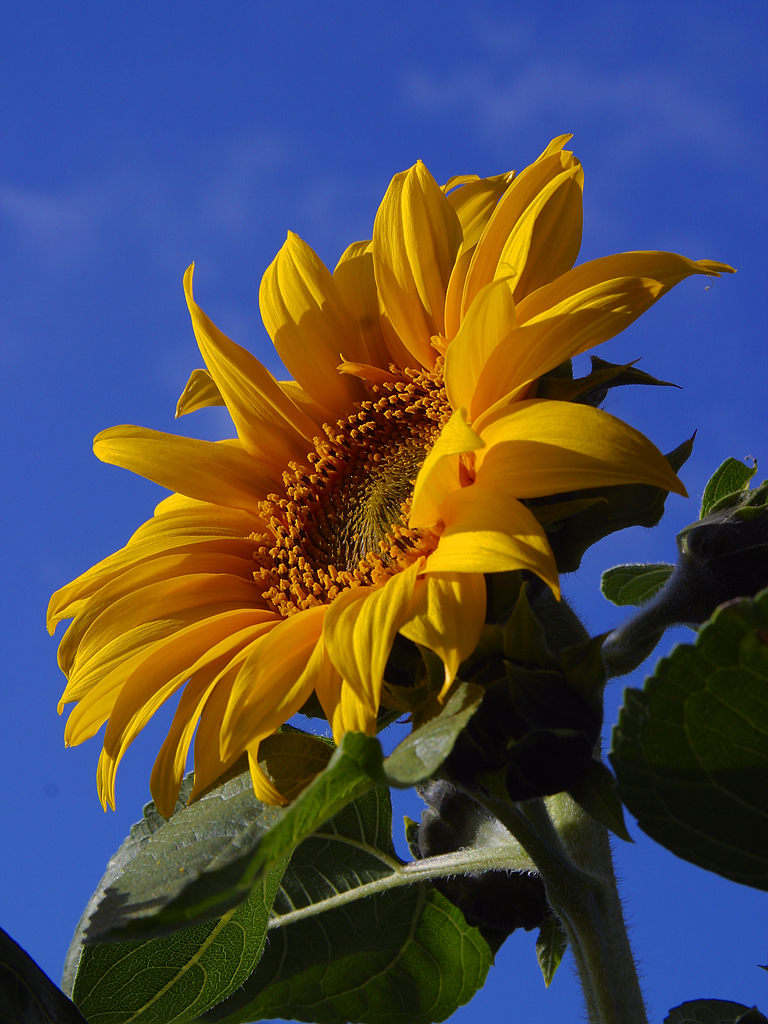 Common sunflowerHelianthus annuus
A tall annual plant grown for its large yellow flower heads and edible seeds
🇨🇦 Canada and 4 more · Wildflower
Common sunflowerHelianthus annuus
A tall annual plant grown for its large yellow flower heads and edible seeds
🇨🇦 Canada and 4 more · Wildflower
 PomegranatePunica granatum
A shrub with bright red flowers and a fruit full of edible seeds
🇮🇷 Iran and 9 more · Flowering shrub
PomegranatePunica granatum
A shrub with bright red flowers and a fruit full of edible seeds
🇮🇷 Iran and 9 more · Flowering shrub
 ApricotPrunus armeniaca
A small fruit tree with early white to pink blossoms and golden-orange fruit
🇨🇳 China and 6 more · Flowering tree
ApricotPrunus armeniaca
A small fruit tree with early white to pink blossoms and golden-orange fruit
🇨🇳 China and 6 more · Flowering tree