
Sea-buckthorn
Hippophae rhamnoides, family Elaeagnaceae
A spiny shrub with bright orange berries used in food, medicine and land care
Sea-buckthorn is a hardy, deciduous shrub with silvery-green leaves and dense clusters of small orange berries. Native to cold-temperate parts of Europe and Asia, it grows on coasts, riverbanks and hillsides, and is valued for its fruit, soil-enriching roots and use in ecological restoration.
- Fixes nitrogen in soil via symbiosis with Frankia bacteria
- Berries contain up to 400 mg vitamin C per 100 grams
- Grows in salty, dry or eroded soils where few plants survive
- China cultivates over 1.5 million hectares of sea-buckthorn
- Male and female flowers grow on separate shrubs
What does Sea-buckthorn look like?
Sea-buckthorn is a thorny, deciduous shrub that typically reaches 2 to 5 metres tall, though some Asian forms grow much higher. It has narrow, lance-shaped leaves that start silvery-green and darken above while staying pale underneath. Small, petal-less flowers appear on separate male and female plants. The fruit are round to oval berries, 6–8 mm wide, growing in tight clusters and ranging from pale yellow to deep orange.
Where does Sea-buckthorn come from?
This species occurs naturally across a broad belt from western Europe through central Asia to the Himalayas and northern China. It thrives in harsh environments, coastal dunes, dry slopes, river valleys, and has spread further through planting in Canada, Chile, Japan and elsewhere for its ecological and economic value. China now holds the largest cultivated area worldwide.
When and how Sea-buckthorn blooms
It blooms in spring when temperatures reach 10–15°C, relying on wind to carry pollen from male to female shrubs. Fruit develop through summer and ripen into dense orange clusters. The plant tolerates extreme cold (down to −43°C) and heat up to 40°C. It grows best in light, well-drained soils with neutral pH and some organic matter, and can produce berries at elevations up to 2,000 metres.


How Sea-buckthorn is used
Its tart berries are pressed for juice, made into jams or used as natural colouring. Dried leaves brew into tea. Oil from seeds and pulp goes into cosmetics like creams and shampoos. In traditional medicine, especially in Russia and Northeast Asia, it treats skin and digestive issues. Farmers also feed leftover plant material to poultry and livestock to improve weight gain.
Kinds of Sea-buckthorn
Seven subspecies are recognised. European types like subsp. rhamnoides stay under 5 m, while Chinese ones such as subsp. yunnanensis and subsp. wolongensis can reach 15–18 m. Differences include leaf vein count, hair density and thorniness. Subsp. fluviatilis, sometimes grouped with the nominate form, has fewer spines and is favoured in breeding for easier harvest.
What Sea-buckthorn means
Though not tied to major religious rites, sea-buckthorn supports biodiversity by sheltering birds like fieldfares and pheasants and feeding small mammals. Its name comes from ancient Greek: 'hippos' (horse) and 'phaos' (light), recalling its historical use to make horses’ coats gleam. Today it symbolises resilience, serving in land reclamation and agroforestry across degraded temperate zones.
Questions people ask about Sea-buckthorn
Where does sea-buckthorn come from?
It is native to cold-temperate regions stretching from western Europe through central Asia to northern China and the Himalayas.
What are sea-buckthorn berries used for?
They are processed into juice, jam, oil and natural food colouring. Their high vitamin content also supports use in traditional medicine and cosmetics.
Why is sea-buckthorn planted on farmland?
Its deep roots stabilise soil, prevent erosion, and enrich the earth by fixing nitrogen, making it valuable for land restoration and agroforestry.
Do you need two plants to get berries?
Yes. Sea-buckthorn is dioecious: only female shrubs bear fruit, but they require a nearby male plant for wind-based pollination.
Good reading and sources
- Encyclopaedia BritannicaArticle
- Hippophae rhamnoides 'Leikora' (f/F)Royal Horticultural Society, Article
- USDA Plants DatabaseUS Department of Agriculture, Article
- Plants of the World OnlineRoyal Botanic Gardens, Kew, Plant database
- Where it has been recordedGBIF, Plant database
- Sightings and photos by naturalistsiNaturalist, Plant database
- Sea buckthorn on WikipediaEncyclopedia
- More photos on Wikimedia CommonsPhotos
- Wikidata recordOpen data
The facts on this page come from the Wikipedia article "Sea buckthorn", written by its contributors and used under the CC BY-SA 4.0 licence, and from its Wikidata record (CC0). EveryPhool rewrote the text in its own words, with AI assistance, and compares every page with the article to make sure no passage is copied. It may be reused under the same CC BY-SA 4.0 licence with a link back.
It may contain mistakes. It is not medical or foraging advice: many flowers are poisonous, and traditional uses are reported, not recommended. If something is wrong, tell us. Last refreshed 2026-10-04.
Others in the family Elaeagnaceae
The whole family Sea-buckthornHippophae
A thorny, cold-hardy shrub bearing silvery leaves and vibrant, vitamin-packed berries
🇨🇳 China and 7 more · Flowering shrub
Sea-buckthornHippophae
A thorny, cold-hardy shrub bearing silvery leaves and vibrant, vitamin-packed berries
🇨🇳 China and 7 more · Flowering shrub
 Oleaster familyElaeagnaceae
Hardy thorny shrubs and small trees with silvery foliage and edible berries
🇦🇺 Australia and 4 more · Flowering shrub
Oleaster familyElaeagnaceae
Hardy thorny shrubs and small trees with silvery foliage and edible berries
🇦🇺 Australia and 4 more · Flowering shrub
 Russian oliveElaeagnus angustifolia
A thorny tree with silvery leaves, fragrant yellow flowers and edible red fruit
🇨🇳 China and 7 more · Flowering tree
Russian oliveElaeagnus angustifolia
A thorny tree with silvery leaves, fragrant yellow flowers and edible red fruit
🇨🇳 China and 7 more · Flowering tree
 SilverberryElaeagnus
A shrub or small tree with silvery leaves and fragrant, petal-less flowers
🇵🇭 Philippines and 2 more · Flowering shrub
SilverberryElaeagnus
A shrub or small tree with silvery leaves and fragrant, petal-less flowers
🇵🇭 Philippines and 2 more · Flowering shrub
More from China
All the flowers of China RoseRosa
Prickly flowering shrubs grown across the world for fragrant blossoms and rose hips
🇨🇳 China and 7 more · Flowering shrub
RoseRosa
Prickly flowering shrubs grown across the world for fragrant blossoms and rose hips
🇨🇳 China and 7 more · Flowering shrub
 PeachPrunus persica
A flowering fruit tree from China, grown for its pink blossoms and sweet fruit
🇨🇳 China and 7 more · Flowering tree
PeachPrunus persica
A flowering fruit tree from China, grown for its pink blossoms and sweet fruit
🇨🇳 China and 7 more · Flowering tree
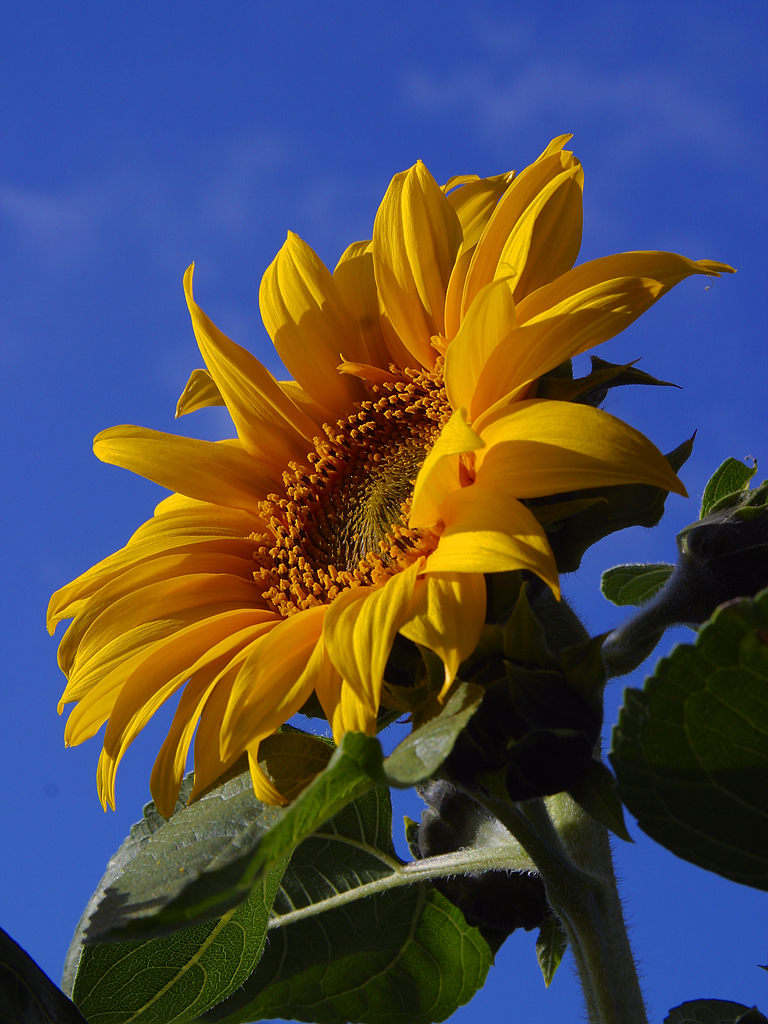 Common sunflowerHelianthus annuus
A tall annual plant grown for its large yellow flower heads and edible seeds
🇨🇦 Canada and 4 more · Wildflower
Common sunflowerHelianthus annuus
A tall annual plant grown for its large yellow flower heads and edible seeds
🇨🇦 Canada and 4 more · Wildflower
 PomegranatePunica granatum
A shrub with bright red flowers and a fruit full of edible seeds
🇮🇷 Iran and 9 more · Flowering shrub
PomegranatePunica granatum
A shrub with bright red flowers and a fruit full of edible seeds
🇮🇷 Iran and 9 more · Flowering shrub