
Feverfew
Tanacetum parthenium, family Asteraceae
A bushy perennial with white and yellow daisy-like flowers
Feverfew is a perennial herb with small white flowers and yellow centers, grown for its appearance and scent. Native to parts of southeastern Europe and western Asia, it now grows in gardens and wild areas worldwide, and has a long history in traditional European herbal practices.
- Feverfew has white ray florets and yellow disc florets
- The plant is native to the Balkans, Anatolia, and the Caucasus
- It has a strong, pungent scent from its leaves
- Feverfew has a long history in European herbal medicine
- It can spread quickly by seed and become weedy
What does Feverfew look like?
Feverfew is a small bushy plant that can reach up to 70 cm in height. Its leaves are light yellow-green and have a divided, feathery shape. The flowers look like miniature daisies, with white petals around a yellow center, and are grouped loosely at the top of the stems. The leaves and stems give off a strong, pungent scent when touched.
Where does Feverfew come from?
This plant is originally from southeastern Europe and parts of western Asia, including the Balkans, Anatolia, and the Caucasus. Over time, people have spread it far beyond its native range, and it is now found in gardens and wild spaces across the world. The name 'feverfew' may come from its feathery leaves. Ancient Greek texts mention its use, with Dioscorides writing about it in the 1st century CE.
When and how Feverfew blooms
Feverfew grows as a perennial, returning year after year. It prefers sunny spots and well-drained soil, and is often planted about 40 cm apart. The plant produces many seeds, which help it spread quickly. It can thrive in temperate climates and is hardy to cold winters. In some places outside its native area, it may become weedy.

How Feverfew is used
People have grown feverfew mainly for its decorative flowers and strong scent. It has a long tradition in European herbal medicine, though modern science does not support its effectiveness for any medical condition. Some use it as a dietary supplement, but its chemical content can vary widely. The plant can cause allergic reactions and other side effects, especially for those sensitive to the daisy family.
Kinds of Feverfew
Feverfew is sometimes listed under other scientific names, such as Chrysanthemum parthenium and Pyrethrum parthenium. While there are no widely recognized ornamental varieties, its ability to spread by seed means it can show some variation in gardens and wild populations.
What Feverfew means
Feverfew has been valued in European herbal traditions for centuries. Ancient Greek physicians wrote about its uses, and it has been included in herbal texts over the ages. Today, it is mostly grown for its appearance and scent, and as a nod to its place in herbal history. It is not linked to any particular festival or religious practice.
Questions people ask about Feverfew
Where does feverfew come from?
Feverfew is native to southeastern Europe and western Asia, especially the Balkans, Anatolia, and the Caucasus. It has since spread to gardens and wild areas around the world.
What does feverfew look like?
It is a bushy perennial plant with divided yellow-green leaves and small daisy-like flowers. The flowers have white petals and a yellow center, and the plant can grow up to 70 cm tall.
How is feverfew used?
Feverfew is grown mainly for its decorative flowers and strong scent. It has a history in traditional European medicine, but there is no clinical evidence for its effectiveness in treating any condition.
Is feverfew safe to use?
Feverfew can cause allergic reactions, especially in people sensitive to the daisy family. Other side effects may include digestive upset and mouth ulcers. It is not recommended for pregnant women and may interact with certain medications.
Does feverfew have any symbolic meaning?
While feverfew has been valued in herbal traditions, it is not widely associated with symbolism, festivals, or religious practices.
Good reading and sources
- Encyclopaedia BritannicaArticle
- USDA Plants DatabaseUS Department of Agriculture, Article
- IUCN Red List of Threatened SpeciesIUCN Red List, Article
- Plants of the World OnlineRoyal Botanic Gardens, Kew, Plant database
- Where it has been recordedGBIF, Plant database
- Sightings and photos by naturalistsiNaturalist, Plant database
- Tanacetum parthenium on WikipediaEncyclopedia
- More photos on Wikimedia CommonsPhotos
- Wikidata recordOpen data
The facts on this page come from the Wikipedia article "Tanacetum parthenium", written by its contributors and used under the CC BY-SA 4.0 licence, and from its Wikidata record (CC0). Phool rewrote the text in its own words, with AI assistance, and compares every page with the article to make sure no passage is copied. It may be reused under the same CC BY-SA 4.0 licence with a link back.
It may contain mistakes. It is not medical or foraging advice: many flowers are poisonous, and traditional uses are reported, not recommended. If something is wrong, tell us. Last refreshed 2026-10-03.
Others in the family Asteraceae
The whole family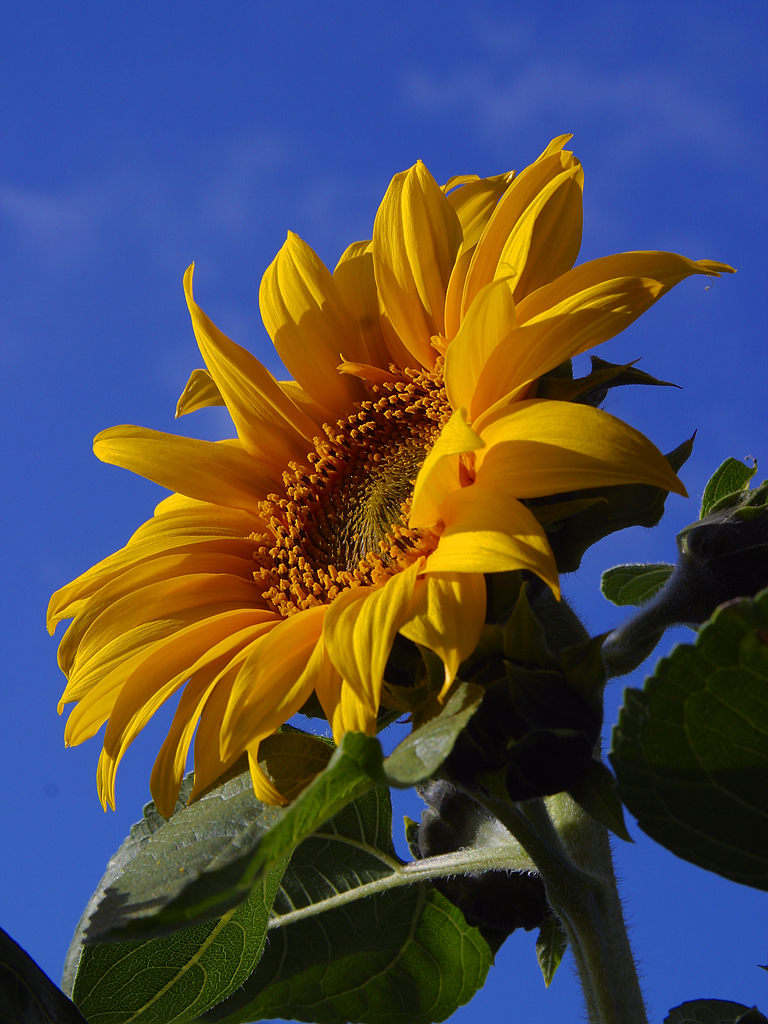 Common sunflowerHelianthus annuus
A tall annual plant grown for its large yellow flower heads and edible seeds
🇨🇦 Canada and 4 more · Wildflower
Common sunflowerHelianthus annuus
A tall annual plant grown for its large yellow flower heads and edible seeds
🇨🇦 Canada and 4 more · Wildflower
 Chrysanthemum菊花
Autumn-blooming flower with thousands of varieties, cherished in East Asia and beyond
🇨🇳 China and 6 more · Wildflower
Chrysanthemum菊花
Autumn-blooming flower with thousands of varieties, cherished in East Asia and beyond
🇨🇳 China and 6 more · Wildflower
 Asteraceae
The vast family of daisies, asters, and sunflowers with star-like flower heads
Asteraceae · Wildflower
Asteraceae
The vast family of daisies, asters, and sunflowers with star-like flower heads
Asteraceae · Wildflower
 DandelionTaraxacum
A yellow-flowered perennial found in fields, lawns, and gardens worldwide
Taraxacum · Wildflower
DandelionTaraxacum
A yellow-flowered perennial found in fields, lawns, and gardens worldwide
Taraxacum · Wildflower