
Didier's tulip
Tulipa gesneriana, family Liliaceae
The classic tall tulip behind most garden and cut-flower varieties
Didier's tulip is a tall, late-blooming species with large, showy flowers, grown worldwide as an ornamental. Native to parts of China, it is the main ancestor of most modern tulip cultivars and was central to the tulip mania in 17th-century Europe.
- Ancestor of most modern garden tulips
- Central to the Dutch tulip mania of the 1600s
- Tall, late-blooming with a single large flower
- Native to China, especially Fujian
- Pollinated by Halictus bees
What does Didier's tulip look like?
Didier's tulip is a bulbous plant with tall stems and a single, large, upright flower per stem. The flowers are broadly bell-shaped, with smooth, rounded petals and six stamens inside. Leaves are long, narrow, and can be either straight or slightly curved. The plant is known for its showy appearance and is the main source of the many colourful tulip varieties seen in gardens and floral displays.
Where does Didier's tulip come from?
Tulipa gesneriana likely originated in Central Asia, with wild populations in China, including Fujian. It became widely known through the Ottoman Empire, where sultans collected and hybridized tulips in their gardens. The species was introduced to Europe from Istanbul in the mid-16th century and named by Carl Linnaeus in 1753, honouring botanist Conrad Gesner. It soon became the type species for the tulip genus.
When and how Didier's tulip blooms
Didier's tulip grows from a bulb, which produces offsets to form new plants. It blooms in spring, usually April or May, after a period of cold that is needed for proper flowering. The plant prefers temperate climates and is very frost-hardy. Most garden tulips are hybrids derived from this species, grown from bulbs planted in autumn.


How Didier's tulip is used
The main use of Didier's tulip is as an ornamental plant in gardens, parks, and as a cut flower. Its bulbs have sometimes been dried and ground to add to flour or cereals, though contact with the plant can cause skin irritation in some people. The species is also a symbol of status and beauty, especially in European history.
Kinds of Didier's tulip
Most modern tulip cultivars come from Tulipa gesneriana, making it the foundation for a huge range of shapes and colours. The species itself is a complex hybrid, and closely related to Tulipa sauveolens. Tulip mania in the Netherlands involved rare varieties, including the famous Semper Augustus.
What Didier's tulip means
Didier's tulip became a symbol of wealth and prestige in 17th-century Europe, especially during the Dutch tulip mania, when bulbs were traded for extravagant sums. It is also the origin of most tulip varieties grown today. The plant is pollinated by Halictus bees and has become naturalised in parts of Europe and North America.
Traditions that use it
Where to see Didier's tulip

Questions people ask about Didier's tulip
Where does Didier's tulip come from?
Didier's tulip is native to China, including the Fujian region, and likely originated in Central Asia. It was introduced to Europe from the Ottoman Empire in the 16th century.
What does Didier's tulip look like?
It is a tall plant with a single, large, upright flower on each stem. The leaves are long and narrow, and the flower is broadly bell-shaped with smooth petals.
What is Didier's tulip used for?
It is mainly grown as an ornamental plant in gardens and for cut flowers. The bulbs have also been used in food in some cases, though they can cause skin irritation.
Why is Didier's tulip important in history?
It was the main tulip involved in the Dutch tulip mania of the 1600s, when bulbs became a symbol of wealth and were traded for high prices.
Is Didier's tulip the same as other tulips?
Most modern tulip varieties are derived from Didier's tulip, making it the main ancestor of garden and cut-flower tulips.
Good reading and sources
- USDA Plants DatabaseUS Department of Agriculture, Article
- Plants of the World OnlineRoyal Botanic Gardens, Kew, Plant database
- Where it has been recordedGBIF, Plant database
- Sightings and photos by naturalistsiNaturalist, Plant database
- Tulipa gesneriana on WikipediaEncyclopedia
- More photos on Wikimedia CommonsPhotos
- Wikidata recordOpen data
The facts on this page come from the Wikipedia article "Tulipa gesneriana", written by its contributors and used under the CC BY-SA 4.0 licence, and from its Wikidata record (CC0). Phool rewrote the text in its own words, with AI assistance, and compares every page with the article to make sure no passage is copied. It may be reused under the same CC BY-SA 4.0 licence with a link back.
It may contain mistakes. It is not medical or foraging advice: many flowers are poisonous, and traditional uses are reported, not recommended. If something is wrong, tell us. Last refreshed 2026-10-03.
Others in the family Liliaceae
The whole family TulipTulipa
Spring-blooming bulbs with showy, cup-shaped flowers in many colours
🇳🇱 Netherlands and 7 more · Wildflower
TulipTulipa
Spring-blooming bulbs with showy, cup-shaped flowers in many colours
🇳🇱 Netherlands and 7 more · Wildflower
 LilyLilium
Tall bulb flowers with large, colourful blooms in many gardens and cultures
Lilium · Wildflower
LilyLilium
Tall bulb flowers with large, colourful blooms in many gardens and cultures
Lilium · Wildflower
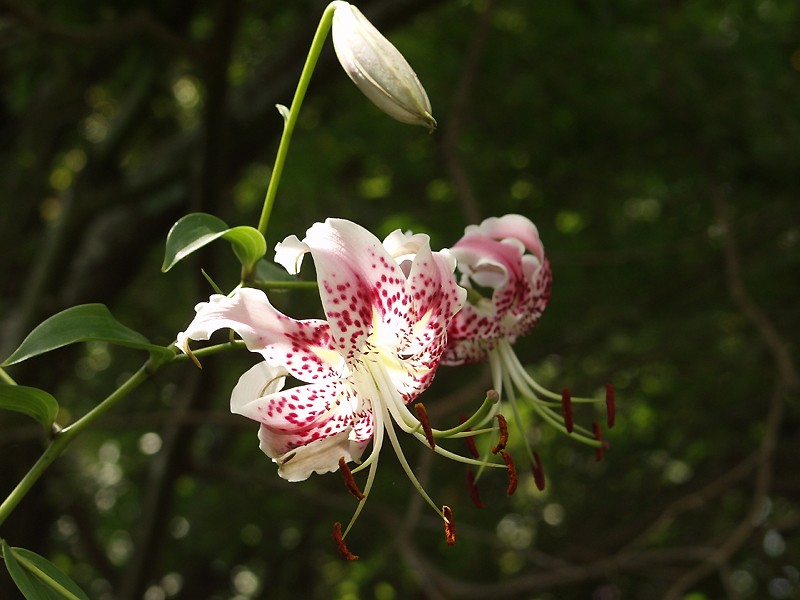 Lilium speciosum
A late-summer lily with fragrant white to pink flowers from East Asia
🇯🇵 Japan and 2 more · Wildflower
Lilium speciosum
A late-summer lily with fragrant white to pink flowers from East Asia
🇯🇵 Japan and 2 more · Wildflower
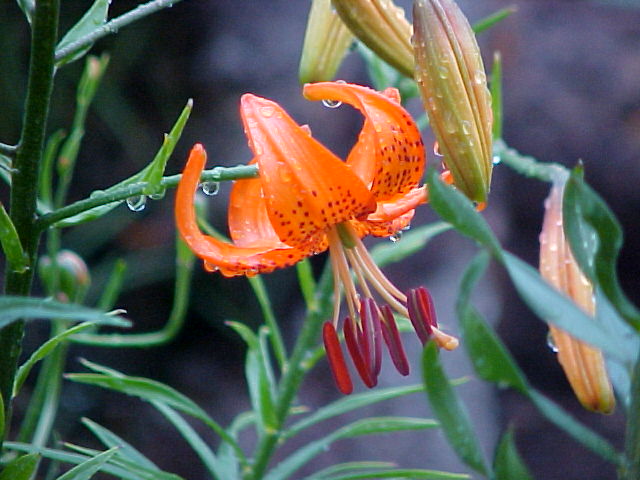 Lilium davidii
A tall Asian lily with edible bulbs and orange recurved flowers
🇨🇳 China and 1 more · Wildflower
Lilium davidii
A tall Asian lily with edible bulbs and orange recurved flowers
🇨🇳 China and 1 more · Wildflower
More from China
All the flowers of China PeachPrunus persica
A flowering fruit tree from China, grown for its pink blossoms and sweet fruit
🇨🇳 China and 7 more · Flowering tree
PeachPrunus persica
A flowering fruit tree from China, grown for its pink blossoms and sweet fruit
🇨🇳 China and 7 more · Flowering tree
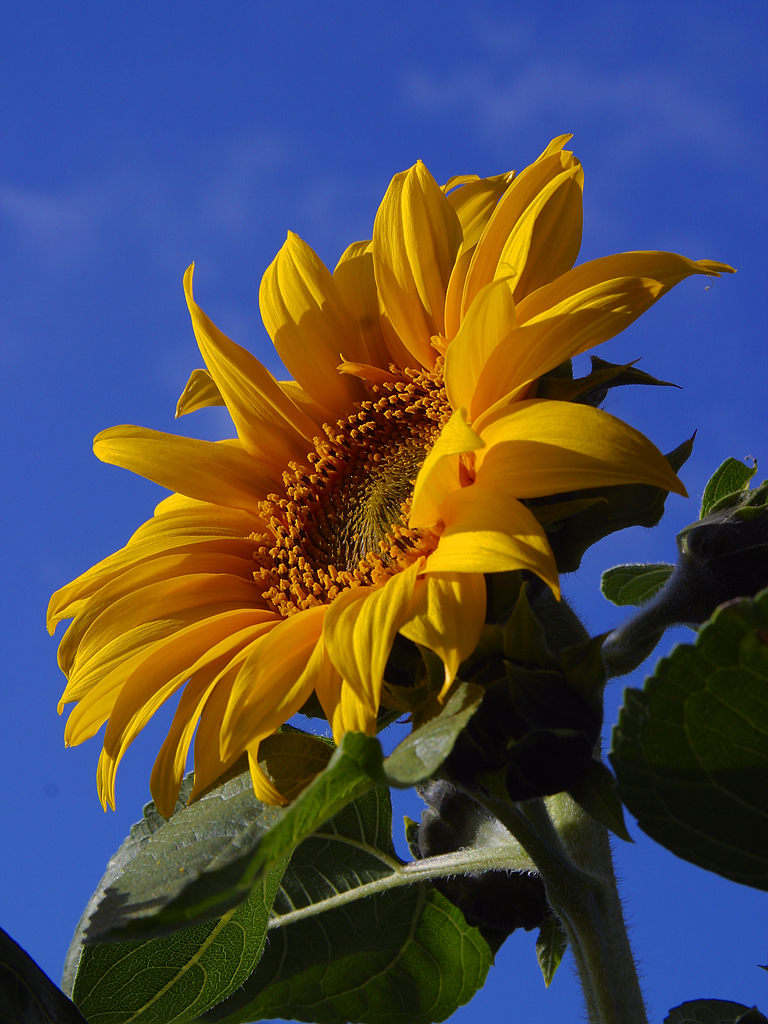 Common sunflowerHelianthus annuus
A tall annual plant grown for its large yellow flower heads and edible seeds
🇨🇦 Canada and 4 more · Wildflower
Common sunflowerHelianthus annuus
A tall annual plant grown for its large yellow flower heads and edible seeds
🇨🇦 Canada and 4 more · Wildflower
 PomegranatePunica granatum
A shrub with bright red flowers and a fruit full of edible seeds
🇮🇷 Iran and 9 more · Flowering shrub
PomegranatePunica granatum
A shrub with bright red flowers and a fruit full of edible seeds
🇮🇷 Iran and 9 more · Flowering shrub
 ApricotPrunus armeniaca
A small fruit tree with early white to pink blossoms and golden-orange fruit
🇨🇳 China and 6 more · Flowering tree
ApricotPrunus armeniaca
A small fruit tree with early white to pink blossoms and golden-orange fruit
🇨🇳 China and 6 more · Flowering tree