
Nettle family
Urticaceae, family Urticaceae
A worldwide family of stinging wildflowers, shrubs, and herbs that fling their pollen
The nettle family is a worldwide group of flowering herbs, shrubs, and trees known for wind pollination and stinging foliage. Found across the globe, especially in tropical Asia, these plants are gathered and grown for food, herbal medicine, and rope fiber.
- Encompasses about 2,625 plant species across 53 genera, including herbs, shrubs, and rare trees.
- Stamens snap open explosively when dry, catapulting clouds of pollen into the wind.
- Stinging hairs inject an irritating blend of histamines and acetylcholines upon touch.
- Used globally for culinary greens, rope-making fiber, and traditional remedies.
What does Nettle family look like?
Members of the nettle family range from green herbs and shrubs to hemi-epiphytes and rare trees. Most bear simple leaves with stipules, and many feature cystoliths or silicone deposits. Stinging hairs often defend the foliage against plant-eating mammals and invertebrates. When touched, the sharp tips break off and embed in skin, injecting an irritating fluid containing histamines and acetylcholines. Flowers are typically unisexual with a perianth of four to five parts. Male flowers release pollen explosively when drying stamens snap straight in warm temperatures, sending pollen grains into the air. The resulting fruits are dry achenes.
Where does Nettle family come from?
Plants in this family grow wild across the world, with the greatest concentration found in tropical ecosystems, especially tropical Asia. The family has a long fossil record based largely on preserved fruits and leaves. Twelve species known from fossil achenes date to the Late Cretaceous in Central Europe, representing modern genera like Boehmeria, Debregeasia, and Pouzolzia alongside the extinct Urticoidea. Fossil leaves resembling the tribe Cecropieae have been found in Maastrichtian deposits in Colombia. Furthermore, Eocene fossils from the Allenby Formation in the Okanagan Highlands preserve distinct stinging hairs along their stems and veins.
When and how Nettle family blooms
Pollination occurs through the wind after stamens dry in the heat and trigger an explosive release of pollen. Beyond stinging trichomes, some species produce latex within their bark to deter herbivores, or form mutual relationships with ants, as seen in many Cecropia species. When grown or kept in collections, these plants are vulnerable to several parasitic pathogens. Known ailments include bacterial leaf spot from Xanthomonas campestris, anthracnose caused by Colletotrichum capsici, water mold infections such as Phytophthora blight, and fungal diseases including Myrothecium leaf spot and southern blight.


How Nettle family is used
People gather and cultivate various nettle species for food, tools, and herbal treatments. In southern African countries, Pouzolzia mixta, known as soap nettle, is used as a culinary herb, twisted into rope, and taken as traditional medicine. In eastern Asia, Urtica angustifolia plays an important role in traditional Chinese medicine. In Brazil, healers use species such as Cecropia obtusa, Laportea aestuans, and Urera baccifera to address inflammation and diabetes. Common stinging nettle, Urtica dioica, has also been applied traditionally for conditions including gout, arthritis, anemia, and eczema.
Kinds of Nettle family
Botanists classify approximately 2,625 species in this family across 53 genera. The largest genera include Pilea with up to 715 species, Elatostema with around 300, Urtica with 80, and Cecropia with 75. Notable cultivated and foraged plants in the group include ramie, māmaki, and ajlai. While some relatives like Pellionia and Parietaria grow as herbs or low shrubs, others develop into hemi-epiphytes, and genera such as Cecropia and Dendrocnide can grow as trees.
What Nettle family means
The nettle family is well known for its painful stinging defenses, evolved to deter browsing animals. While most stings cause short-lived skin irritation without serious danger to health, rare species can be far more hazardous. Stings from the tree species Dendrocnide cordata and Urtica ferox have been documented to cause human fatalities. Across tropical forests, myrmecophyte species in the genus Cecropia demonstrate unique ecological partnerships by housing and living alongside ant colonies.
Questions people ask about Nettle family
Where is the nettle family found?
Species of the nettle family occur wild worldwide. Most species grow in tropical ecosystems, particularly across tropical Asia, and fossils from the family have been discovered in Central Europe, Colombia, and the Okanagan Highlands.
How do nettle plants sting?
Leaves and stems often carry specialized stinging hairs. When contacted, the sharp tips snap and embed in skin, injecting an irritating liquid containing compounds such as histamines and acetylcholines that trigger a painful reaction.
How are nettle flowers pollinated?
Nettle plants are wind-pollinated. The stamens dry out in warm conditions, causing their filaments to suddenly straighten and release pollen in an explosive motion directly into the breeze.
What are some traditional uses of nettles?
Communities harvest nettles for food, cordage, and medicine. Soap nettle is cooked as an herb and made into rope, while species like Urtica dioica and Brazilian Cecropia obtusa have traditional uses for swelling, diabetes, arthritis, and eczema.
Good reading and sources
- Encyclopaedia BritannicaArticle
- Plants of the World OnlineRoyal Botanic Gardens, Kew, Plant database
- Where it has been recordedGBIF, Plant database
- Sightings and photos by naturalistsiNaturalist, Plant database
The facts on this page come from the Wikipedia article "Urticaceae", written by its contributors and used under the CC BY-SA 4.0 licence, and from its Wikidata record (CC0). EveryPhool rewrote the text in its own words, with AI assistance, and compares every page with the article to make sure no passage is copied. It may be reused under the same CC BY-SA 4.0 licence with a link back.
It may contain mistakes. It is not medical or foraging advice: many flowers are poisonous, and traditional uses are reported, not recommended. If something is wrong, tell us. Last refreshed 2026-10-04.
Others in the family Urticaceae
The whole family NettleUrtica
A stinging herb used for fiber, food and folklore
🇩🇪 Germany and 4 more · Wildflower
NettleUrtica
A stinging herb used for fiber, food and folklore
🇩🇪 Germany and 4 more · Wildflower
 Common NettleUrtica dioica
A wild perennial herb with tiny green flower clusters and stinging, nutrient-rich leaves
🇨🇳 China and 7 more · Wildflower
Common NettleUrtica dioica
A wild perennial herb with tiny green flower clusters and stinging, nutrient-rich leaves
🇨🇳 China and 7 more · Wildflower
 Annual nettleUrtica urens
A compact annual nettle known for its sharp sting and rounded leaves
🇮🇳 India and 3 more · Wildflower
Annual nettleUrtica urens
A compact annual nettle known for its sharp sting and rounded leaves
🇮🇳 India and 3 more · Wildflower
More from Brazil
All the flowers of Brazil CactusCactaceae
Succulent plants with spines, native to the Americas
🇲🇽 Mexico and 7 more · Wildflower
CactusCactaceae
Succulent plants with spines, native to the Americas
🇲🇽 Mexico and 7 more · Wildflower
 Eucalyptus
The tall, aromatic trees and shrubs known as gum trees or eucalypts
🇦🇺 Australia and 7 more · Flowering tree
Eucalyptus
The tall, aromatic trees and shrubs known as gum trees or eucalypts
🇦🇺 Australia and 7 more · Flowering tree
 Asteraceae
The large plant family behind daisies, sunflowers and asters
🇺🇸 United States and 2 more · Wildflower
Asteraceae
The large plant family behind daisies, sunflowers and asters
🇺🇸 United States and 2 more · Wildflower
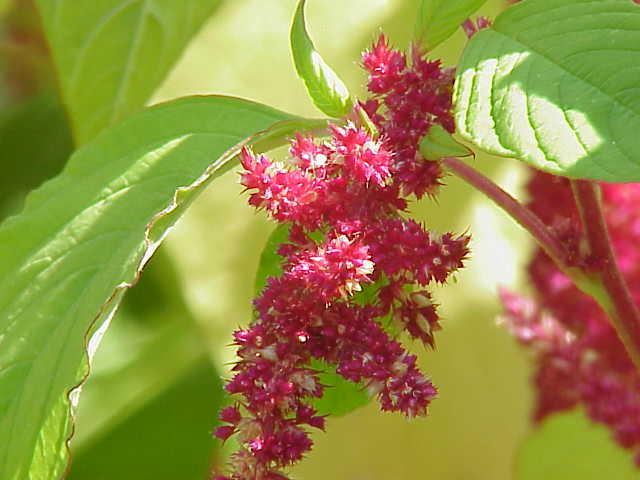 AmaranthAmaranthus
A tall, colourful plant grown for its flowers, leaves and edible seeds
🇲🇽 Mexico and 7 more · Wildflower
AmaranthAmaranthus
A tall, colourful plant grown for its flowers, leaves and edible seeds
🇲🇽 Mexico and 7 more · Wildflower