
Zephyranthes
Bulbous plants with crocus-like flowers that bloom after rain
Zephyranthes is a group of bulbous plants from the Americas, now including about 200 species and many hybrids. Their funnel-shaped flowers, in white, yellow, or pink, often appear in bursts after rain and are widely grown as ornamentals in gardens and pots.
- About 200 species and many hybrids are recognized in the genus Zephyranthes.
- Flowers appear in white, yellow, or pink and often bloom after rainstorms.
- All parts of the plant, especially bulbs and leaves, are toxic.
- Zephyranthes is native to tropical and subtropical America.
- Some species are used in traditional medicine in Peru, China, and Africa.
What does Zephyranthes look like?
Zephyranthes are perennial bulbs with slender, grass-like leaves that can be bright green or glaucous, sometimes showing bronze tints in strong light. Their flowers grow singly on upright stalks, shaped like small crocuses or open funnels, and come in shades of white, yellow (from lemon to sulfur), or pink. Some species have a sweet scent, and the flowers usually last only a day or two, but new blooms can appear in quick succession, especially after rain.
Where does Zephyranthes come from?
Native to tropical and subtropical regions of the Americas, Zephyranthes has adapted to a range of habitats, from seasonally wet soils to dry areas. The genus was first described in 1821 by William Herbert. In 2019, its definition was broadened to include the former genera Habranthus and Sprekelia, bringing the total to about 200 species. Zephyranthes has since been introduced to Africa, Asia, and Australia, where it is grown as an ornamental.
When and how Zephyranthes blooms
Zephyranthes bloom in spring, summer, or autumn, often a few days after rainstorms. In cultivation, they are usually sold already potted, which helps maintain their growth cycle. Most species can be propagated by dividing bulbs or by seed, though some are slow to multiply. They flower freely in gardens or greenhouses, sometimes in dramatic synchronized displays called 'blitzes.'


How Zephyranthes is used
These plants are popular in gardens and pots for their sudden, colorful blooms after rain. In traditional medicine, different species have been used in Peru, China, and Africa for ailments ranging from headaches and coughs to tumors and diabetes. However, all parts of the plant, especially bulbs and leaves, are considered toxic due to alkaloids.
Kinds of Zephyranthes
There are about 200 species, with many hybrids and cultivars. The genus now includes former Habranthus and Sprekelia species. Some, like Z. primulina, bloom for long periods, while others, such as Z. morrisclintae, flower only in spring. Leaf and flower forms vary widely, from narrow grassy leaves to broad, almost amaryllis-like foliage.
What Zephyranthes means
The name Zephyranthes comes from the Greek god of the west wind, Zephyrus, and 'anthos' meaning flower, reflecting their habit of blooming after rain. Although often called lilies, they are not true lilies but belong to the Amaryllis family. Their sudden mass blooming gives them ornamental value in gardens, and they have inspired breeders to create many hybrids.
Questions people ask about Zephyranthes
Where does Zephyranthes come from?
Zephyranthes is native to tropical and subtropical regions of the Americas, but it has been introduced to other continents including Africa, Asia, and Australia.
What do Zephyranthes flowers look like?
The flowers are funnel-shaped, with six petals, and come in shades of white, yellow, or pink. They grow singly on upright stalks and often resemble small crocuses.
Why are they called rain lilies?
They are called rain lilies because their flowers often appear a few days after rainstorms, sometimes in dramatic mass blooms.
Are Zephyranthes plants poisonous?
Yes, many parts of Zephyranthes, especially the bulbs and leaves, are considered toxic due to alkaloids.
How are Zephyranthes used?
They are mainly grown as ornamental plants in gardens and pots. Some species have been used in traditional medicine for various ailments, but the plant is toxic and should not be consumed.
Good reading and sources
- USDA Plants DatabaseUS Department of Agriculture, Article
- Plants of the World OnlineRoyal Botanic Gardens, Kew, Plant database
- Where it has been recordedGBIF, Plant database
- Sightings and photos by naturalistsiNaturalist, Plant database
The facts on this page come from the Wikipedia article "Zephyranthes", written by its contributors and used under the CC BY-SA 4.0 licence, and from its Wikidata record (CC0). Phool rewrote the text in its own words, with AI assistance, and compares every page with the article to make sure no passage is copied. It may be reused under the same CC BY-SA 4.0 licence with a link back.
It may contain mistakes. It is not medical or foraging advice: many flowers are poisonous, and traditional uses are reported, not recommended. If something is wrong, tell us. Last refreshed 2026-10-03.
Others in the family Amaryllidaceae
The whole family Narcissus
Spring-flowering bulbs with trumpet-shaped blooms in white, yellow, and orange
🇬🇧 United Kingdom and 7 more · Wildflower
Narcissus
Spring-flowering bulbs with trumpet-shaped blooms in white, yellow, and orange
🇬🇧 United Kingdom and 7 more · Wildflower
 Allium
The genus of onions, garlic, leeks, chives and their wild relatives
Allium · Wildflower
Allium
The genus of onions, garlic, leeks, chives and their wild relatives
Allium · Wildflower
 Wild GarlicAllium ursinum
A wild woodland plant with star-shaped white flowers and edible leaves
🇮🇪 Ireland · Wildflower
Wild GarlicAllium ursinum
A wild woodland plant with star-shaped white flowers and edible leaves
🇮🇪 Ireland · Wildflower
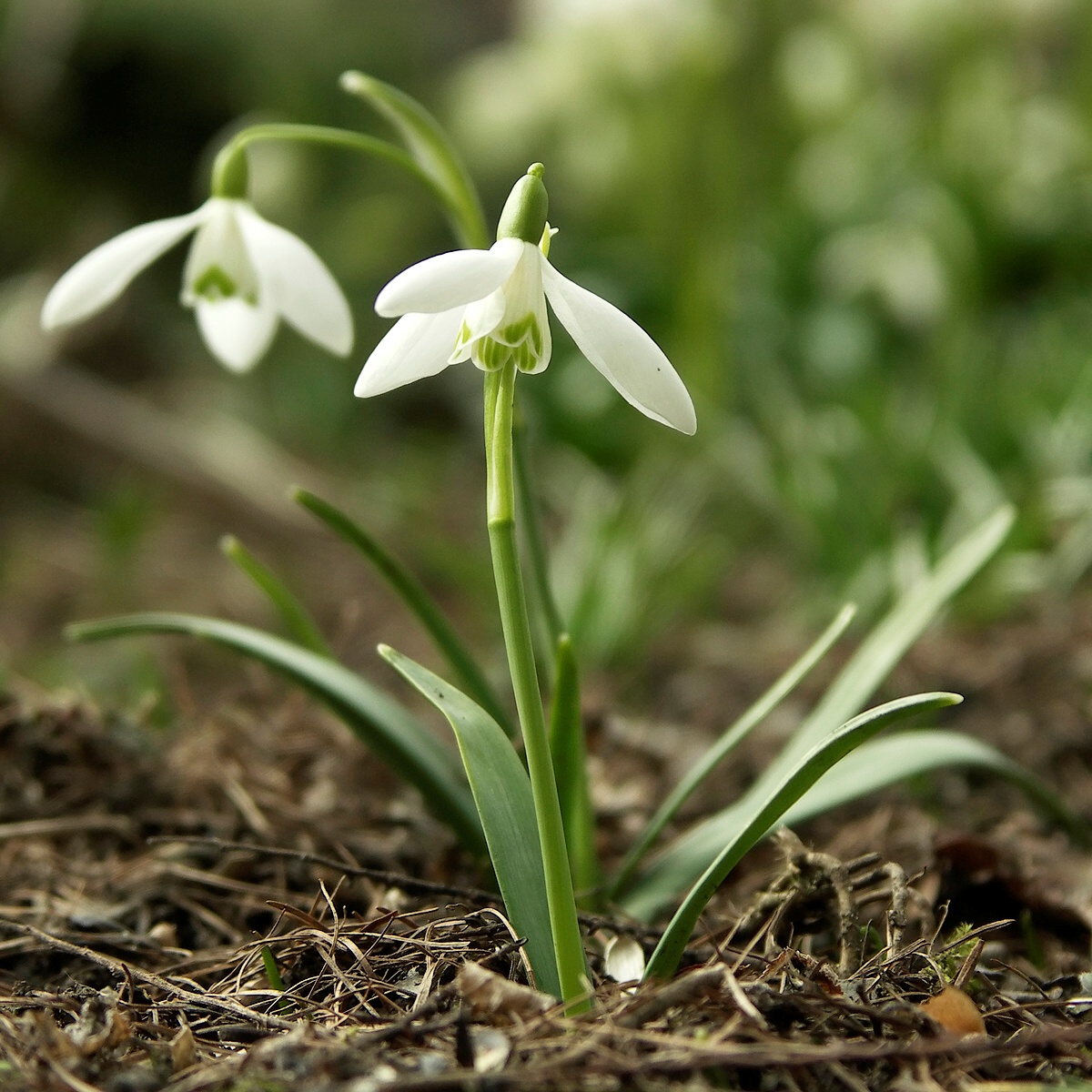 SnowdropGalanthus
White bell-shaped flowers that bloom at the end of winter
🇹🇷 Turkey and 7 more · Wildflower
SnowdropGalanthus
White bell-shaped flowers that bloom at the end of winter
🇹🇷 Turkey and 7 more · Wildflower