🇵🇭 The flowers of the Philippines
57 pages from the Philippines: its flowers, the things made with them and the places to see them, across 14 cities and regions.
The Philippines is home to over 9,250 native vascular plant species, with about a third found nowhere else. Its tropical rainforests once teemed with unique palms, orchids, and dipterocarps. The country is especially known for its endemic palms, diverse orchids, and the rare Rafflesia flower.
- About one-third of native plant species are endemic.
- Two-thirds of Philippine palm species grow nowhere else.
- Over 137 orchid genera and 998 species are recorded.
- Several Rafflesia species, including R. philippensis, occur here.
- Dipterocarp trees once dominated lowland rainforests.
The plant life of the Philippines
The Philippine archipelago, set within the Malesian biogeographical region, supports a remarkably rich plant life. Its tropical climate and geographic isolation have fostered high diversity and endemism among flowering plants. Rainforests, though much reduced, once covered broad lowlands and hills, dominated by large dipterocarp trees. Palms, orchids, gingers, begonias, and pandans are especially varied, with many species unique to the islands. The flora reflects both Southeast Asian connections and local evolution, making the country a center of plant diversity.
From region to region in the Philippines
Flora varies across the islands: lowland and hill rainforests, formerly widespread, featured dipterocarps and giant figs. Coastal areas support mangroves like Rhizophora and Sonneratia. Upland and mountain regions host unique palms, pitcher plants, and orchids. Geographic isolation by sea and deep trenches has helped shape distinct plant communities on different islands.
Flowers to know in the Philippines
The Philippines is famous for its endemic palms—about two-thirds of its 150 species are found only here. Orchids are another highlight, with over 137 genera and nearly a thousand species recorded. The giant Rafflesia, including Rafflesia philippensis, stands out for its size and rarity. Dipterocarps, once dominant in forests, and the Narra tree (Pterocarpus indicus), valued for timber, are also significant.
Threats and protection in the Philippines
Much of the original rainforest has been lost, threatening many native species. Conservation efforts focus on documenting and protecting the remaining unique flora. Ongoing environmental changes make the discovery of new species urgent for scientific records and future preservation.
The facts in this overview come from the Wikipedia article "Flora of the Philippines", written by its contributors and used under the CC BY-SA 4.0 licence. Phool rewrote the text in its own words, with AI assistance, and compares every page with the article to make sure no passage is copied. It may be reused under the same CC BY-SA 4.0 licence with a link back.
Flower experiences in the Philippines
Cities and regions of the Philippines
 Decoration
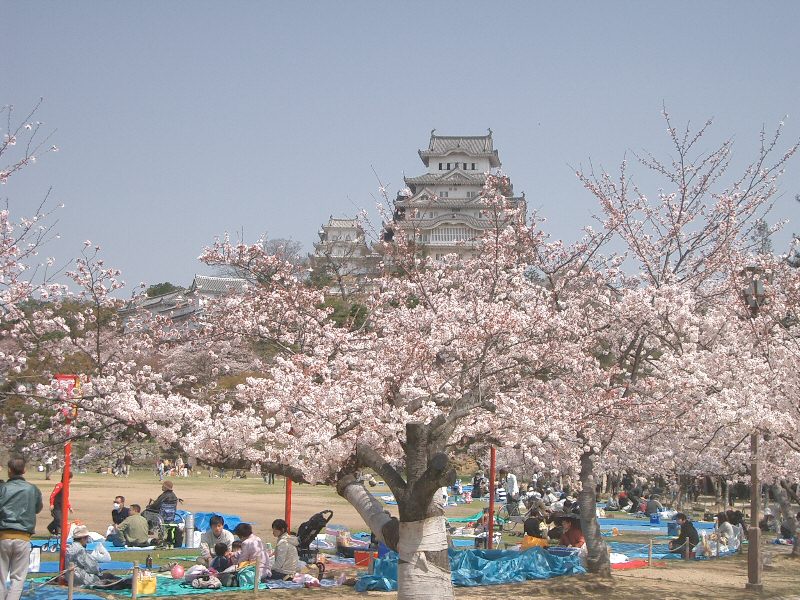
Hanami花見
The Japanese tradition of gathering to enjoy cherry blossoms in spring
🇯🇵 Japan and 7 more · Custom, Jan to May
Decoration
Hanami花見
The Japanese tradition of gathering to enjoy cherry blossoms in spring
🇯🇵 Japan and 7 more · Custom, Jan to May
 Decoration
May devotions to the Blessed Virgin Mary
Month-long Catholic customs honouring Mary with flowers, altars, and processions
🇮🇹 Italy and 7 more · Custom, May
Decoration
May devotions to the Blessed Virgin Mary
Month-long Catholic customs honouring Mary with flowers, altars, and processions
🇮🇹 Italy and 7 more · Custom, May
 Decoration
Shellcraft
Decorative art made by arranging and using seashells
🇦🇺 Australia and 1 more · Flower craft
Decoration
Shellcraft
Decorative art made by arranging and using seashells
🇦🇺 Australia and 1 more · Flower craft
 Decoration
Lei
A garland or necklace of flowers, leaves, or shells given to honor or celebrate
🇺🇸 United States and 3 more · Garland or wreath
Decoration
Lei
A garland or necklace of flowers, leaves, or shells given to honor or celebrate
🇺🇸 United States and 3 more · Garland or wreath
 Decoration
Panagbenga Festival
A month-long flower festival in Baguio, Philippines, each February
🇵🇭 Philippines · Parade or display, Feb to Mar
Decoration
Panagbenga Festival
A month-long flower festival in Baguio, Philippines, each February
🇵🇭 Philippines · Parade or display, Feb to Mar
 Decoration
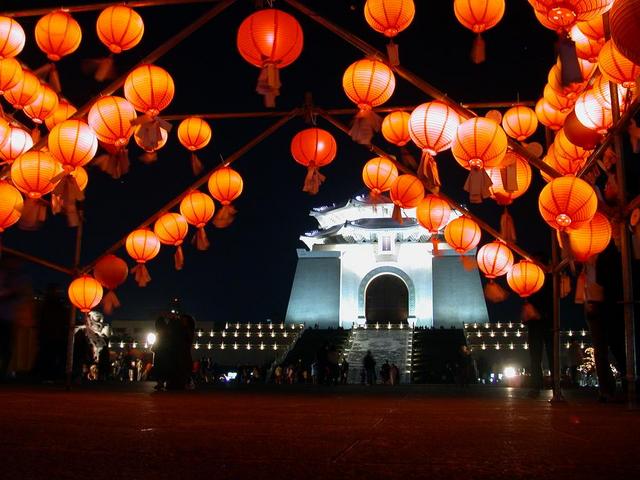
Paper lantern
Lanterns made of paper for festivals, light, and celebration across Asia and beyond
🇨🇳 China and 7 more · Parade or display
Decoration
Paper lantern
Lanterns made of paper for festivals, light, and celebration across Asia and beyond
🇨🇳 China and 7 more · Parade or display
 Decoration
Allotment garden
A rented plot for growing food and flowers, often with a small shed or hut
🇩🇪 Germany and 6 more · Garden style
Decoration
Allotment garden
A rented plot for growing food and flowers, often with a small shed or hut
🇩🇪 Germany and 6 more · Garden style
 Decoration
Chinese New Year春节
The Spring Festival marked by red decorations, family gatherings, and flower displays
🇨🇳 China and 7 more · Custom, Jan to Feb
Decoration
Chinese New Year春节
The Spring Festival marked by red decorations, family gatherings, and flower displays
🇨🇳 China and 7 more · Custom, Jan to Feb
 Decoration
All Saints' Day
A Christian day of remembrance marked with flowers and candles at graves
🇵🇱 Poland and 5 more · Offering or rite, November
Decoration
All Saints' Day
A Christian day of remembrance marked with flowers and candles at graves
🇵🇱 Poland and 5 more · Offering or rite, November
Photo credits on this page
The small pictures above come from Wikimedia Commons under free licences. Some are cropped to fit.
- Hanami: Unknown author, CC BY-SA 3.0, source
- May devotions to the Blessed Virgin Mary: Žemaitijos kelias, CC BY-SA 4.0, source
- Shellcraft: Verne Equinox, CC BY-SA 3.0, source
- Lei: possibly Fernando Le Bleux, Public domain, source
- Panagbenga Festival: lolay, CC BY 2.0, source
- Paper lantern: PhiloVivero, CC BY-SA 3.0, source
- Allotment garden: Cryonic07, CC BY-SA 3.0, source
- Chinese New Year: Myrabella, CC BY-SA 4.0, source
- All Saints' Day: Fra Angelico, Public domain, source
- Philippines: Vyacheslav Argenberg, CC BY 4.0, source