🇷🇺 The flowers of Russia
79 pages from Russia: its flowers, the things made with them and the places to see them, across 11 cities and regions.
Russia’s vast territory supports a huge variety of flowering plants, from tundra blooms to steppe wildflowers and the rich flora of the Caucasus. The country is especially known for the pink and white Caspian lotus in the Volga Delta and the diversity of wildflowers in the Caucasus Mountains. Its flora changes dramatically across regions, shaped by climate and landscape.
- The Volga Delta fills with pink and white lotus flowers each summer.
- The Caucasus Mountains have about 6,000 plant species.
- Tundra flowers bloom briefly after snowmelt, then vanish under snow.
- Zapovedniks are strict reserves protecting rare plants and habitats.
The plant life of Russia
Russia’s plant life is shaped by its immense size and range of climates, stretching from Arctic tundra in the north to temperate forests and grasslands in the south. The taiga, or boreal forest, dominates much of the country and is one of the largest forests on earth. Here, conifers like spruce, pine, and larch are common, with mosses, lichens, grasses, and berries on the forest floor. The steppe regions are mostly grasslands, while the Caucasus Mountains in the south host thousands of different plant species, including many wildflowers. The far east features monsoon forests draped in vines.
From region to region in Russia
In the far north, the tundra supports only low-growing flowers, mosses, and lichens, with few stunted shrubs. The taiga’s dense forests cover much of Siberia. The steppe, with its fertile black soils, is home to grasslands and riverbank trees. The Volga Delta in the south is famous for its summer lotus blooms. The Caucasus Mountains are especially rich in plant diversity. In the southeast, Ussuriland’s monsoon forests are distinct from the rest of the country.
Flowers to know in Russia
The Caspian lotus, with its pink and white flowers, is a striking feature of the Volga Delta in summer. The Caucasus region stands out for its 6,000 plant species, including many wildflowers not found elsewhere in Russia. Some trees, like the Siberian cedar pine and Korean cedar pine, are threatened and regionally important. The wild chestnut is notable in the Caucasus.
When it blooms in Russia
Tundra flowers and grasses emerge after the snow melts, but are buried for most of the year. The Caspian lotus blooms in the Volga Delta during the summer months.
Threats and protection in Russia
Several flowering plants and trees are threatened, including the Siberian cedar pine, Korean cedar pine, and wild chestnut. Russia protects its plant life through a network of strict nature reserves called zapovedniks, as well as national parks. The Red Data Book lists rare and endangered species, and conservation laws regulate forest use and protection.
The facts in this overview come from the Wikipedia article "Wildlife of Russia", written by its contributors and used under the CC BY-SA 4.0 licence. Phool rewrote the text in its own words, with AI assistance, and compares every page with the article to make sure no passage is copied. It may be reused under the same CC BY-SA 4.0 licence with a link back.
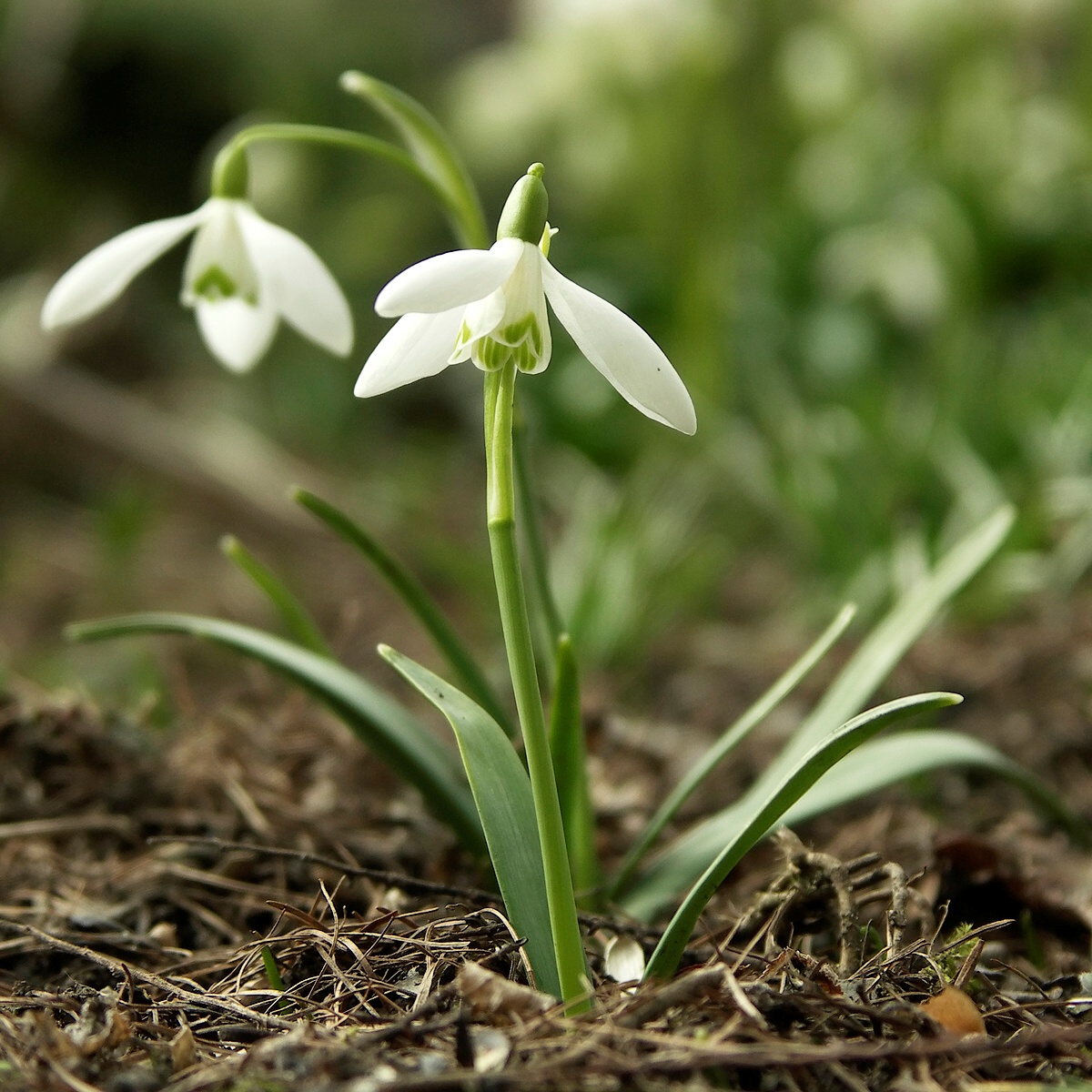
Photo credits on this page
The small pictures above come from Wikimedia Commons under free licences. Some are cropped to fit.
- Snowdrop: Unknown author, CC BY-SA 3.0, source
- Russia: The Official CTBTO Photostream, CC BY 2.0, source