
Chamomile
Matricaria chamomilla, family Asteraceae
A fragrant white and yellow annual flower used for tea and herbal remedies
Chamomile (Matricaria chamomilla) is a fragrant annual plant with white and yellow flowers, native to southern and eastern Europe but now found on all continents. Its blooms are harvested for tea and herbal uses, and the plant is known for its apple-like scent and blue essential oil.
- Produces white and yellow fragrant flowers in early to midsummer
- Used worldwide for herbal tea and essential oil
- Known for its apple-like scent and blue oil
- Can cause allergic reactions in some people
- Distinguished by its hollow, scale-free flower center
What does Chamomile look like?
Chamomile is a small, upright annual plant that grows 15 to 60 cm tall. It has smooth, branched stems and finely divided, feathery leaves. The flowers form in loose clusters, each with white petals (ray florets) around a yellow center (disc florets). The flower heads are hollow and have a sweet, apple-like fragrance. The plant produces small, yellowish-brown fruits called achenes.
Where does Chamomile come from?
Native to southern and eastern Europe, chamomile has spread widely and now grows on all continents. Its name comes from Greek, meaning 'earth-apple', a nod to its scent. The genus name Matricaria refers to its historical use in ancient herbalism, especially for women's health. Today, it is also found in parts of China, including Shanghai, Fujian, and Xinjiang.
When and how Chamomile blooms
Chamomile is sown as an annual, either in autumn or spring, and can self-seed to return each year. It thrives in well-balanced soils with good topsoil but is not fussy. The plant blooms in early to midsummer, with each flowering period lasting 50–65 days. Flowers are picked for tea and oil, and the plant may flower two to three times a year.


How Chamomile is used
The main use of chamomile is in making herbal tea from its dried flowers. It is also used in traditional herbal medicine. The essential oil, extracted mainly from fresh flower buds and stalks, is valued for its fragrance and blue color. Some people use chamomile for home decoration or in gardens. It can cause allergic reactions in sensitive individuals.
Kinds of Chamomile
Chamomile is sometimes confused with other species called chamomile, such as Anthemis arvensis (corn chamomile) and Chamaemelum nobile (Roman chamomile). German chamomile is distinguished by its hollow, scale-free flower center and is the main species used for tea and oil.
What Chamomile means
Chamomile has long been valued for its soothing scent and is associated with relaxation. Its apple-like fragrance inspired its Greek name. While widely used in herbal traditions, its effectiveness is not strongly supported by scientific evidence, and it can cause allergies, especially in those sensitive to ragweed.
Where Chamomile is used and seen

Traditions that use it
Questions people ask about Chamomile
Where does chamomile come from?
Chamomile (Matricaria chamomilla) is native to southern and eastern Europe but is now found on all continents, including parts of China such as Shanghai, Fujian, and Xinjiang.
What does chamomile look like?
Chamomile is a small annual plant with branched, smooth stems, feathery leaves, and clusters of white-petaled flowers with yellow centers. The flowers are fragrant and have a hollow, scale-free center.
What is chamomile used for?
Chamomile is mainly used to make herbal tea from its dried flowers. It is also used in traditional herbal medicine and for extracting essential oil. Some people grow it for home decoration or in gardens.
Does chamomile have any risks?
Chamomile can cause allergic reactions, especially in people sensitive to ragweed. It may also interact with some medications and should be used with caution in certain health conditions.
What does chamomile symbolize?
Chamomile is associated with relaxation and soothing qualities, inspired by its sweet, apple-like scent and long use in herbal traditions.
Good reading and sources
- USDA Plants DatabaseUS Department of Agriculture, Article
- Plants of the World OnlineRoyal Botanic Gardens, Kew, Plant database
- Where it has been recordedGBIF, Plant database
- Sightings and photos by naturalistsiNaturalist, Plant database
- Matricaria chamomilla on WikipediaEncyclopedia
- More photos on Wikimedia CommonsPhotos
- Wikidata recordOpen data
The facts on this page come from the Wikipedia article "Matricaria chamomilla", written by its contributors and used under the CC BY-SA 4.0 licence, and from its Wikidata record (CC0). Phool rewrote the text in its own words, with AI assistance, and compares every page with the article to make sure no passage is copied. It may be reused under the same CC BY-SA 4.0 licence with a link back.
It may contain mistakes. It is not medical or foraging advice: many flowers are poisonous, and traditional uses are reported, not recommended. If something is wrong, tell us. Last refreshed 2026-10-03.
Others in the family Asteraceae
The whole family Chrysanthemum菊花
Autumn-blooming flower with thousands of varieties, cherished in East Asia and beyond
🇨🇳 China and 6 more · Wildflower
Chrysanthemum菊花
Autumn-blooming flower with thousands of varieties, cherished in East Asia and beyond
🇨🇳 China and 6 more · Wildflower
 Asteraceae
The vast family of daisies, asters, and sunflowers with star-like flower heads
Asteraceae · Wildflower
Asteraceae
The vast family of daisies, asters, and sunflowers with star-like flower heads
Asteraceae · Wildflower
 DandelionTaraxacum
A yellow-flowered perennial found in fields, lawns, and gardens worldwide
Taraxacum · Wildflower
DandelionTaraxacum
A yellow-flowered perennial found in fields, lawns, and gardens worldwide
Taraxacum · Wildflower
 Dahlia
A bushy perennial with tuberous roots and bright, star-shaped blooms
🇲🇽 Mexico and 1 more · Garden flower
Dahlia
A bushy perennial with tuberous roots and bright, star-shaped blooms
🇲🇽 Mexico and 1 more · Garden flower
More from China
All the flowers of China PeachPrunus persica
A flowering fruit tree from China, grown for its pink blossoms and sweet fruit
🇨🇳 China and 7 more · Flowering tree
PeachPrunus persica
A flowering fruit tree from China, grown for its pink blossoms and sweet fruit
🇨🇳 China and 7 more · Flowering tree
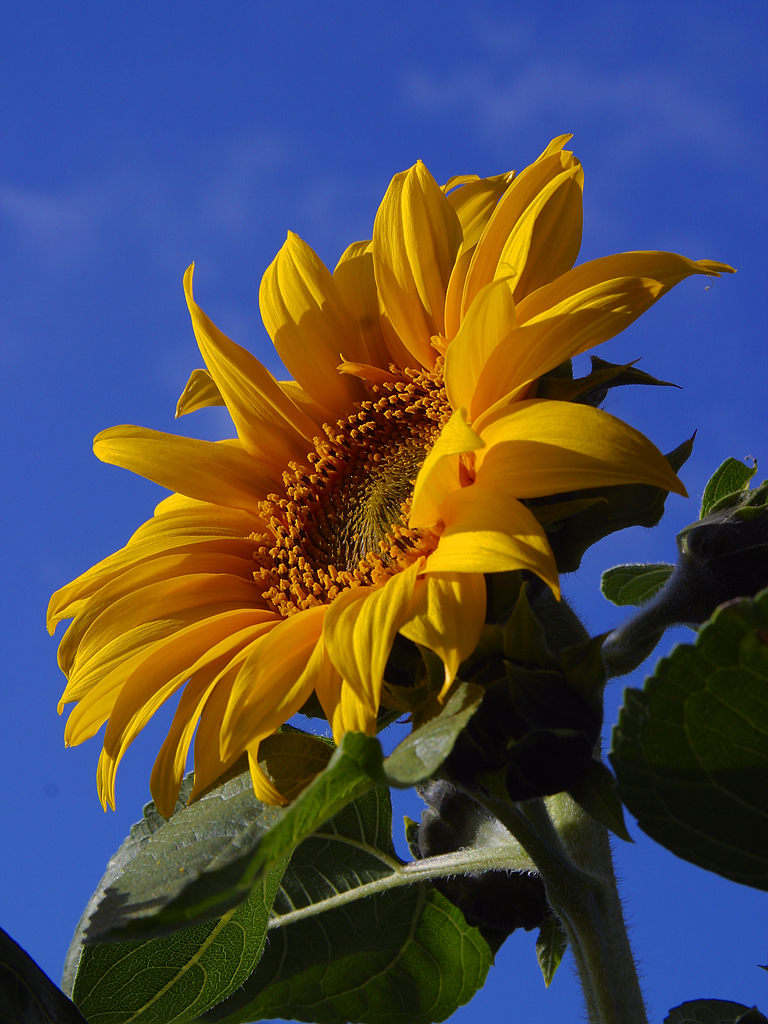 Common sunflowerHelianthus annuus
A tall annual plant grown for its large yellow flower heads and edible seeds
🇨🇦 Canada and 4 more · Wildflower
Common sunflowerHelianthus annuus
A tall annual plant grown for its large yellow flower heads and edible seeds
🇨🇦 Canada and 4 more · Wildflower
 PomegranatePunica granatum
A shrub with bright red flowers and a fruit full of edible seeds
🇮🇷 Iran and 9 more · Flowering shrub
PomegranatePunica granatum
A shrub with bright red flowers and a fruit full of edible seeds
🇮🇷 Iran and 9 more · Flowering shrub
 BirchBetula
Slender trees with papery bark found across the northern world
🇨🇳 China and 7 more · Wildflower
BirchBetula
Slender trees with papery bark found across the northern world
🇨🇳 China and 7 more · Wildflower