🇸🇩 The flowers of Sudan
16 pages from Sudan: its flowers, the things made with them and the places to see them, across 3 cities and regions.
Sudan's flowers and flowering plants reflect its range from desert to wetland. Acacia trees, especially the Sudan gum, shape much of the landscape and economy. The Sudd wetlands in the south support aquatic plants like papyrus and water hyacinth, while baobabs and winter thorn trees mark the savannah and woodlands.
- Sudan gum tree yields gum arabic, a major export.
- The Sudd wetlands are rich in papyrus and water hyacinth.
- Baobab and winter thorn trees mark the southern savannah.
- Vegetation ranges from desert scrub to lush wetlands.
- Protected parks help conserve Sudan's unique flora.
The plant life of Sudan
Sudan's plant life changes with its climate, from the dry north to the wetter south. Desert dominates the north, with sparse vegetation except near water. Central Sudan has more rain and supports acacia scrub and grasses. Further south, rainfall increases, giving rise to savannahs with grasses, thorny trees, and large baobabs. The Nile basin in the south is lush, with patches of woodland and extensive wetlands. Acacia species are widespread, especially the Sudan gum tree, which is important for gum arabic. The Sudd wetlands are notable for their aquatic plants and reeds.
From region to region in Sudan
In the north, vegetation is limited to areas near water. Central regions support acacia scrub and grasslands due to moderate rainfall. The southern part of Sudan, with its higher rainfall, features savannahs and woodlands. The Marrah Mountains have winter thorn trees along seasonal streams. The Sudd wetlands in the south are dominated by reeds, papyrus, and water plants. Each region's flora reflects its rainfall and terrain.
Flowers to know in Sudan
The Sudan gum tree (Acacia senegal) is central to the country's flora and economy, as it produces gum arabic. Baobab trees are prominent in the savannah. The winter thorn (Faidherbia albida) is common near seasonal watercourses, especially in the Marrah Mountains. The umbrella thorn acacia (Vachellia tortilis) thrives in arid zones. The Sudd wetlands are known for papyrus and water hyacinth.
When it blooms in Sudan
The wet season arrives between June and September in the north, and earlier and longer in the south. Flowering and lush growth follow the rains, especially in the savannah and wetland areas. The hottest period is at the end of the dry season.
How flowers are used in Sudan
Acacia senegal is valued for gum arabic, a key export. The winter thorn provides shade and fodder for cattle, and helps crops like sorghum grow beneath it during the rainy season. People use the land for grazing, and aquatic plants in the Sudd support local livelihoods.
Threats and protection in Sudan
Habitat loss, overhunting, and weak enforcement of wildlife laws threaten Sudan's biodiversity. Protected areas like Radom and Dinder National Parks help conserve plant and animal life. As of 2015, 123 species in Sudan were listed as threatened.
The facts in this overview come from the Wikipedia article "Wildlife of Sudan", written by its contributors and used under the CC BY-SA 4.0 licence. EveryPhool rewrote the text in its own words, with AI assistance, and compares every page with the article to make sure no passage is copied. It may be reused under the same CC BY-SA 4.0 licence with a link back.
Cities and regions of Sudan
 Crocosmia
Sword-leaved perennials with bright red and orange summer flowers
🇿🇦 South Africa and 4 more · Garden flower
Crocosmia
Sword-leaved perennials with bright red and orange summer flowers
🇿🇦 South Africa and 4 more · Garden flower
 Calotropis procera
A tall, toxic shrub with balloon-like fruit and silky seed fibers
🇦🇴 Angola and 7 more · Wildflower
Calotropis procera
A tall, toxic shrub with balloon-like fruit and silky seed fibers
🇦🇴 Angola and 7 more · Wildflower
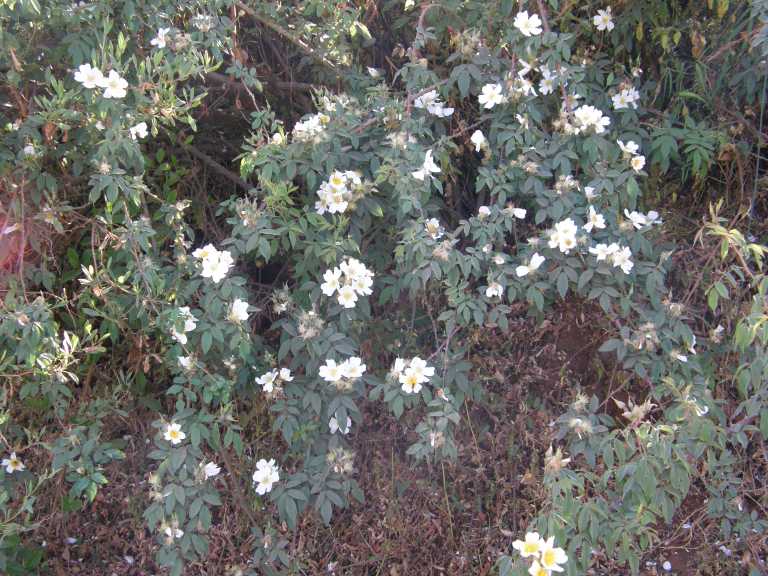 Rosa abyssinica
The only rose native to tropical Africa, with fragrant white to pale yellow flowers
🇪🇹 Ethiopia and 5 more · Wildflower
Rosa abyssinica
The only rose native to tropical Africa, with fragrant white to pale yellow flowers
🇪🇹 Ethiopia and 5 more · Wildflower
 Bush clockvineThunbergia erecta
A tropical African shrub with velvety blue or purple flowers and yellow centers
🇬🇦 Gabon and 8 more · Garden flower
Bush clockvineThunbergia erecta
A tropical African shrub with velvety blue or purple flowers and yellow centers
🇬🇦 Gabon and 8 more · Garden flower
 Desert roseAdenium obesum
A succulent shrub with bright pink to red flowers and a swollen base
🇲🇷 Mauritania and 7 more · Wildflower
Desert roseAdenium obesum
A succulent shrub with bright pink to red flowers and a swollen base
🇲🇷 Mauritania and 7 more · Wildflower
 Proteasuikerbos
Large-headed South African flowers called sugarbushes, with many wild species
🇿🇦 South Africa and 7 more · Wildflower
Proteasuikerbos
Large-headed South African flowers called sugarbushes, with many wild species
🇿🇦 South Africa and 7 more · Wildflower
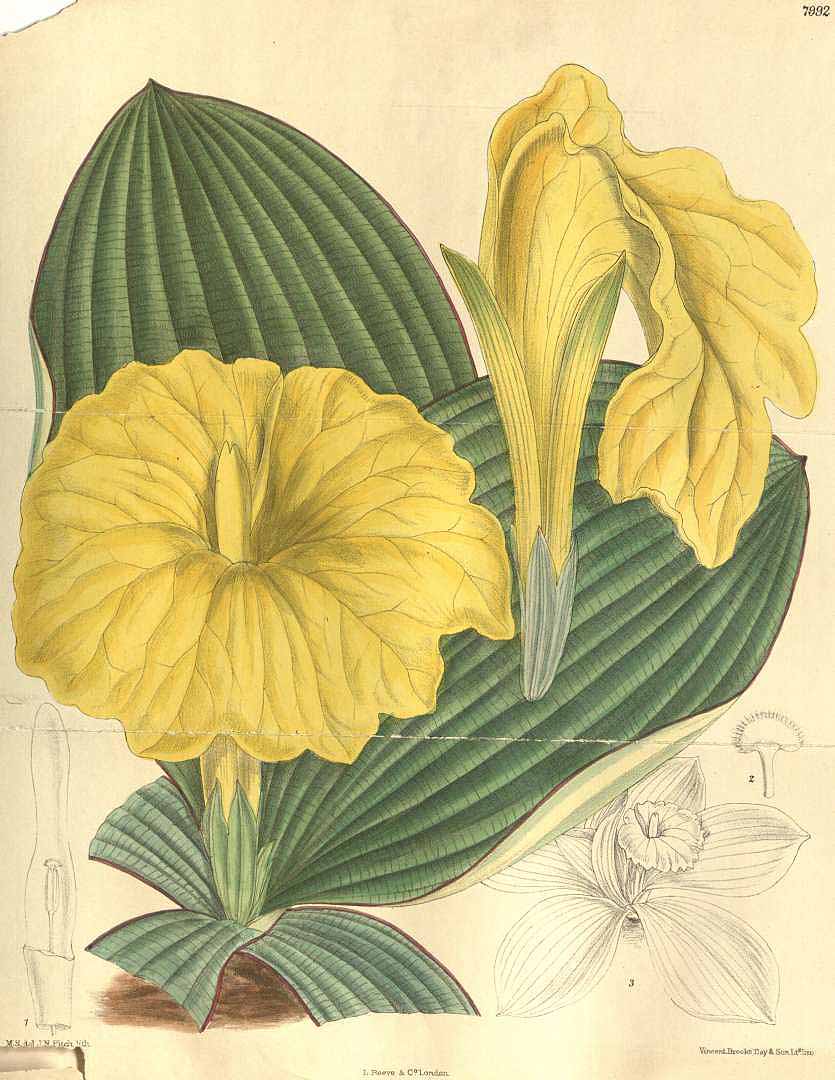 Costus spectabilis
A bright yellow ground-hugging flower from tropical Africa
🇳🇬 Nigeria and 7 more · Wildflower
Costus spectabilis
A bright yellow ground-hugging flower from tropical Africa
🇳🇬 Nigeria and 7 more · Wildflower
 Felicia
A daisy-like African genus with purple, blue or white ray flowers
🇿🇦 South Africa and 7 more · Flowering shrub
Felicia
A daisy-like African genus with purple, blue or white ray flowers
🇿🇦 South Africa and 7 more · Flowering shrub
 SesameSesamum indicum
An ancient tropical crop with tubular flowers and oil-rich seeds that thrive in dry heat
🇮🇳 India and 7 more · Herb or useful flower
SesameSesamum indicum
An ancient tropical crop with tubular flowers and oil-rich seeds that thrive in dry heat
🇮🇳 India and 7 more · Herb or useful flower
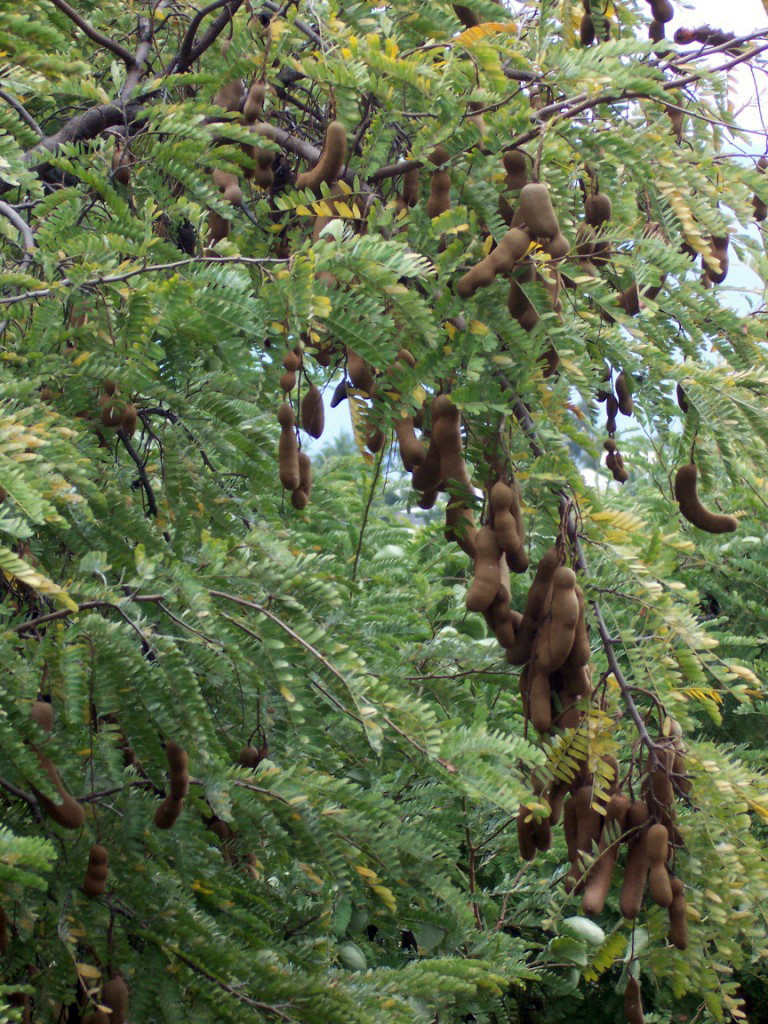 TamarindTamarindus indica
A tropical African shade tree bearing yellow blossoms with red and orange streaks
🇸🇩 Sudan and 8 more · Flowering tree
TamarindTamarindus indica
A tropical African shade tree bearing yellow blossoms with red and orange streaks
🇸🇩 Sudan and 8 more · Flowering tree
 OkraAbelmoschus esculentus
A tall mallow cousin with pale yellow blossoms and tender edible pods
🇪🇹 Ethiopia and 9 more · Tropical flower
OkraAbelmoschus esculentus
A tall mallow cousin with pale yellow blossoms and tender edible pods
🇪🇹 Ethiopia and 9 more · Tropical flower
 Aloe vera
A succulent with fleshy leaves and yellow summer flowers, grown worldwide for its gel
🇴🇲 Oman and 8 more · Cactus or succulent
Aloe vera
A succulent with fleshy leaves and yellow summer flowers, grown worldwide for its gel
🇴🇲 Oman and 8 more · Cactus or succulent
 BaobabAdansonia
An ancient, water-storing tree with large evening blossoms that open in minutes
🇲🇬 Madagascar and 7 more · Flowering tree
BaobabAdansonia
An ancient, water-storing tree with large evening blossoms that open in minutes
🇲🇬 Madagascar and 7 more · Flowering tree
 Papyrus sedgeCyperus papyrus
A towering wetland sedge known for feathery green crowns and ancient scrolls
🇪🇬 Egypt and 9 more · Water flower
Papyrus sedgeCyperus papyrus
A towering wetland sedge known for feathery green crowns and ancient scrolls
🇪🇬 Egypt and 9 more · Water flower
 Barbados nutJatropha curcas
A drought-tolerant shrub grown for biofuel and traditional medicine
🇧🇷 Brazil and 7 more · Flowering shrub
Barbados nutJatropha curcas
A drought-tolerant shrub grown for biofuel and traditional medicine
🇧🇷 Brazil and 7 more · Flowering shrub
 Corchorus
A tall herb grown for fiber and edible leaves across the tropics
🇪🇬 Egypt and 7 more · Herb or useful flower
Corchorus
A tall herb grown for fiber and edible leaves across the tropics
🇪🇬 Egypt and 7 more · Herb or useful flower
Photo credits on this page
The small pictures above come from Wikimedia Commons under free licences. Some are cropped to fit.
- Barbados nut: Frank Vincentz, CC BY-SA 3.0, source
- Rosa abyssinica: Malcolm Manners, CC BY 2.0, source
- Calotropis procera: Wilfredo Rodríguez, CC0, source
- Felicia: Stickpen, Public domain, source
- Crocosmia: Brocken Inaglory ( Brocken Inaglory ) at en.wikipedia, CC BY-SA 3.0, source
- Desert rose: ZSM, CC BY-SA 4.0, source
- Protea: Andrew massyn, Public domain, source
- Bush clockvine: Kurt Stüber [1], CC BY-SA 3.0, source
- Costus spectabilis: Matilda Smith (1854–1926), Public domain, source
- Sesame: Anna Frodesiak, CC0, source
- Tamarind: B.navez, CC BY 2.5, source
- Okra: Earth100, CC BY-SA 3.0, source
- Aloe vera: Forest & Kim Starr, CC BY 3.0, source
- Baobab: Muhammad Mahdi Karim, GFDL 1.2, source
- Papyrus sedge: Bernard DUPONT, CC BY-SA 2.0, source
- Corchorus: Takeaway, CC BY-SA 3.0, source
- Sudan: FUDOL YOUSUF AHMED HAMID, CC BY-SA 4.0, source