
Aloe vera
A succulent with fleshy leaves and yellow summer flowers, grown worldwide for its gel
Aloe vera is a stemless or short-stemmed succulent plant with thick, green to grey-green leaves edged in small white teeth. It produces tall spikes of pendulous yellow flowers in summer and is cultivated globally for its leaf gel, used in cosmetics and traditional skin remedies.
- Leaves contain both healing gel and toxic aloin latex
- Yellow tubular flowers bloom on tall summer spikes
- Native to the Arabian Peninsula but naturalized worldwide
- Oral ingestion may cause cramps, diarrhea, or liver issues
- Used in cosmetics for its moisturizing emollient effect
What does Aloe vera look like?
Aloe vera forms a rosette of thick, fleshy leaves that are green to grey-green, sometimes with white spots. The leaf edges have small, serrated white teeth. In summer, it sends up a tall flower spike bearing drooping yellow tubular blooms about 2–3 cm long.
Where does Aloe vera come from?
Though long cultivated worldwide, Aloe vera likely originated in the arid southeastern Arabian Peninsula, particularly the Hajar Mountains of Oman and the UAE. Its exact wild origins are unclear, and some scientists suggest it may be of hybrid origin due to the lack of clear natural populations.
When and how Aloe vera blooms
It grows as a perennial succulent, spreading by offsets called pups. It thrives in well-drained, sandy soil and sunny conditions, tolerating drought but not frost. In pots, it needs thorough drying between waterings and porous containers like terra cotta.


How Aloe vera is used
People use the clear gel from its leaves in lotions, cosmetics, and topical treatments for minor skin irritations. The yellow latex is a laxative but can be toxic if ingested. It also appears in some foods and drinks, though safety depends on processing and dose.
Kinds of Aloe vera
Several scientific names have been used for this plant, including Aloe barbadensis and Aloe indica. A spotted form is sometimes called Aloe vera var. chinensis and may be closely related to Aloe massawana. DNA studies link it to species from Yemen, Somalia, and Sudan.
What Aloe vera means
Aloe vera has been used in traditional medicine since at least 512 CE, appearing in early herbal texts. It is now grown commercially across tropical and temperate zones for the cosmetics industry. Despite its popularity, oral use carries health risks, and regulatory agencies warn of potential toxicity.
Where Aloe vera is used and seen
 Hanbury botanical gardensA historic Mediterranean botanical garden on the Italian Riviera
 Orto botanico di PalermoA historic botanical garden and research centre in Palermo, Sicily
 Jardin botanique d'ÈzeA hilltop botanical garden of cacti and succulents above the French Riviera
 Estufa FriaA greenhouse complex with three climate zones in Lisbon's Edward VII Park
Questions people ask about Aloe vera
Where does Aloe vera originally come from?
It is native to the southeastern Arabian Peninsula, especially northeastern Oman and the eastern UAE, though it is now grown and naturalized across many warm regions worldwide.
What is Aloe vera used for?
Its leaf gel is used in cosmetics and topical skin treatments. The latex acts as a laxative but is toxic if ingested in large amounts. It also appears in some foods and beverages.
Is Aloe vera safe to eat?
The gel in small amounts is likely safe, but the latex and whole-leaf extract can be toxic when ingested, causing abdominal pain, diarrhea, or even hepatitis with chronic use.
When does Aloe vera flower?
It produces yellow flowers in summer on a tall spike that can reach up to 90 cm high.
Why are there so many names for this plant?
It has been described under several scientific names over time, including Aloe barbadensis and Aloe indica, due to its wide distribution and historical use across many cultures.
Good reading and sources
- Encyclopaedia BritannicaArticle
- BBC - Gardening: Plant FinderBBC, Article
- Aloe veraRoyal Horticultural Society, Article
- Plants of the World OnlineRoyal Botanic Gardens, Kew, Plant database
- Where it has been recordedGBIF, Plant database
- Sightings and photos by naturalistsiNaturalist, Plant database
The facts on this page come from the Wikipedia article "Aloe vera", written by its contributors and used under the CC BY-SA 4.0 licence, and from its Wikidata record (CC0). EveryPhool rewrote the text in its own words, with AI assistance, and compares every page with the article to make sure no passage is copied. It may be reused under the same CC BY-SA 4.0 licence with a link back.
It may contain mistakes. It is not medical or foraging advice: many flowers are poisonous, and traditional uses are reported, not recommended. If something is wrong, tell us. Last refreshed 2026-10-04.
Others in the family Asphodelaceae
The whole family Kniphofia thomsonii
A spiky-flowered plant from Africa’s Great Lakes region
🇰🇪 Kenya and 5 more · Wildflower
Kniphofia thomsonii
A spiky-flowered plant from Africa’s Great Lakes region
🇰🇪 Kenya and 5 more · Wildflower
 Zimbabwe AloeAloe excelsa
A tall, single-stemmed aloe from southern Africa with a crown of curved leaves
🇿🇼 Zimbabwe and 4 more · Flowering tree
Zimbabwe AloeAloe excelsa
A tall, single-stemmed aloe from southern Africa with a crown of curved leaves
🇿🇼 Zimbabwe and 4 more · Flowering tree
 Spiral aloeAloe polyphylla
A rare mountain succulent with leaves arranged in a perfect spiral
🇱🇸 Lesotho and 1 more · Cactus or succulent
Spiral aloeAloe polyphylla
A rare mountain succulent with leaves arranged in a perfect spiral
🇱🇸 Lesotho and 1 more · Cactus or succulent
 Cape aloeAloe ferox
A tall, spiny aloe from southern Africa with orange-red flowers and medicinal uses
🇱🇸 Lesotho · Wildflower
Cape aloeAloe ferox
A tall, spiny aloe from southern Africa with orange-red flowers and medicinal uses
🇱🇸 Lesotho · Wildflower
More from Oman
All the flowers of Oman Woodfordia fruticosadhavdi
A flowering shrub found from Africa to South and Southeast Asia
🇲🇲 Myanmar and 7 more · Wildflower
Woodfordia fruticosadhavdi
A flowering shrub found from Africa to South and Southeast Asia
🇲🇲 Myanmar and 7 more · Wildflower
 African BaobabAdansonia digitata
A massive African savanna tree with sweet-scented night-blooming white flowers
🇸🇳 Senegal and 8 more · Flowering tree
African BaobabAdansonia digitata
A massive African savanna tree with sweet-scented night-blooming white flowers
🇸🇳 Senegal and 8 more · Flowering tree
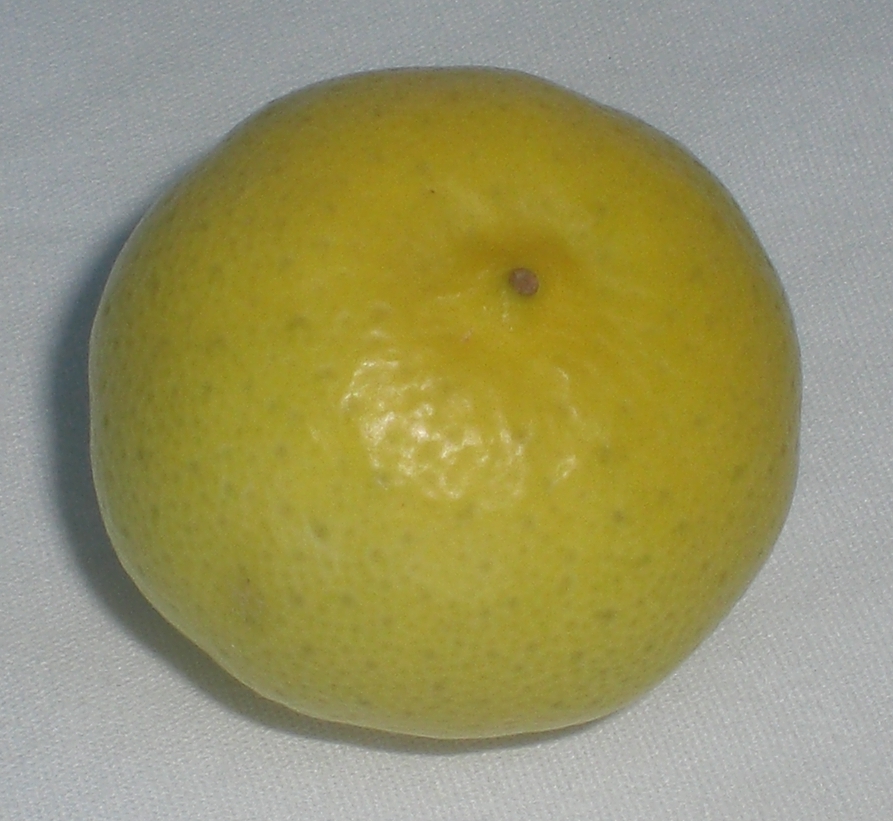 Key limeCitrus × aurantiifolia
The small, seedy, aromatic lime used in Key lime pie
🇲🇲 Myanmar and 7 more · Flowering shrub
Place
Oman Botanic Garden
A vast garden showing all of Oman’s native plants in natural habitats
Muscat, 🇴🇲 Oman · Botanical garden
Key limeCitrus × aurantiifolia
The small, seedy, aromatic lime used in Key lime pie
🇲🇲 Myanmar and 7 more · Flowering shrub
Place
Oman Botanic Garden
A vast garden showing all of Oman’s native plants in natural habitats
Muscat, 🇴🇲 Oman · Botanical garden