
Bonkei
In its own language: 盆景
Miniature Japanese landscapes built in trays from dry materials
Bonkei is a Japanese art form where artists create small-scale landscapes in shallow trays using dry materials like sand, gravel, papier-mâché, and cement. Unlike bonsai, bonkei does not use living plants, instead relying on sculpted landforms and miniature figures to evoke natural scenes for display and contemplation.
- Bonkei uses only dry, non-living materials to create landscapes.
- Miniature figures and model trees are added for detail.
- Scenes are built in shallow trays and sometimes include painted backdrops.
- The art form is distinct from bonsai and saikei, which use living plants.
- A famous 19th-century series depicted scenes from the Tōkaidō road.
What is Bonkei?
Bonkei are three-dimensional miniature landscapes arranged in wide, shallow trays. Artists use sculptable materials such as papier-mâché, clay, cement, and colored sand or gravel to form hills, rivers, and plains. The scenes often include tiny models of people, animals, buildings, and bridges. Sometimes, a removable painted backdrop adds to the landscape. No living plants are used; instead, model trees and other vegetation are crafted from non-living materials. The finished piece is meant to be viewed much like a painting or a bonsai, set at eye level in a quiet space.
Where does Bonkei come from?
Bonkei has its roots in Japan, where it developed as a way to represent natural scenery in miniature form for enjoyment indoors. Unlike bonsai, which features living trees, bonkei uses only dry, non-living materials. The art form became known for its detailed, lasting scenes that require little upkeep. In the 19th century, artist Kimura Tōsen created a series of bonkei inspired by famous travel routes, which were then illustrated by Utagawa Yoshishige. These works helped define bonkei as distinct from related arts like saikei and bonseki.
How Bonkei is made
To create a bonkei, an artist starts with a shallow tray and builds up the landscape using materials like papier-mâché, clay, or cement for hills and mountains. Colored sand or gravel forms water and flat areas. Real rocks may be added for texture. Miniature figures and models of trees, buildings, and animals are placed on the landscape to complete the scene. Some artists handcraft these props, while others use commercially made models. A painted backdrop can be set behind the tray for added depth.

When and where Bonkei is used
Bonkei are displayed in homes or galleries, much like paintings or bonsai. They are enjoyed for their beauty and as objects for quiet reflection. Because they use only dry materials, bonkei can last for many years without maintenance. The art form is practiced mainly in Japan, but its influence can be seen in other miniature landscape traditions across East Asia.
Forms of Bonkei
Bonkei can vary in size, shape, and subject. Some are inspired by famous locations or travel routes, such as the series based on the Tōkaidō road. Trays may be round, rectangular, or decorated with patterns. The choice of figures and scenery depends on the artist’s vision. While some bonkei focus on natural landscapes, others include scenes of daily life or well-known landmarks.
What Bonkei means
Bonkei is valued in Japanese culture for its ability to bring the outdoors inside and to represent the beauty of nature in a small, contemplative form. It is related to other Japanese arts like bonsai and bonseki, but stands apart for its use of only non-living materials. Bonkei has inspired artists and collectors, and historical works like those by Kimura Tōsen are still admired today.
Questions people ask about Bonkei
What is bonkei?
Bonkei is a Japanese art form where artists build miniature landscapes in trays using dry materials like sand, gravel, papier-mâché, and cement. It does not use living plants, instead relying on sculpted landforms and small models to create natural scenes.
How is bonkei different from bonsai and saikei?
Bonkei differs from bonsai and saikei because it does not include living plants. Bonsai uses living trees, and saikei combines living trees and plants. Bonkei relies entirely on non-living materials to create its landscapes.
Where did bonkei originate?
Bonkei originated in Japan, where it developed as a way to display miniature landscapes indoors. It became recognized as a separate art form in the 19th century, especially after artists like Kimura Tōsen created notable works.
What materials are used to make bonkei?
Artists use sculptable substances such as papier-mâché, clay, cement, colored sand, and gravel. Real rocks, miniature figures, and model trees are also added to complete the scene. No live plants are used.
What does bonkei represent in Japanese culture?
Bonkei is appreciated for capturing the beauty of nature in miniature form. It is seen as a way to bring natural scenery indoors for contemplation and enjoyment, and is related to other Japanese arts that focus on landscape and nature.
Good reading and sources
- Encyclopaedia BritannicaArticle
- Tōkaidō gojūsantsugi hachiyama zue v. 1Smithsonian, Article
- Tokaido Gojusan-eki Hachiyama Edyu, Vol I, Page 7 ·US Department of Agriculture, Article
The facts on this page come from the Wikipedia article "Bonkei", written by its contributors and used under the CC BY-SA 4.0 licence, and from its Wikidata record (CC0). Phool rewrote the text in its own words, with AI assistance, and compares every page with the article to make sure no passage is copied. It may be reused under the same CC BY-SA 4.0 licence with a link back.
It may contain mistakes. If something is wrong, tell us. Last refreshed 2026-10-03.
More of the same kind
 Decoration
Rangoliरंगोली
Indian floor art made with coloured powders, rice, or petals for festivals and daily welcome
🇮🇳 India and 1 more · Carpet or floor pattern
Decoration
Rangoliरंगोली
Indian floor art made with coloured powders, rice, or petals for festivals and daily welcome
🇮🇳 India and 1 more · Carpet or floor pattern
 Decoration
Ashtamangalaअष्टमङ्गल
A sacred set of eight auspicious symbols in Indian religions
🇮🇳 India and 1 more · Art or design
Decoration
Ashtamangalaअष्टमङ्गल
A sacred set of eight auspicious symbols in Indian religions
🇮🇳 India and 1 more · Art or design
 Decoration
Paisleyبته
A curved teardrop motif from Iran and India, now used worldwide on textiles
🇮🇷 Iran and 8 more · Art or design
Decoration
Paisleyبته
A curved teardrop motif from Iran and India, now used worldwide on textiles
🇮🇷 Iran and 8 more · Art or design
 Decoration
Nageirebana抛入花
A free-form ikebana style using tall vases and no flower holders
Arrangement
Decoration
Nageirebana抛入花
A free-form ikebana style using tall vases and no flower holders
Arrangement
More from Japan
All the flowers of Japan Decoration
Bonsai盆栽
The Japanese art of shaping miniature trees in shallow pots
🇯🇵 Japan and 7 more · Art or design
Decoration
Bonsai盆栽
The Japanese art of shaping miniature trees in shallow pots
🇯🇵 Japan and 7 more · Art or design
 Decoration
Tokonoma床の間
A Japanese alcove for displaying scrolls and flower arrangements
🇯🇵 Japan · Arrangement
Decoration
Tokonoma床の間
A Japanese alcove for displaying scrolls and flower arrangements
🇯🇵 Japan · Arrangement
 Decoration
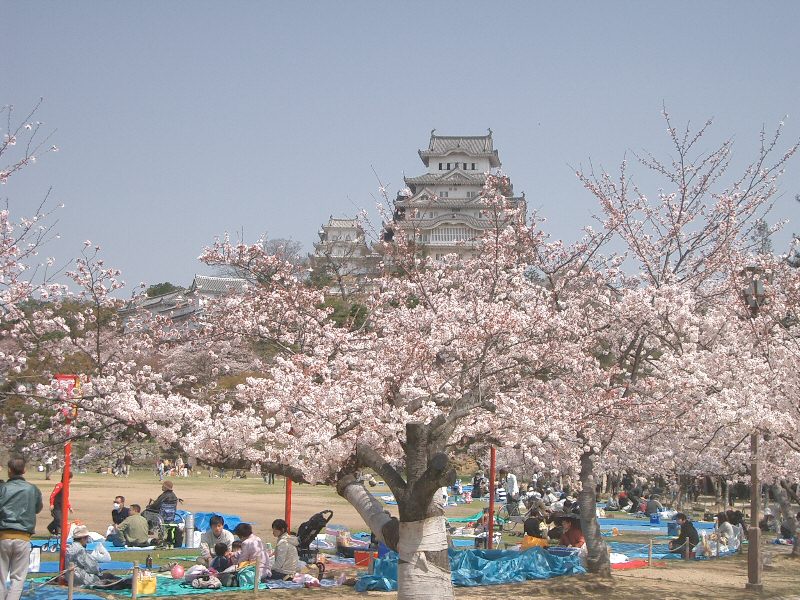
Hanami花見
The Japanese tradition of gathering to enjoy cherry blossoms in spring
🇯🇵 Japan and 7 more · Custom, Jan to May
Decoration
Hanami花見
The Japanese tradition of gathering to enjoy cherry blossoms in spring
🇯🇵 Japan and 7 more · Custom, Jan to May
 Decoration
Sōgetsu草月流
A modern school of Japanese ikebana open to all materials and styles
🇯🇵 Japan · Arrangement
Decoration
Sōgetsu草月流
A modern school of Japanese ikebana open to all materials and styles
🇯🇵 Japan · Arrangement