
Hinamatsuri
In its own language: 雛祭り
A Japanese custom of displaying ornamental dolls for girls’ well-being
Hinamatsuri is a Japanese annual observance held on 3 March to celebrate the health and happiness of young girls. Families display sets of traditional dolls dressed in Heian-period court attire on red-covered platforms, often arranged across multiple tiers with attendants, musicians, and miniature furnishings.
- Celebrated annually on 3 March in Japan
- Features dolls in Heian-period imperial court dress
- Includes tiered displays with up to fifteen figures and miniature objects
- Connected to ancient river-purification rituals called nagashi-bina
- Traditional foods include hishi mochi, clam soup, and sweet rice crackers
What is Hinamatsuri?
Hinamatsuri centers on the hinakazari: a decorative arrangement of ornamental dolls representing an imperial Heian-era wedding party. The core pair, male and female dolls, are seated before a gold screen on a red cloth. Elaborate versions include up to seven tiers showing court ladies, musicians, ministers, servants, and miniature household items like chests, braziers, and palanquins.
Where does Hinamatsuri come from?
The festival began as Momo no Sekku, the Peach Festival, tied to the third day of the third lunar month when peach blossoms appeared. After Japan adopted the Gregorian calendar, it settled on 3 March. The doll display tradition grew from purification rites where paper dolls absorbed impurities and were floated down rivers, a practice called nagashi-bina that continues in some areas.
How Hinamatsuri is made
Families set up their hinakazari a few days before 3 March. A basic display has the imperial couple on red fabric; larger ones use tiered stands with fifteen dolls and accessories. Dolls may be simple or heirloom-quality carvings. Tsurushi-bina, hanging cords with tiny figures made from scrap silk, are also crafted, featuring dolls, flowers, shells, and symbolic shapes like Mount Fuji.


When and where Hinamatsuri is used
The display honors young girls and is usually kept until they turn ten. It is taken down soon after 3 March, as folklore warns that delay may bring late marriage. Girls host gatherings with friends, eating seasonal foods like chirashizushi, hishi mochi, and clam soup. Some communities still perform nagashi-bina rituals using the old lunisolar calendar.
Forms of Hinamatsuri
Arrangements differ by region: in Kansai, the male doll sits right of the female; in Kantō, he is on the left. Kyoto’s middle court lady carries a Shimadai platform with auspicious symbols, while elsewhere she holds a Sanpō table. Older sets sometimes included seven or ten musicians, even female ones, unlike today’s standard five.
What Hinamatsuri means
Though not a national holiday, Hinamatsuri reflects Shinto ideas of purity and family. Historically linked to Empress Meishō’s reign in 1629, it became official in 1687. During the Meiji era, it reinforced loyalty to the imperial throne. Today it remains a cherished domestic ritual within Japanese communities worldwide, symbolizing hopes for girls’ futures.
Days and festivals
Questions people ask about Hinamatsuri
What is Hinamatsuri?
It is a Japanese custom observed on 3 March to celebrate the health and happiness of young girls through the display of ornamental dolls in traditional court attire.
Where does Hinamatsuri come from?
It originated in Japan as the Peach Festival, tied to the third day of the third lunar month, and evolved from purification rites involving floating paper dolls down rivers.
What do people do during Hinamatsuri?
Families display heirloom or new doll sets, host girls’ parties with special foods like chirashizushi and hishi mochi, and in some places perform nagashi-bina river ceremonies.
How long are the dolls displayed?
They are typically set up a few days before 3 March and taken down soon after, as folklore says leaving them out too long may delay a daughter’s marriage.
Is Hinamatsuri a public holiday?
No, it is an annual cultural observance in Japan but not a national public holiday.
Good reading and sources
The facts on this page come from the Wikipedia article "Hinamatsuri", written by its contributors and used under the CC BY-SA 4.0 licence, and from its Wikidata record (CC0). Phool rewrote the text in its own words, with AI assistance, and compares every page with the article to make sure no passage is copied. It may be reused under the same CC BY-SA 4.0 licence with a link back.
It may contain mistakes. If something is wrong, tell us. Last refreshed 2026-10-03.
More of the same kind
 Decoration
Pushpanjaliपुष्पाञ्जलि
A flower offering in Hindu worship and classical dance
Offering or rite
Decoration
Pushpanjaliपुष्पाञ्जलि
A flower offering in Hindu worship and classical dance
Offering or rite
 Decoration
Day of the DeadDía de (los) Muertos
Mexico’s festival of remembrance with altars, marigolds, and sugar skulls
🇲🇽 Mexico · Custom, November
Decoration
Day of the DeadDía de (los) Muertos
Mexico’s festival of remembrance with altars, marigolds, and sugar skulls
🇲🇽 Mexico · Custom, November
 Decoration
May devotions to the Blessed Virgin Mary
Month-long Catholic customs honouring Mary with flowers, altars, and processions
🇮🇹 Italy and 7 more · Custom, May
Decoration
May devotions to the Blessed Virgin Mary
Month-long Catholic customs honouring Mary with flowers, altars, and processions
🇮🇹 Italy and 7 more · Custom, May
 Decoration
Garland
A string or braid of flowers, leaves, or other materials for decoration or ceremony
🇮🇳 India and 3 more · Garland or wreath
Decoration
Garland
A string or braid of flowers, leaves, or other materials for decoration or ceremony
🇮🇳 India and 3 more · Garland or wreath
More from Japan
All the flowers of Japan Decoration
Bonsai盆栽
The Japanese art of shaping miniature trees in shallow pots
🇯🇵 Japan and 7 more · Art or design
Decoration
Bonsai盆栽
The Japanese art of shaping miniature trees in shallow pots
🇯🇵 Japan and 7 more · Art or design
 Decoration
Tokonoma床の間
A Japanese alcove for displaying scrolls and flower arrangements
🇯🇵 Japan · Arrangement
Decoration
Tokonoma床の間
A Japanese alcove for displaying scrolls and flower arrangements
🇯🇵 Japan · Arrangement
 Decoration
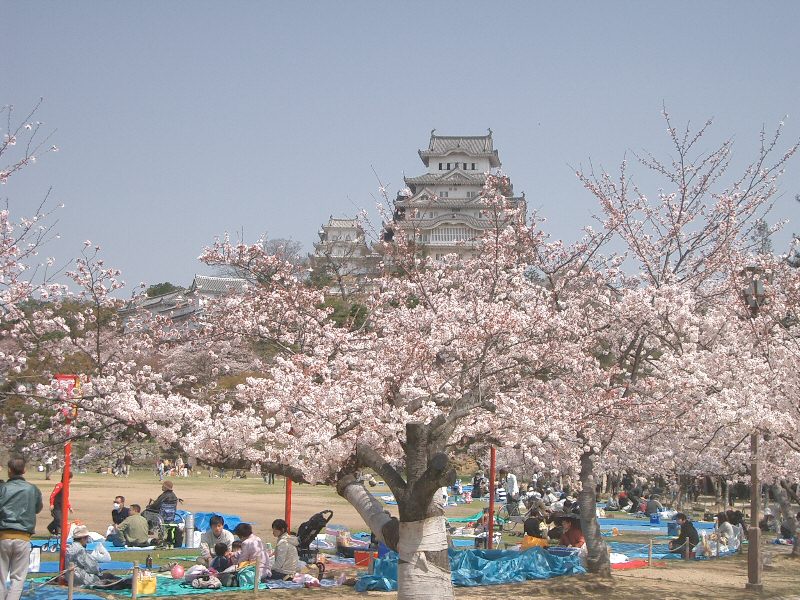
Hanami花見
The Japanese tradition of gathering to enjoy cherry blossoms in spring
🇯🇵 Japan and 7 more · Custom, Jan to May
Decoration
Hanami花見
The Japanese tradition of gathering to enjoy cherry blossoms in spring
🇯🇵 Japan and 7 more · Custom, Jan to May
 Decoration
Sōgetsu草月流
A modern school of Japanese ikebana open to all materials and styles
🇯🇵 Japan · Arrangement
Decoration
Sōgetsu草月流
A modern school of Japanese ikebana open to all materials and styles
🇯🇵 Japan · Arrangement