
International Women's Day
A global day on 8 March celebrating women’s rights and equality
International Women's Day is held every year on 8 March, focusing on women’s rights, equality, and issues such as violence and discrimination. It began in the early 1900s through labor and suffrage movements in Europe and North America, and is now marked worldwide with rallies, events, and campaigns.
- Held every year on 8 March
- Started from early labor and suffrage movements
- Marked by rallies, marches, and campaigns
- Recognized by the United Nations since 1977
- A public holiday in several countries
What is International Women's Day?
International Women's Day is an annual event observed on 8 March. It brings together people in many countries to recognize the achievements and struggles of women. The day is marked by marches, rallies, talks, and campaigns that highlight issues such as equal rights, workplace fairness, and ending violence against women. While flowers are sometimes given or used in celebrations, the day itself is about social action and public gatherings.
Where does International Women's Day come from?
The idea for a day to honor women’s rights came from early 20th-century labor and suffrage movements in the United States and Europe. The first known event was in New York City in 1909, organized by the Socialist Party of America. Inspired by these actions, activists in Europe, including Clara Zetkin, called for an annual day for women’s rights. The date 8 March became fixed after women in Petrograd led demonstrations in 1917 that helped spark the Russian Revolution, and it was later adopted in many countries.
How International Women's Day is made
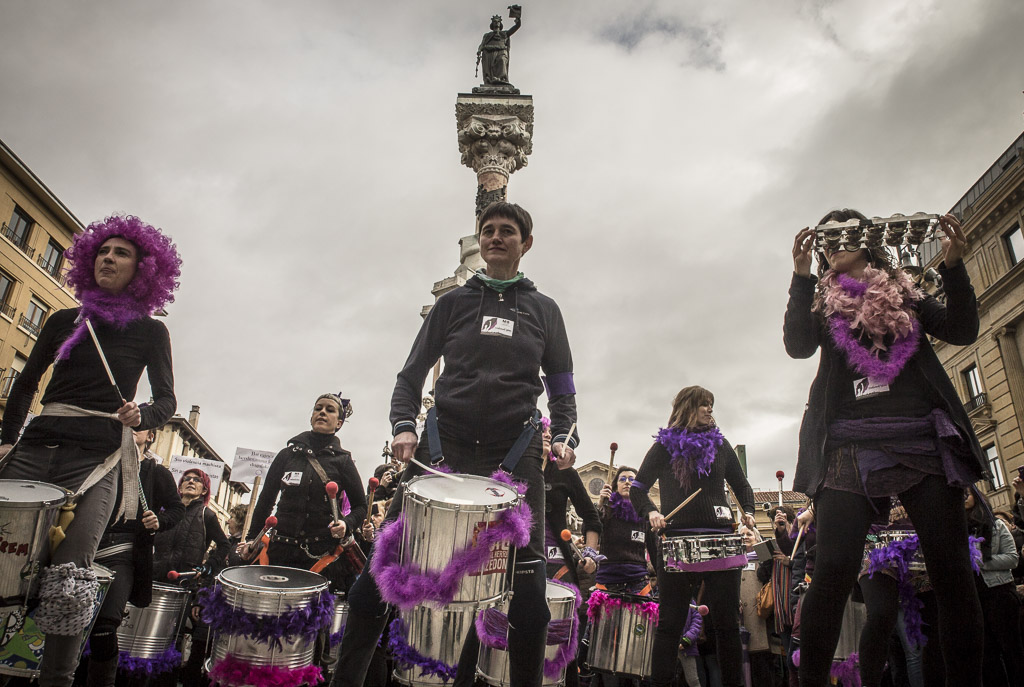
International Women's Day is observed through public events, marches, and campaigns. Organizers may plan rallies, panel discussions, or cultural performances. In some countries, it is a public holiday, and women may receive flowers or gifts. The United Nations and other organizations often set a theme each year to focus attention on particular issues affecting women.


When and where International Women's Day is used
People mark International Women's Day by gathering for demonstrations, educational events, and celebrations. It is a time to raise awareness about women’s rights, honor achievements, and call for action on issues like equal pay and safety. In some places, it is a day off work, and in others, it is marked by giving flowers or small gifts to women.
Forms of International Women's Day
International Women's Day is celebrated in different ways depending on the country. In some places, it is a major public holiday with official events, while in others, it is more grassroots, with marches or community gatherings. The United Nations began supporting the day in 1977, often linking it to a specific theme each year.
What International Women's Day means
International Women's Day is a symbol of the ongoing struggle for gender equality. It is recognized by governments, organizations, and activists around the world. The day is tied to the history of women’s suffrage and labor movements and is used to highlight both progress and ongoing challenges. It is also a public holiday in several countries.
Traditions that use it
Questions people ask about International Women's Day
When is International Women's Day celebrated?
International Women's Day takes place every year on 8 March. It is observed on this date worldwide, with events and activities focusing on women’s rights and achievements.
Where did International Women's Day begin?
The first known event was organized in New York City in 1909 by the Socialist Party of America. The idea spread to Europe, where activists called for an annual day to promote women’s rights.
What is the purpose of International Women's Day?
The day is meant to highlight women’s achievements and struggles, promote gender equality, and draw attention to issues such as discrimination, violence, and equal pay.
How is International Women's Day celebrated?
People mark the day with marches, rallies, talks, and campaigns. In some countries, it is a public holiday, and women may receive flowers or gifts. The United Nations often sets a yearly theme.
Is International Women's Day a public holiday everywhere?
It is a public holiday in some countries, but not all. In many places, it is marked by public gatherings and campaigns rather than a day off work.
Good reading and sources
- Encyclopaedia BritannicaArticle
- United States | United StatesAl Jazeera, Article
- Pakistan torn as women’s day march sparks wave of ‘masculine anxiety’The Guardian, Article
- The 'womanspreading' placard that caused fury in PakistanBBC, Article
- International Women's Day on WikipediaEncyclopedia
- More photos on Wikimedia CommonsPhotos
- Wikidata recordOpen data
The facts on this page come from the Wikipedia article "International Women's Day", written by its contributors and used under the CC BY-SA 4.0 licence, and from its Wikidata record (CC0). Phool rewrote the text in its own words, with AI assistance, and compares every page with the article to make sure no passage is copied. It may be reused under the same CC BY-SA 4.0 licence with a link back.
It may contain mistakes. If something is wrong, tell us. Last refreshed 2026-10-03.
More of the same kind
 Decoration
Bonsai盆栽
The Japanese art of shaping miniature trees in shallow pots
🇯🇵 Japan and 7 more · Art or design
Decoration
Bonsai盆栽
The Japanese art of shaping miniature trees in shallow pots
🇯🇵 Japan and 7 more · Art or design
 Decoration
Tokonoma床の間
A Japanese alcove for displaying scrolls and flower arrangements
🇯🇵 Japan · Arrangement
Decoration
Tokonoma床の間
A Japanese alcove for displaying scrolls and flower arrangements
🇯🇵 Japan · Arrangement
 Decoration
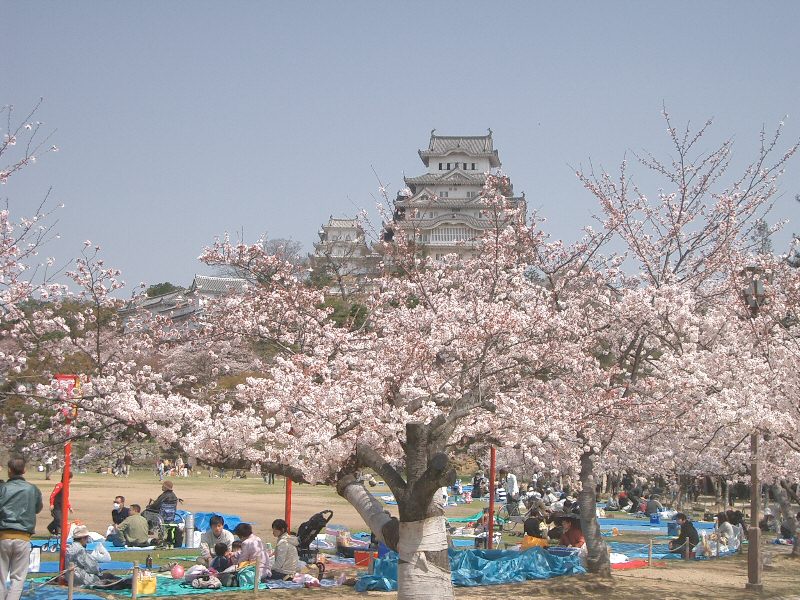
Hanami花見
The Japanese tradition of gathering to enjoy cherry blossoms in spring
🇯🇵 Japan and 7 more · Custom, Jan to May
Decoration
Hanami花見
The Japanese tradition of gathering to enjoy cherry blossoms in spring
🇯🇵 Japan and 7 more · Custom, Jan to May
 Decoration
Sōgetsu草月流
A modern school of Japanese ikebana open to all materials and styles
🇯🇵 Japan · Arrangement
Decoration
Sōgetsu草月流
A modern school of Japanese ikebana open to all materials and styles
🇯🇵 Japan · Arrangement
More from India
All the flowers of India Decoration
Varamalaवरमाला
A flower garland exchanged by bride and groom in Hindu weddings
🇮🇳 India · Garland or wreath
Decoration
Varamalaवरमाला
A flower garland exchanged by bride and groom in Hindu weddings
🇮🇳 India · Garland or wreath
 Decoration
Rangoliरंगोली
Indian floor art made with coloured powders, rice, or petals for festivals and daily welcome
🇮🇳 India and 1 more · Carpet or floor pattern
Decoration
Rangoliरंगोली
Indian floor art made with coloured powders, rice, or petals for festivals and daily welcome
🇮🇳 India and 1 more · Carpet or floor pattern
 Decoration
Onam
Kerala’s ten-day harvest festival with flower carpets, feasts and boat races
🇮🇳 India and 1 more · Custom, Aug to Sep
Decoration
Onam
Kerala’s ten-day harvest festival with flower carpets, feasts and boat races
🇮🇳 India and 1 more · Custom, Aug to Sep
 Decoration
Pohela Boishakhপহেলা বৈশাখ
Bengali New Year marked by processions, fairs, and flower-adorned gatherings
🇧🇩 Bangladesh and 1 more · Custom, April
Decoration
Pohela Boishakhপহেলা বৈশাখ
Bengali New Year marked by processions, fairs, and flower-adorned gatherings
🇧🇩 Bangladesh and 1 more · Custom, April